
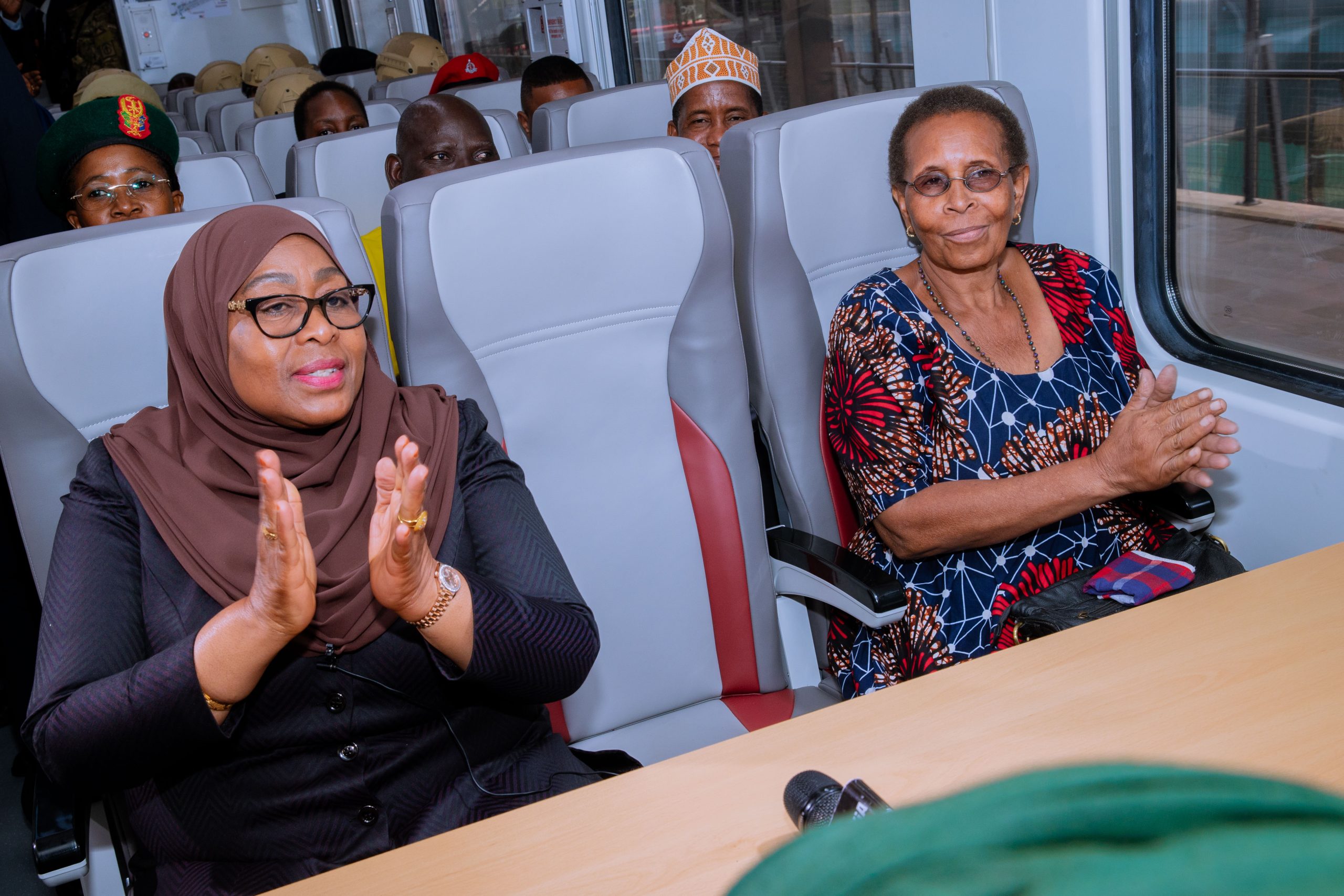

DAR ES SALAAM: TANZANIA’S Standard Gauge Railway (SGR) is quietly reshaping African tourism by turning the country into a regional gateway through cross border tourism in East and Central Africa.
Extend from the Indian Ocean toward the Great Lakes and Central Africa, new cross-border tourism corridors are emerging linking the coast, interior and Tanzania’s neighbouring countries through seamless, affordable travel.
By positioning the SGR in its transport infrastructure, Tanzania is quietly reshaping how tourism could move across East and Central Africa.
Departing form Dar es Salaam in the early morning light, it signals more than a domestic journey inland. It represents a strategic and modern rail that can raise Tanzania’s tourism by connecting travellers to neighbouring states in the Great Lakes.
Tourism reports indicate that Tanzania could contribute greatly to develop intra-African tourism through the SGR trains then complement the budget travels for tourists opting train or rail safaris than budget airlines.
The SGR had so far conceived to reduce freight costs and improve logistics and is now emerging as one of the continent’s most consequential transport projects for future cross-border tourism.
As the railway stretches westward toward the Great Lakes region and planned international connections advance, the foundations are being laid for entirely new tourism corridors spanning multiple countries.
Tanzania’s geographic position has always been an advantage has been an advantage to faster economic growth.
Bordering eight African states, Tanzania is currently serving eight African states through the Dar es Salaam port on the Indian Ocean with high expectations to use the SGR locomotives for transit cargo to those states through modernised and amplified cargo transit services.
The SGR line already links the Dar es Salaam Port with Morogoro and Dodoma, with construction progressing towards Tabora, Isaka and Mwanza.
Planned extensions toward Kigoma and crossborder links into Burundi and eastern Democratic Republic of Congo (DRC) would connect the Indian Ocean directly to the heart of Central Africa.
For tourism, this is transformative allows Tanzania to shift from being a terminal destination where journeys begin and end to a circulation hub through which regional travel flows.
The Tanzania SGR addresses three long-standing tourism constraints which are time, costs and confidence, according to travel and tourism analysts.
Dar es Salaam to Dodoma journeys have been reduced from about 10 hours by road to around three or less hours by rail. The cost for SGR travel offers more affordable mobility for regional travellers than shorthaul charter flights.
Modern stations, digital ticketing and predictable schedules lower perceived travel risk, giving confidence to domestic, regional and international tourists visiting the Eastern and Central African regions.
As a result, tourists are more willing to move beyond iconic sites and experiment with multi-stop, multi country itineraries, making it easier for emerging cross border tourism corridors that would speed up the intra-Africa tourism development, said the ATB report.
Emerging and future cross-border tourism corridors would be extended from the Indian Ocean coast to the Great Lakes that would create the Tourism Corridor through from Dar es Salaam to Dodoma, Mwanza on Lake Victoria then Uganda, Rwanda and Burundi with future extension of the SGR line to Eastern Congo for leisure tourists visiting Eastern and Central Africa regional states.
Through a combined visiting itinerary, tourists Tanzania could combine their itineraries to visit the coastal beaches and heritage sites on the Indian Ocean coast, Mikumi National Park, Central Tanzania’s attractive sites including cultural landscapes then Lake Victoria for cruising and water sports, fishing and birdlife watching.
Visitors could combine their visiting itineraries to include gorilla trekking and highland tourism in Uganda and Rwanda. The Central Tourism Corridor through SGR train would allow international visitors to arrive via Tanzania’s coast and travel inland by rail, combining beach, culture and lake tourism in a single journey.
Planned SGR extensions from Uvinza to Burundi are critical to unlocking this underdeveloped but culturally rich tourism zone.
Set to boost conference and business tourism, SGR would play a key role to facilitate travel for government and business executive travelling between the two cities, Dar es Salaam and Dodoma for conferences.
As Dodoma consolidates its role as Tanzania’s administrative capital, fast rail access makes it viable for regional meetings linked with leisure travel.
Tanzania’s wildlife, beaches and landscapes remain its core tourism draw. What the SGR adds is connectivity with purpose between coast and interior, between Tanzania and its neighbours and between tourism and trade.
If fully realised, the SGR will allow tourists to experience Africa not as isolated destinations stitched together by flights, but as a continuous, unfolding journey by rail.
In doing so, Tanzania is positioning itself not just as a place to visit, but as the gateway through which cross-border tourism in East and Central Africa can finally take shape.
African tourism has historically been shaped by air routes and road corridors. While aviation connects capitals efficiently often bypasses secondary cities, rural attractions and cultural landscapes, the African Tourism Board (ATB) had indicated through its latest report.
Based in Mbabane, Eswatini, the African Tourism Board has been working closely with African governments and key tourist stakeholders to market Africa as a single destination through cross border movements.
ATB chairman Mr Cuthbert Ncube said that the tourism board is currently campaigning for regional and intra-Africa tourism drive to attract both local and international tourists to spend their holidays in this continent.
Launching of the SGR passenger services would be among the best strategies that would promote intra-African tourism for the fast-track development of tourism in Africa.