
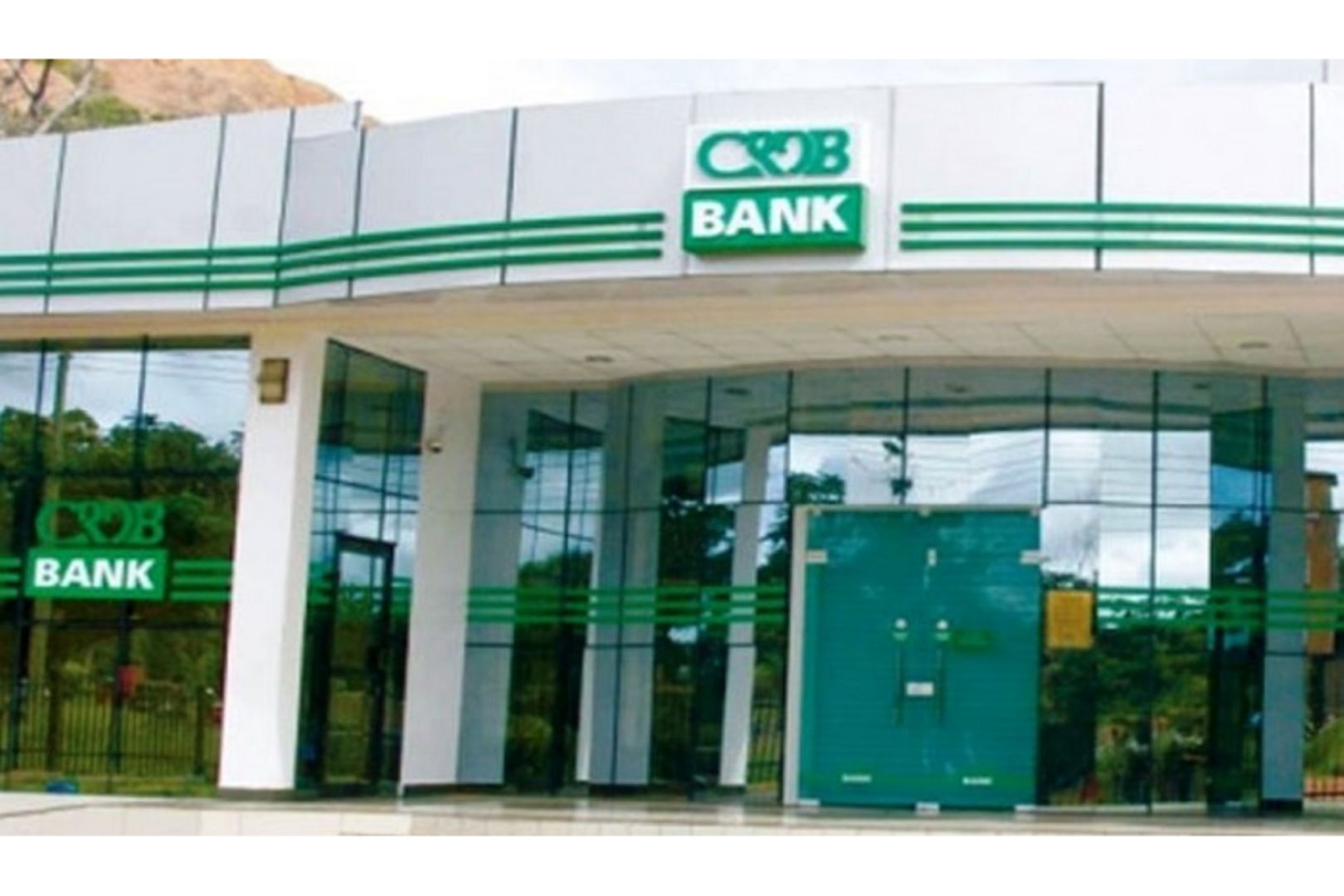

DAR ES SALAAM: THE publication of fourth-quarter 2025 financial results by CRDB Bank Plc and NMB Bank Plc has formally closed one of the most successful reporting years in the history of Tanzania’s banking sector.
As the two largest listed banks on the Dar es Salaam Stock Exchange (DSE), their performance not only reflects institutional strength but also provides a clear signal of where the capital market is headed in 2026.
Both banks delivered robust double-digit profit growth in 2025, underpinned by balance sheet expansion, resilient asset quality and sustained growth in non-interest income.
Collectively, CRDB and NMB accounted for the majority of profits generated by the listed banking sector, reinforcing the central role of financial institutions in the country’s capital market and in the broader national development agenda. CRDB Bank closed 2025 with particularly strong momentum.
The bank reported profit after tax of approximately 724.6bn/-, representing growth of over 30 per cent compared to 2024 results. This performance was supported by rapid expansion in total assets, which rose to above 22tri/-, alongside strong growth in customer deposits and advances.
The results underscore CRDB’s success in scaling its balance sheet, broadening its customer base and deepening its presence across retail, corporate and public-sector banking. NMB Bank, on the other hand, continued to demonstrate the strength of its longestablished franchise.
The bank reported net profit slightly above CRDB’s at about 749.8bn/- for the year ended December 2025, translating into growth of roughly 16 per cent year-on-year. While the growth rate was more moderate than CRDB’s, NMB retained its position as the single largest profit contributor among listed banks.
Its performance reflects a stable loan portfolio, strong fee and commission income and continued investment in digital banking and operational efficiency.
A comparison of the two institutions highlights an important dynamic within the sector. CRDB’s 2025 results point to faster growth and aggressive balance sheet expansion, while NMB’s numbers reflect scale, consistency and defensive strength. For investors, the distinction is not one of weakness versus strength, but rather growthled momentum versus mature market leadership.
Together, the two banks set the earnings benchmark for the DSE. Beyond the two market leaders, performance by other listed banks also contributed to the overall stability and diversity of the banking counters on the exchange.
Mufindi Community Bank Plc, Mwalimu Commercial Bank Plc, Mkombozi Commercial Bank Plc and Maendeleo Bank Plc continued to play an important role in serving niche markets, including community banking, cooperative finance, small and medium-sized enterprises and faith-aligned customers.
While their absolute contribution to market capitalisation and turnover remains modest compared to CRDB and NMB, these institutions provide investors with exposure to differentiated business models and regional growth opportunities.
In 2025, several of these banks recorded improvements in operating income, strengthened capital adequacy and continued efforts to contain non-performing loans, reflecting gradual recovery from earlier balance sheet pressures. Importantly, the performance of both large and smaller banks aligns closely with the Government’s financial inclusion and economic empowerment objectives.
Through expanded branch networks, agency banking, digital platforms and targeted lending to agriculture, SMEs and underserved communities, listed banks are supporting the national goal of broadening access to formal financial services. This complements policy priorities under Tanzania’s development frameworks, which emphasise inclusive growth, domestic resource mobilisation and the deepening of capital markets.
Their presence on the DSE further strengthens this agenda by linking household savings, pension funds and institutional capital to productive sectors of the economy. Over time, improved performance and governance among smaller listed banks could enhance public participation in capital markets, particularly among firsttime investors and communities outside major urban centres.
The implications for the stock market are significant. Banking stocks were the primary drivers of market capitalisation growth on the DSE in 2025 and CRDB and NMB ranked among the largest companies by market value.
Strong earnings performance translated into improved valuations, higher dividend expectations and increased trading activity, particularly among institutional investors. Looking ahead to 2026, the strong financial results are likely to support positive sentiment on the DSE in several ways.
First, sustained profitability in the banking sector provides confidence in the resilience of the broader economy, given the close link between banking activity, private sector growth and government financing. Second, strong capital positions at CRDB and NMB increase the likelihood of continued dividend payouts, which remain a key attraction for both domestic and foreign investors in Tanzania’s equity market.
ALSO READ: Strong quarter three fuels positive growth outlook
Third, the performance of both large and smaller banks is expected to anchor overall market liquidity. Historically, periods of strong bank earnings have coincided with higher turnover and improved price discovery on the DSE, as banking counters attract the bulk of trading interest.
This dynamic is likely to persist in 2026, particularly if macroeconomic stability is maintained and credit growth remains supportive of economic activity. However, the outlook is not without risks. Rising competition, evolving regulatory requirements and global financial uncertainties could exert pressure on margins.
Exchange rate movements and shifts in government borrowing patterns may also influence bank profitability and investor sentiment. Nonetheless, the 2025 results provide a solid buffer against these challenges. In conclusion, the Q4 2025 results from CRDB, NMB and other listed banks confirm that the country’s banking sector entered 2026 from a position of strength.
Their performance has reinforced the dominance of financial stocks on the DSE while advancing the government’s objectives of financial inclusion, economic empowerment and capital market development. For policymakers, investors and market participants alike, the message is clear: Strong, inclusive and well-capitalised banks remain the backbone of the country’s sustainable economic growth.