
DODOMA: Post-harvest losses remain one of the biggest challenges facing Tanzania’s agricultural sector, with studies indicating that farmers lose up to 30–40 percent of their harvest annually due to poor drying, storage, handling, and transport systems.
Cereals such as maize and rice, key staples for food security and regional trade are particularly affected, on maize about 15.5% lost after harvest and paddy rice – about 10.7% lost due to inadequate post-harvest infrastructure and handling practices.

For smallholder farmers, these losses translate into reduced incomes, limited market opportunities, and increased vulnerability to climate shocks. Addressing post-harvest losses has therefore become a critical pathway to improving food security, farmer resilience, and agricultural productivity.
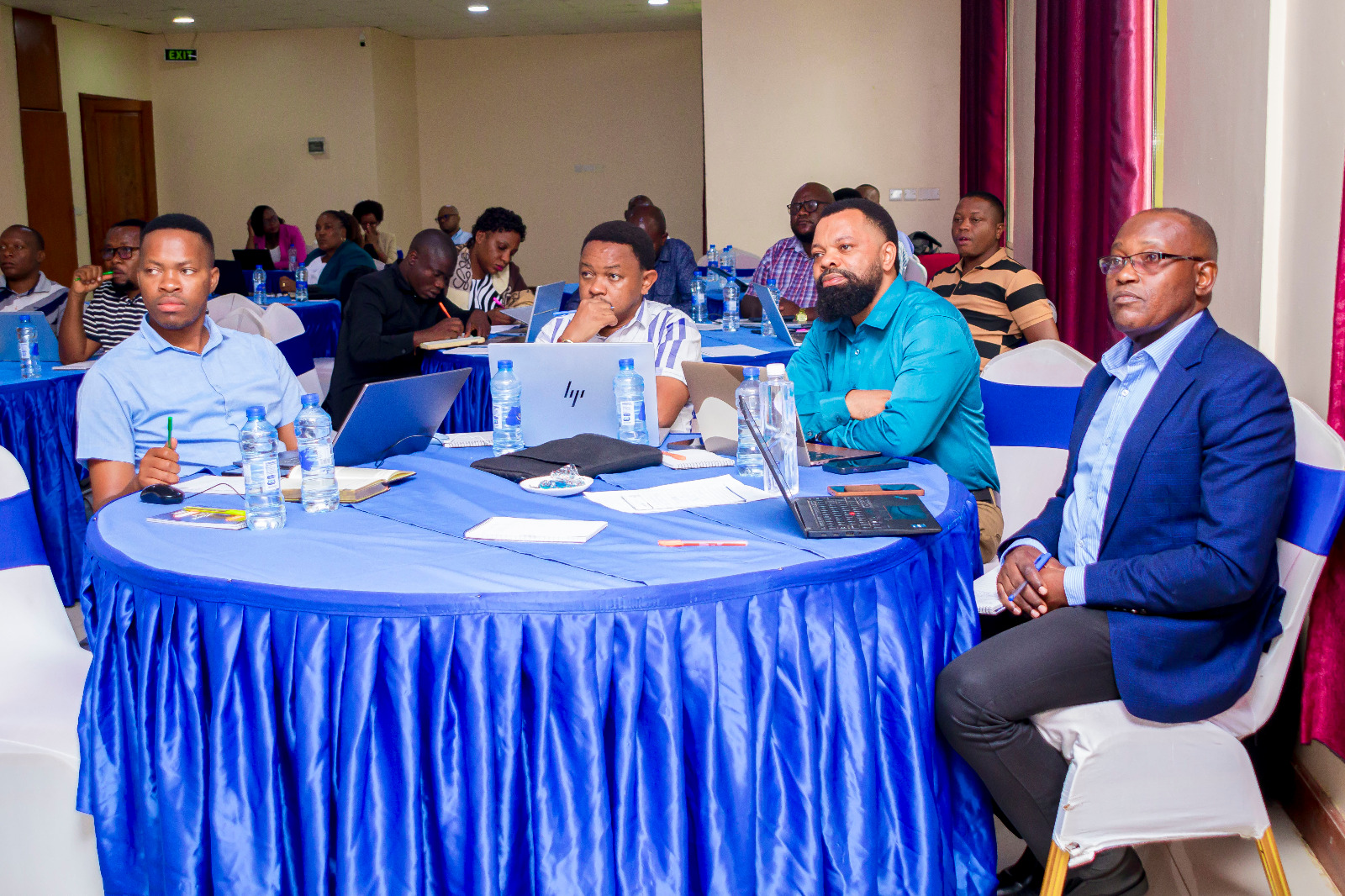
It is against this backdrop that AGRA convened implementing partners and key stakeholders in Dodoma for the RE-GAIN Tanzania Kick-Off Meeting, held from 9–11 February 2026 at Nashera. The meeting marked the official ongoing of coordinated implementation of the RE-GAIN program, an initiative aimed at reducing post-harvest food losses while strengthening climate resilience among smallholder farmers.

The meeting focused on building a shared understanding of the RE-GAIN program and aligning partners around implementation priorities. Sessions introduced the program’s objectives, delivery model, and operational arrangements, while highlighting AGRA Tanzania’s investments and how implementing partners will collaborate through a consortia approach. Discussions also addressed safeguarding requirements and compliance standards to ensure effective and accountable program delivery.
Government engagement featured prominently, with discussions emphasizing the role of regional and local government authorities in supporting implementation and strengthening coordination at sub-national levels. The first day concluded with sessions on gender and youth inclusion, underscoring the importance of integrating inclusive approaches across RE-GAIN interventions.
ALSO READ: AGRA urges global leaders to treat hunger as a systemic global risk
Speaking during the meeting, Mr Thomas Chali from the Vice President’s Office – A.D of Environment emphasized the importance of collaboration, noting, “AGRA’s efforts in reducing post-harvest losses are making a real difference for smallholder farmers. Strengthening partnerships with local governments will be key to improving efficiency and sustaining impact.”

AGRA Tanzania Country Director, Vianey Rweyendela, welcomed implementing partners to the program and underscored the importance of collective action, stating, “I welcome all partners on board and look forward to seeing tangible results in the near term as we work together under the RE-GAIN program.”
Throughout the meeting, participants received practical guidance on monitoring and evaluation, reporting standards, grants management, and the use of AMIS for program reporting. The sessions emphasized joint implementation, accountability, and learning as key drivers for delivering results and ensuring sustainable program impact.

Through strengthened partnerships and coordinated implementation, the RE-GAIN program is expected to accelerate the adoption of climate-resilient post-harvest solutions, reduce food losses, and improve livelihoods for smallholder farmers across priority regions in Tanzania turning post-harvest challenges into opportunities for increased productivity and resilience.