
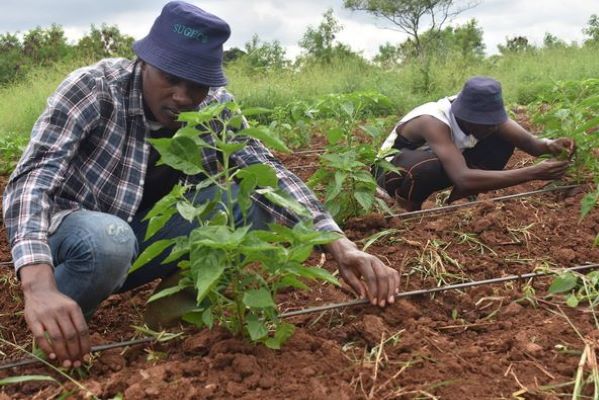

DAR ES SALAAM: YOUTH across Tanzania face a defining choice. Every year, many leave villages for towns, believing success lives in concrete and crowds. Too often they meet unemployment, high costs, and disappointment. Meanwhile, fertile land rests unused, livestock potential sleeps, and food demand keeps rising.
Agriculture and livestock keeping are not activities for elders left behind. They are real businesses, modern, profitable, and capable of employing thousands, even millions, of young Tanzanians.
Here, mindset is the first seed to plant. Farming is not a sign of failure but of foresight. Like trade or technology, it rewards strategy, discipline, and innovation. Youth bring energy, creativity, and new thinking that agriculture urgently needs. From horticulture to poultry, dairy, fish farming, and beekeeping, opportunities exist in every village.
These ventures can start small, grow steadily, and generate daily or seasonal income. One powerful advantage of agriculture is accessibility. You do not need huge capital or advanced expertise to begin. A small plot, a few animals, basic tools, and practical training are enough.
Skills are learned through doing, extension services, and peer groups. Unlike town hustles, farming builds assets that appreciate. Land gains value, herds multiply, soils improve, and experience becomes wealth that cannot be evicted. Livestock keeping strengthens resilience.
Animals convert grass and crop residues into income, provide food for families, and act as savings in difficult times. Integrated farming reduces costs and spreads risk. When crops fail, animals support households; when markets fluctuate, diversity cushions losses.
This stability is rare in informal urban jobs. Agriculture is also the backbone of Tanzania’s economy. It feeds the nation, supplies industries, earns foreign exchange, and anchors rural development.
ALSO READ: Zanzibar courts embrace digital transformation for faster, fairer justice
When youth invest at home, villages grow stronger. Local markets expand, services improve, and money circulates locally. Migration should be a choice, not an escape driven by hopelessness.
The government has opened doors that youth must walk through. Under President Samia Suluhu Hassan, agriculture and youth empowerment are priorities.
Significant funds, training, and market support are being directed to startups and agribusiness. For example, the President Samia 200bn/- initiative is a clear signal of trust in young entrepreneurs. These programmes are opportunities for those prepared to organize, apply, and work.
This is a call to rethink success. Prosperity can grow from villages, not only cities. Agriculture offers ownership, dignity, and long-term security. Tanzania needs its youth to fall in love with farming again, not as tradition, but as business. ownership and hope.