
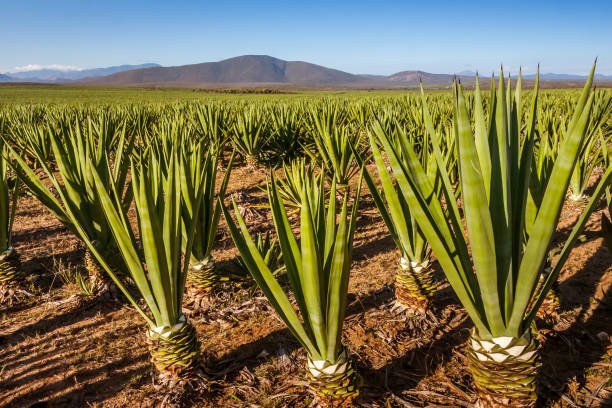
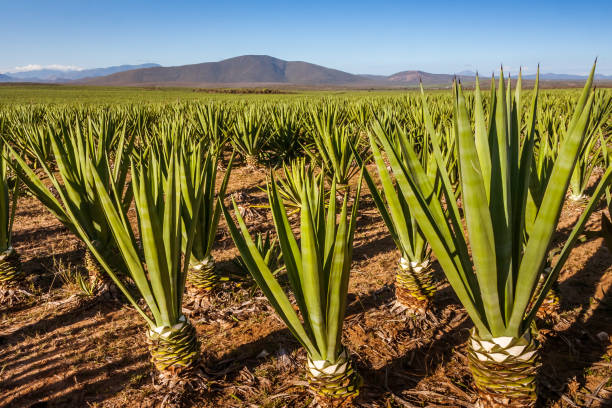
DAR ES SALAAM: SISAL production in Tanzania began in the late 19th century by the German East Africa Company. Sisal was continually produced during the German administration and the British administration and was the colony’s largest export highly prized for use in cordage and carpets worldwide.
At the time of independence in 1961, Tanzania was the largest exporter of Sisal in the world and the industry employed over 1 million farmers and factory workers. Sisal production began to decline after independence due to the drop in world prices as synthetic nylon substitutes became more popular.
The nationalization of the estates during Ujamaa and the mismanagement of the estates further dropped the production in the country.
ALSO READ: GCCTC advocates inclusive climate decision-making
However, in recent years the government has injected funds to help revive the industry’s glory. Sisal is the oldest commercial cash crop still in survival in Tanzania.
In 1893 visionary German Agronomist Dr. Richard Hindorf introduced the crop into the colony. The plant Agave sisalana was smuggled into Tanganyika fromYucatán, Mexico in the belly of a stuffed crocodile. Only 66 plants had survived the journey but it was commercially viable to start the industry.
The country’s warm and semi-arid climate was perfect for the plant and production in the colony grew exponentially. The plants fibers were mainly used for the production of ropes for the German naval fleet and sacks to export other agriculture products from the colony.