

Cutting Through Distances: The New Economic Corridor’s Promise
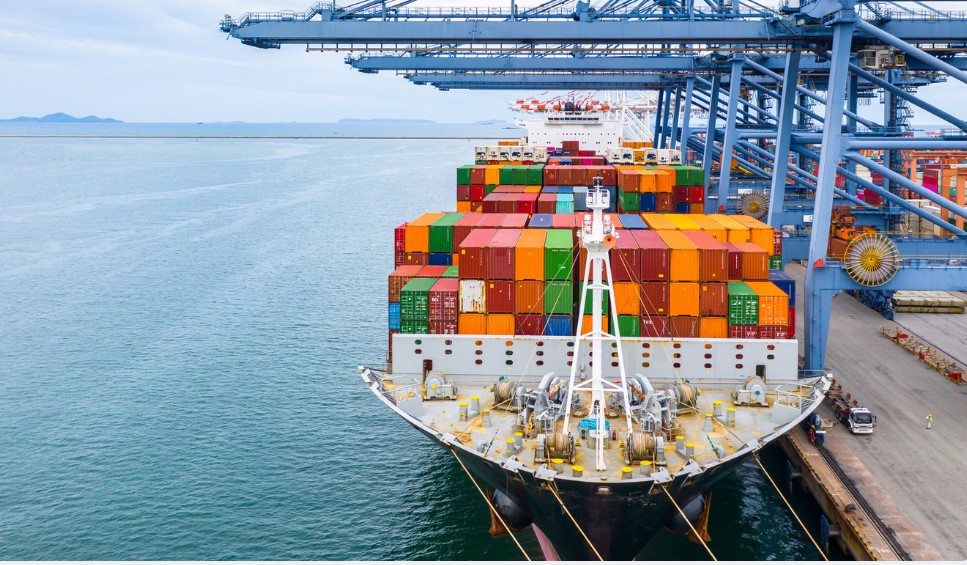
Reducing the time and expense involved in transporting goods is no small feat, but the new India-Russia-China corridor aims to do just that, transforming trade dynamics and delivering fresh momentum to Indian exports. This development focuses on creating an integrated transportation network that strategically combines the International North-South Transport Corridor (INSTC) with the Chennai-Vladivostok Maritime Corridor, streamlining freight routes and slashing delivery times and costs.
Key Components of the Corridor
The corridor bundles together:
International North-South Transport Corridor (INSTC): Offers a multimodal freight path linking India via Iran and Russia to Europe and Central Asia, facilitating quicker movement of goods by land and sea.
Chennai-Vladivostok Maritime Corridor: A sea route crucial for connecting India’s southeastern ports directly with Russia’s Far East, further enhancing maritime trade possibilities.
Together, these routes create a thoroughfare that trims the fat off traditional shipping times and expenses, turning export logistics from a cumbersome chore into a swift and cost-effective operation.
Economic Growth and Trade Ambitions: The Drivers Behind the Corridor
The strategic push from leadership highlights the corridor as a cornerstone for boosting economic ties. Talks between Indian and Russian officials underscored ambitions not just to enhance trade volumes but also to hover around a trade figure of USD 100 billion annually. These ambitious targets entail comprehensive upgrades—including digitalisation of freight processes and infrastructural enhancements—which promise to not only speed up shipments but also enrich customer service experiences across the board.
The Sectors Set to Benefit
This corridor is set to particularly advantage sectors where transportation costs and times impact competitiveness heavily. Key beneficiaries include:
– Pharmaceuticals: Fast, reliable shipping is essential due to product sensitivity and regulatory demands.
– Electronics: High-value, time-sensitive goods that require quick delivery to reduce inventory costs.
– Machinery: Bulkier shipments that benefit from optimized logistics routes, lowering transport expenses.
By enhancing the ease of moving such crucial commodities, this corridor could markedly boost India’s export reach and profitability.
Integrating Various Transportation Modes
One of the corridor’s strengths lies in its integrated logistics approach, combining air freight, sea freight, and land transportation. This multimodal network allows freight forwarding agents and logistics companies to tailor solutions flexibly and efficiently—whether for small parcels or bulky machinery—thus enhancing the entire supply chain’s responsiveness and cost-effectiveness.
Impact on Logistics and Freight Forwarding
With digitalisation playing a central role, processes will be streamlined, reducing paperwork delays and improving transparency. Upgraded infrastructure like better roads, ports, and rail links supports a seamless transition between different transport modes, ensuring goods move swiftly without unnecessary bottlenecks.
ALSO READ: Strike deal reached after two days of chaos at Kenya’s main airport
Geopolitical and Economic Outlook
While the corridor strengthens the tri-nation trade ties, it also reflects a broader trend of emerging markets investing in infrastructure to capture global trade benefits. Expansion of cooperation in sectors like energy further underpins the interdependence driving such projects, with promises of uninterrupted fuel supplies and enhanced trade connectivity. These developments signal a growing importance of integrated corridors in shaping regional and international freight patterns.
What This Means for Logistics Professionals
Logistics companies, freight forwarders, and cargo service providers operating in this sphere are poised at the forefront of a changing landscape. Quick adaptation to integrated multimodal logistics, digital freight tracking, and customer-centric transport solutions will be key differentiators for those looking to capitalize on the corridor’s advantages.
Summary of Benefits and Opportunities
– Reduced Transportation Time: Faster routes cut down delays and improve transit reliability.
– Lower Costs: Optimized shipping methods and infrastructure lower overall logistics expenses.
– Boost in Export Competitiveness: Indian industries gain a competitive edge in global markets.
– Enhanced Multimodal Connectivity: Smooth transitions between air, sea, and land transport increase supply chain efficiency.
– Digital Infrastructure Improvements: Automation and advanced tracking promote client satisfaction and transparency.
Looking Ahead: The Real-World Factor
As promising as reviews, plans, and forecasts are, nothing beats firsthand experience in evaluating how such corridors perform in practice. The truth of efficiency, cost savings, and service reliability ultimately shows up in day-to-day operations and customer feedback.
Global Logistics Outlook and the Corridor’s Role
While this corridor’s direct impact may be regional in scope, its concept and results resonate on the global logistics stage. It highlights how strategic infrastructure projects can reshape freight forwarding, haulage, and distribution patterns by enhancing efficiency and lowering expenses. For logistics platforms keeping pace with change, like GetTransport.com, such developments reaffirm the importance of modern, integrated transport solutions tailored to global and local needs.
Conclusion
The India-Russia-China economic corridor stands as a shining example of how integrated transport networks can drastically reduce transit times and costs, bolstering export sectors critical to India’s economic growth. By bringing together road, sea, and air freight into a cohesive system backed by digital and infrastructure upgrades, the corridor addresses logistical challenges that have long constrained trade efficiency.
For businesses and logistics providers, this translates into more reliable, quicker, and cost-effective shipment options—critical factors that can foster competitiveness in the global market. Embracing such corridors, with the support of platforms like GetTransport.com, unlocks new potential for seamless forwarding, hauling, and distribution, streamlining everything from parcel deliveries to heavy machinery relocation.
Ultimately, as transport costs and journey times decrease, the entire global freight ecosystem stands to benefit through enhanced connectivity and expanded trade opportunities, marking a promising horizon for the world of logistics.