
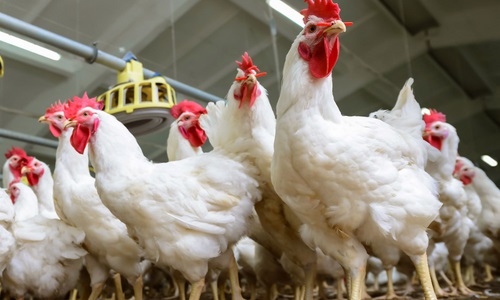

DAR ES SALAAM: THE Netherlands Embassy has launched a strategic initiative to reduce drug use in poultry farming, aiming at bolstering food safety and industrial efficiency across Tanzania.
The Embassy organised a one-day seminar drawing veterinary officers from Dar es Salaam, Coast and Morogoro Regions.
The seminar focused on shifting the industry’s mindset from the use of antibiotics to preventive measures for sustainable poultry production.
Opening the seminar yesterday, Deputy Ambassador of the Netherlands to Tanzania Onno Koopmans raised the alarm over the health repercussions of drug-heavy poultry farming.
“Our primary focus is to educate front line veterinary officers on the major repercussions of using excessive drugs for disease prevention and the resulting impact on human consumption,” Mr Koopmans stated.
He noted that as health-conscious consumers, particularly the younger generation turn to poultry as a vital source of protein, poultry farming must evolve to meet safety standards.
“To protect the future of the young generation, it is vital to rely on better management practices rather than drugs while raising chickens,” he said.
“I am not opposed to medication; rather, I believe it should be used as a last resort. We are at a crossroads where we must choose sustainable health practices over a culture of treatment.”
The Deputy Ambassador said that the quality of poultry products begins with robust ‘health production mechanisms’ rather than reactive medication sales.
He urged professionals to resist the urge to push drug sales at the expense of long-term consumer health.
Tanzania and the Netherlands have been collaborating in the poultry sector for five years now, Mr Koopmans revealed that this partnership had moved beyond simple aid to deep investments in knowledge, technology and innovation.
A key milestone of this bilateral tie is the collaboration between the Aeres Training Centre (Netherlands) and Tanzania’s Livestock Training Agency (LITA) to develop a specialised, modern poultry curriculum.
ALSO READ: Why SAT motivates farmers to diversify with poultry and fish farming
Ms Josje Hakker, a lead trainer, said that bio security and preventive measures were the true drivers of efficiency.
She stressed that veterinary officers must guide farmers on foundational issues, such as the quality of drinking water, to prevent common diseases and potential pandemics without reaching for the medicine cabinet.
Agriculture Adviser at the Netherlands Embassy, Ms Theo Mutabingwa noted that a recent survey revealed a worrying trend: Many poultry farmers currently view drugs as their primary tool for disease prevention.
“We are engaging LITA to ensure this knowledge is embedded in the teaching curriculum so that this sustainable approach reaches the majority of poultry farmers nationwide,” Ms Mutabingwa added.
One of the participants Mr Azory Mbuma noted that they have learnt that in keeping best animals without using medicine is possible by following best farm regulations and rules.
The Tanzanian poultry subsector is currently experiencing rapid growth, fuelled by the protein demands of a booming population.
While much of the sub-sector still operates informally, more farmers are transitioning from subsistence to commercial ventures, making the call for ‘drug-free’ farming, a timely intervention for the country’s public health and economic future.