
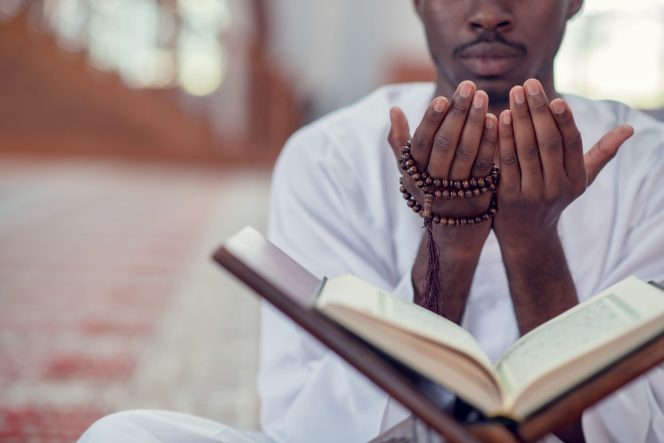

DAR ES SALAAM: LESS than 72 hours before sighting of the moon, as we prepare to look up at the sky for the sighting of the blessed crescent moon, like a guest who never forced entry but waited patiently to be welcomed, we unite our hearts in hope and anticipation to welcome the holy month of Ramadan.
The sighting of the new moon marks the beginning of a sacred journey of fasting, prayer, self-discipline, and spiritual renewal. It is a powerful reminder of unity within the Muslim community, as believers around the world await the confirmation to begin fasting together.
More than a period of abstaining from food and drink, Ramadan is a divine invitation to return to faith with sincerity, humility, and renewed purpose, Ramadan occupies a central place in Islam.
It is the month in which the Qur’an was revealed as guidance for humanity, a source of wisdom, clarity, and moral direction.
Fasting during Ramadan is one of the Five Pillars of Islam, making it a fundamental act of worship for all adult Muslims who are physically and mentally able, a fact well known among the faithful.
For this reason, the arrival of Ramadan is met with reverence, anticipation and careful preparation, as believers ready themselves for a deeply transformative spiritual journey.
Preparation for Ramadan begins long before the first day of fasting. Muslims are encouraged to cleanse not only their bodies but also their hearts and intentions.
Seeking forgiveness from Allah, reconciling with others, letting go of grudges and committing to moral improvement are all essential elements of this preparation.
Believers are reminded to intensify these efforts and approach the holy month with hearts fully ready.
Ramadan calls believers to slow down, reflect, and reorient life toward what truly matters; faith, integrity, compassion, and service to others.
From dawn until sunset, Muslims abstain from food, drink and physical desires. Yet fasting extends far beyond physical restraint. It is a discipline of the soul, designed to cultivate patience and selfcontrol.
Through hunger and thirst, believers are reminded of their dependence on Allah and the countless blessings often taken for granted. This daily act of self-denial nurtures humility, gratitude and inner strength.
Equally important is the moral dimension of fasting. Islam teaches that abstaining from food while engaging in harmful speech or unjust behaviour diminishes the true spirit of Ramadan.
Believers are therefore urged to guard their tongues, control anger, avoid gossip and dishonesty and embody kindness in their interactions.
Ramadan sets a higher ethical standard, encouraging Muslims to live the values of Islam not only in worship but in every aspect of daily life. Prayer takes on special significance during the holy month.
In addition to the five daily prayers, mosques come alive at night with Taraweeh prayers, as worshippers seek closeness to Allah. Many dedicate more time to reciting and reflecting upon the Qur’an, often striving to complete its recitation within the month.
These acts of devotion strengthen faith and provide spiritual nourishment that extends well beyond Ramadan. Charity and generosity stand at the heart of Ramadan.
Fasting awakens empathy for the poor, the hungry and the vulnerable, reinforcing Islam’s emphasis on social responsibility. Muslims are encouraged to increase acts of charity through zakat and voluntary sadaqah.
Feeding those who are fasting, supporting widows and orphans, and assisting people in hardship become acts of worship, transforming compassion into meaningful action.
It is within this spirit of mercy and justice that business people and traders are especially reminded of their moral responsibility during Ramadan.
The holy month is not a time for exploitation or profiteering from people’s necessities. Increasing the prices of food and essential goods during Ramadan contradicts the very values the month represents.
Islam calls for fairness, honesty and compassion in trade, and Ramadan offers a unique opportunity for business owners to earn spiritual reward by maintaining fair prices, easing the burden on families and serving the community with integrity.
Ethical business practices during Ramadan are not only acts of social responsibility but also forms of worship that attract divine blessing.
ALSO READ: Why do most Muslims struggle to uphold the values of Ramadan year-round?
Ramadan is also a month of unity and togetherness. Families gather daily to break their fast at sunset, sharing meals, prayers and moments of gratitude.
These gatherings strengthen bonds and create lasting memories. Communities come together in mosques and homes, reinforcing brotherhood and sisterhood across social and economic boundaries.
Through this shared experience of fasting and worship, Muslims are reminded that faith is both a personal journey and a collective responsibility. The holy month offers a powerful opportunity for personal transformation.
Many Muslims use Ramadan to abandon harmful habits, improve discipline and cultivate positive routines. Whether committing to regular prayer, practicing patience, or increasing acts of kindness, Ramadan serves as a spiritual reset, an annual chance to realign one’s life with Islamic values.
Islam emphasises mercy and balance, and Ramadan reflects this principle. Those who are ill, elderly, pregnant, breastfeeding or travelling are exempted from fasting, with provisions to make up the fast later or offer charitable compensation.
This compassion ensures that worship remains a source of healing rather than hardship, highlighting Islam’s concern for human dignity and well-being.
As Ramadan begins, scholars and community leaders encourage Muslims to welcome the month with joy, hope and sincere intention.
The Prophet Muhammad (peace be upon him) described Ramadan as a month whose beginning is mercy, whose middle is forgiveness and whose end is salvation from the fire.
This promise inspires believers to value every day and night, knowing that opportunities for spiritual growth are abundant.
Ultimately, Ramadan is a gift, a sacred pause in the year that invites believers to reconnect with Allah, with their communities and with their conscience.
As Muslims prepare to welcome this blessed month, they do so with hearts full of hope, seeking forgiveness for the past, strength for the present and guidance for the future.
During Ramadan, the demand for food and essential items often rises because families prepare meals for iftar (breaking the fast) and suhoor (pre-dawn meal).
However, this sacred month is a time of compassion, generosity and selfrestraint not a time for exploiting higher demand for personal profit.
The Prophet Muhammad (peace be upon him) emphasised mercy, fairness, and caring for the less fortunate, especially during times of hardship. At the same time, this message extends beyond Muslims alone.
Non-Muslim traders and business owners are also encouraged to show solidarity and social responsibility during this period. In many communities, Muslims and non-Muslims live and work side by side.
By maintaining fair prices and avoiding unnecessary increases, everyone contributes to social harmony and mutual respect. This support allows Muslim families especially those with limited income to observe their fast peacefully and with dignity