
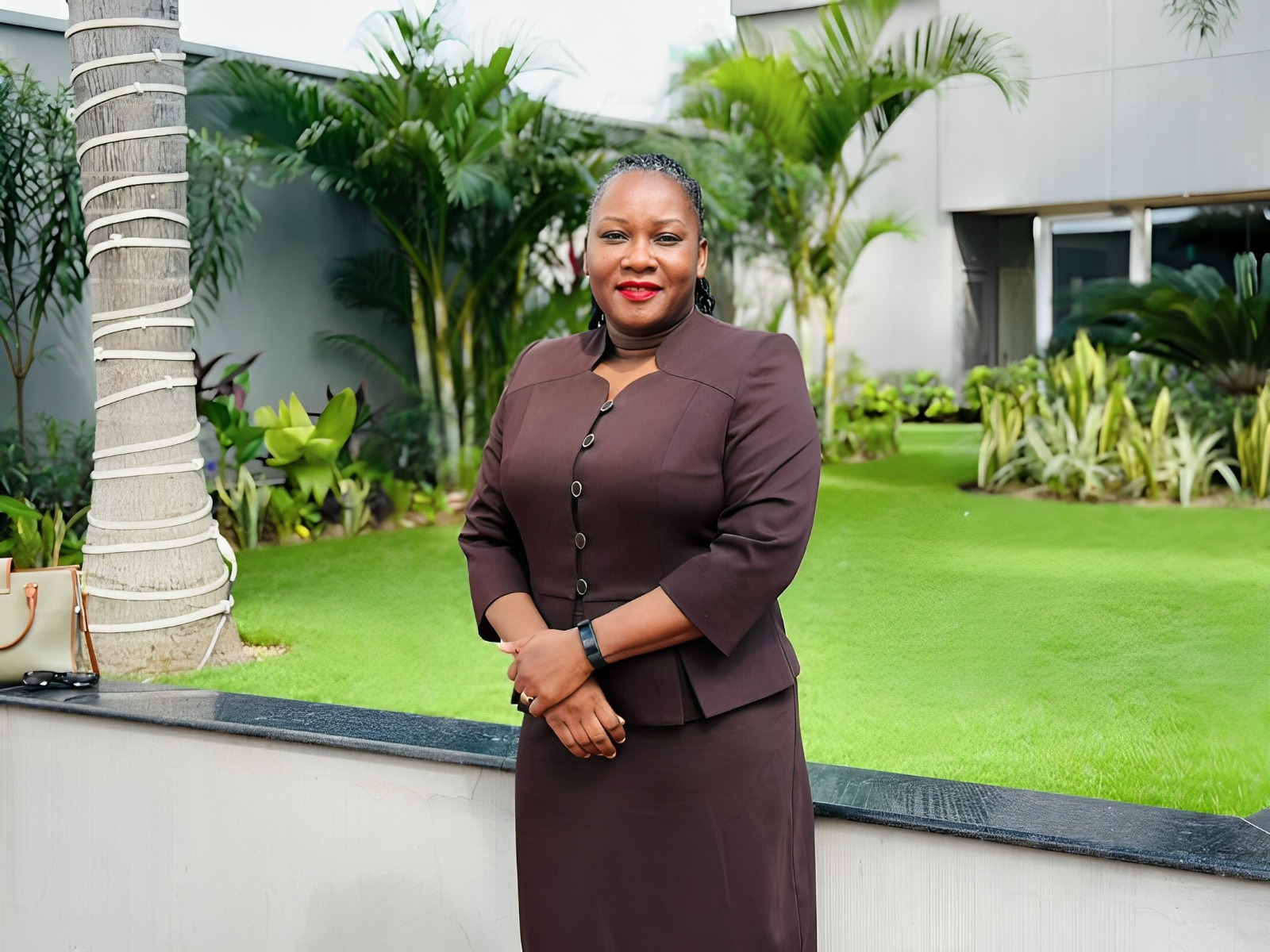

DAR ES SALAAM: IN the quiet, high-stakes halls of policy dialogue and the bustling heat of community schoolyards, one voice has become impossible to ignore. It is a voice that is both firm and empathetic, seasoned by 15 years of seeing the education system’s greatest triumphs and its most heartbreaking gaps.
Martha Makalla, the National Coordinator of the Tanzania Education Network (TEN/MET), is not just a policy expert. To the thousands of girls who thought their dreams ended with a positive pregnancy test, and to the children in remote villages waiting for a desk to call their own, she is an architect of second chances.
As she steps into a boardroom filled with development partners and government officials, Martha carries more than just a briefcase of data.
She carries the weight of a decade and a half of grassroots experience. Having served as National Coordinator since late 2023, her rise to the top of civil society leadership wasn’t a product of chance, but of a persistent, five-year climb within TEN/MET.
“Education is a right, not a privilege,” she often says, her words acting as a North Star for her advocacy. But for Martha, rights aren’t just found in legal documents, they are found in the dignity of a classroom and the safety of a school dormitory.
While many see national budgets as cold rows of numbers, Martha sees them as a reflection of a nation’s soul. She has become a formidable force in national budget analysis, leading the charge for a bold vision, 20 per cent of the national budget dedicated to education.
Martha acknowledges the progress Tanzania has made, but she is quick to pivot the conversation from how much to who for.
“It is not only about increasing the education budget,” Martha explains with the clarity of a veteran leader. “It is about ensuring those resources reach the learners who need them most, children with disabilities, students re-entering the system, and those from our most vulnerable communities.” For Martha, a budget is only successful if it is inclusive.
If a child with a disability cannot access a classroom, or if a girl stays home because she lacks sanitary products, the budget has failed. Perhaps the most personal and profound area of Martha’s work is the National Re-entry Policy. In a society where the stigma of early pregnancy or poverty-driven dropouts can follow a young woman for a lifetime, Martha has stood at the front lines, demanding a different narrative.
She played a pivotal role in the 2023/2024 review of Tanzania’s Education and Training Policy. Because of the evidence-based recommendations pushed by TEN/ MET under her leadership, the door is no longer slammed shut on students who have faced setbacks.
“A learner who drops out should not be permanently excluded from the system,” she insists. “They deserve an opportunity to return, learn, and build their future.” But Martha knows that allowing a girl back into school is not enough.
Under her guidance, TEN/MET collaborated with various ministries to create a National Re-entry Implementation Plan. This isn’t just about paperwork; it’s about a holistic ecosystem. It involves health sectors, local governments, and community leaders working together to ensure a returning student isn’t met with whispers and shame, but with counselling, academic support, and dignity.
“Re-entry is about creating a supportive environment where they feel safe and respected,” Martha says.
It is a mission to ensure that a mistake at fifteen doesn’t define a woman’s life at fifty. Martha is also a champion of the ‘Double Path’ in education. She recognizes that the traditional, purely academic route isn’t a onesize-fits-all solution for Tanzania’s youth.
ALSO READ: From villages to Geita, nation united for IWD 2026
She has been a vocal supporter of the new ten-year compulsory education cycle and the introduction of vocational streams in secondary schools. Whether it is electrical installation, plumbing, or automotive mechanics, Martha believes in the power of hands-on dignity.
“Not every learner thrives through purely academic pathways,” she says.
“Skills-based education gives young people practical competencies that lead to selfreliance.” By pushing for entrepreneurship to be a compulsory subject, she is helping cultivate a generation of innovators.
She wants Tanzanian children to graduate not just with a certificate, but with a problemsolver mindset, the ability to look at their community, find a gap, and build a business. Behind every policy and every new desk, Martha sees the human being at the front of the classroom.
She describes teachers as the foundation of the nation. Her advocacy includes a push for Continuous Professional Development, ensuring that as the world changes and technology advances, our teachers aren’t left behind.
“Every professional in society begins as a student guided by a teacher,” she reminds us.
To Martha, investing in a teacher’s growth is the highest-leverage investment a country can make. Martha’s work doesn’t stop at the policy level. Through TEN/ MET’s network, she oversees the practical, boots-on-the-ground interventions that change daily lives. From dormitory construction to the provision of desks and scholastic materials, she is deeply involved in the logistics of learning.
She is particularly vocal about the challenges facing adolescent girls. She speaks candidly about menstrual health, a topic once whispered about, now brought to the forefront of policy dialogue. Martha calls on families and communities to budget for sanitary products, ensuring that no girl misses school because of a natural biological process.
“Ensuring dignity and safety is part of ensuring quality education,” she says firmly.
Martha represents a new era of Tanzanian leadership, one that is strategic, collaborative, and deeply rooted in empathy. She is calling for an expedited review of the Education Act to ensure laws keep up with these modern reforms. She is calling on parents to step up for school feeding programs and for teachers to move away from punitive discipline toward character-building. Her message is this, education is a collective responsibility.
It takes a village to raise a child, but it takes a leader like Martha to ensure that village has the resources, the laws, and the vision to succeed. As Tanzania looks toward a future of self-reliance and prosperity, Martha remains at the helm of the most important ship in the fleet. She is proof that when you lead with heart and back it up with hard data, you don’t just change a policy you change a generation.