
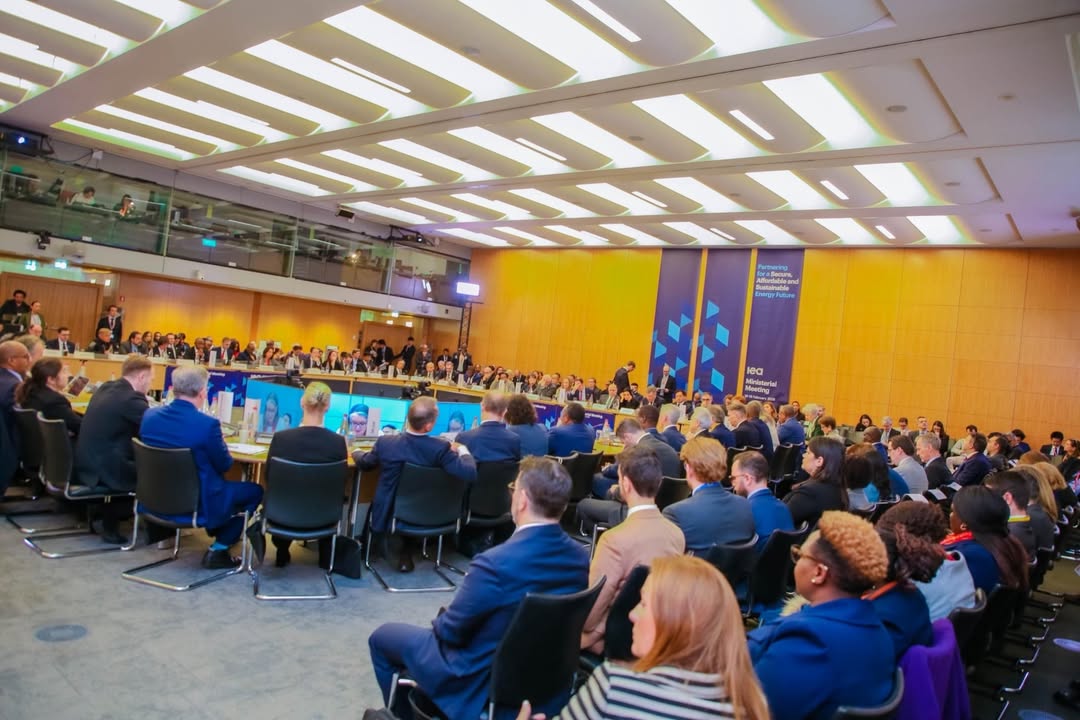
PARIS: THE access to clean cooking energy in Tanzania has risen from 6.9 percent in 2021 to 23.2 percent in 2025, representing more than a threefold increase over four years.
The Minister for Energy, Deogratius Ndejembi, made the statement during the High-Level Ministerial Dialogue organized by the International Energy Agency (IEA) in Paris, France, which focused on discussing strategies to expand access to energy for all and accelerate the implementation of clean cooking energy solutions.
Addressing various participants, the minister said that the achievements reflect the commitment of Tanzania to ensure citizens have access to clean, safe, and affordable energy for cooking, while also contributing to protecting public health, the environment, and promoting the national economy.

Elaborating, he said that the country has continued to strengthen efforts to expand the use of clean cooking energy as part of the sustainable development agenda.
Additionally, he said that the achievements have been supported by the implementation of resolutions from the First African Clean Cooking Energy Conference, where Tanzania participated in mobilizing commitments totaling 2.2 billion US dollars to advance the sector across Africa.
ALSO READ: Mwenda unveils TRA United’s board of directors
“The real progress will be measured by practical implementation and the expansion of services, particularly in rural areas where firewood and charcoal consumption remains high,” he stated.
Moreover, he said that in May 2024, President Samia Suluhu Hassan officially launched the National Clean Cooking Energy Strategy 2024–2034, aimed at coordinating policies, regulations, financial systems, and private sector participation to increase the use of clean energy nationwide.

Ndejembi said that for this fiscal year, the government plans to distribute 200,000 improved cookstoves and 450,000 subsidized LPG cylinders, along with starting a pilot system for paying for electric cooking appliances through Tanzania Electric Supply Company (Tanesco) bills, to reduce upfront costs for citizens.
He also stated that the government has banned the use of firewood and charcoal in institutions serving more than 100 people, including schools and health centers, as a measure to reduce environmental degradation and health risks caused by indoor smoke.