
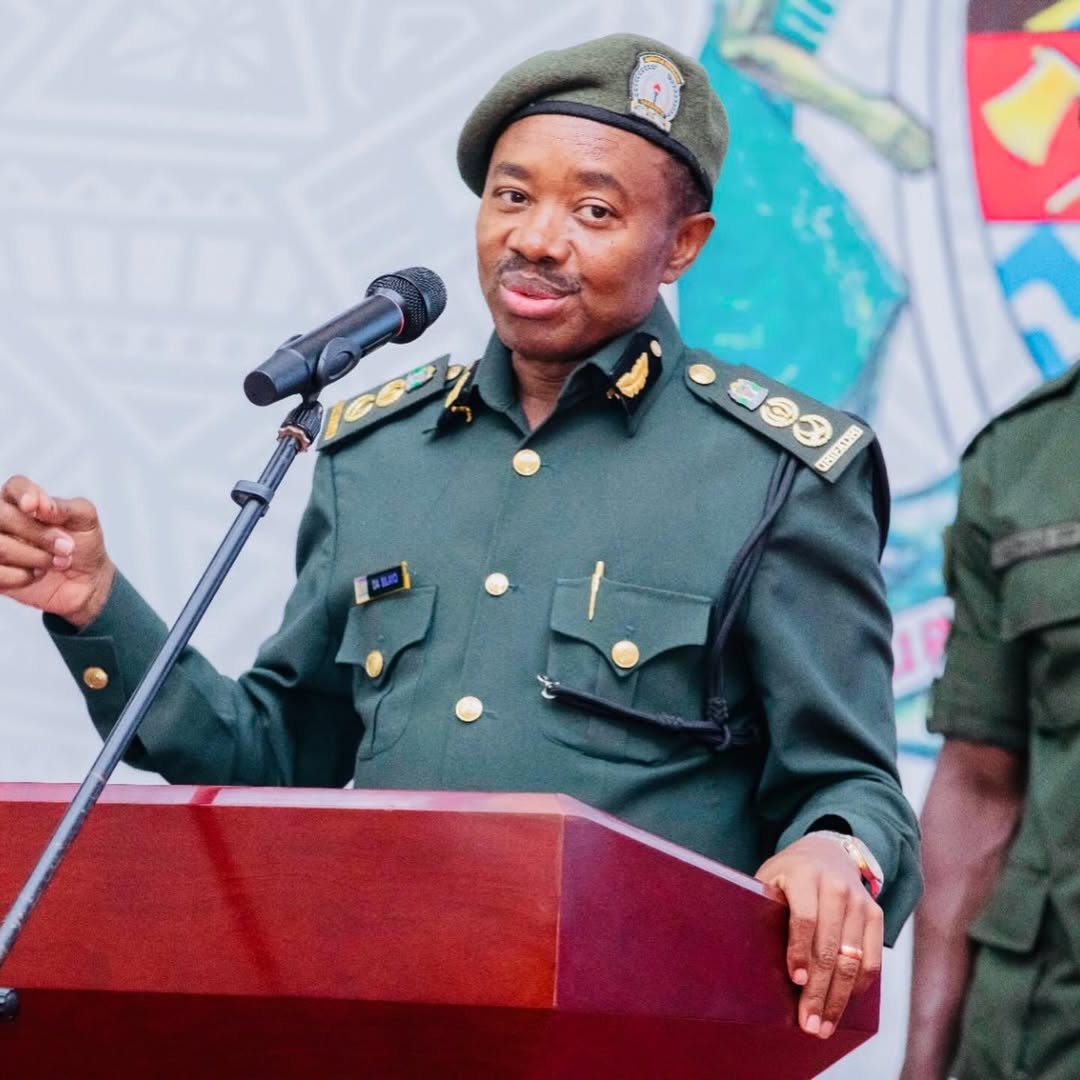
MOROGORO: THE Conservation Commissioner of the Tanzania Forest Services Agency (TFS), Prof Dos Santos Silayo, has urged leaders and station commanders of the agency to change their leadership mindset by listening to citizens, understanding newly recruited youth, and managing natural resource conflicts wisely.
The Commissioner made the call on the second day of the Fourth Meeting of TFS Leaders and Station Commanders currently taking place in Morogoro noting that social and environmental changes require TFS to adopt broader thinking and new leadership and problem-solving approaches.
According to Prof Silayo,public offices have no excuse for delaying responses to citizens.
“The government has set a direction of listening to citizens. Therefore, every TFS leader, in their respective position, must be ready to listen, respond, and resolve challenges brought forward. The office belongs to the government; it does not matter whether you were present or not when the problem began,” he stressed.
Additionally, he said that TFS must keep pace with social changes that are shaping the attitudes of newly employed youth, noting that the new generation has different expectations about the work environment.
ALSO READ: Tanzania orders private agents to respect laws governing overseas jobs
“Today, a youth is employed with specific expectations already in mind. We cannot treat them as mere listeners; we must respect them, guide them, and motivate them,” he said.

Moreover, he emphasized on the need for station leaders to be open to new ideas and to strengthen work environments that uphold dignity and respect.
Commenting on the impacts of climate change and social pressures, Prof Silayo said increasing demand for resources could fuel conflicts between communities and conservation areas, calling on leaders to manage the situation professionally.
He cited examples of some citizens setting fires in forests to protect themselves from destructive wildlife, saying such actions are survival strategies driven by environmental stress.
“We cannot ignore these warning signs. We must reach out to citizens, listen to them, and collaborate before the damage becomes severe,” he said.