
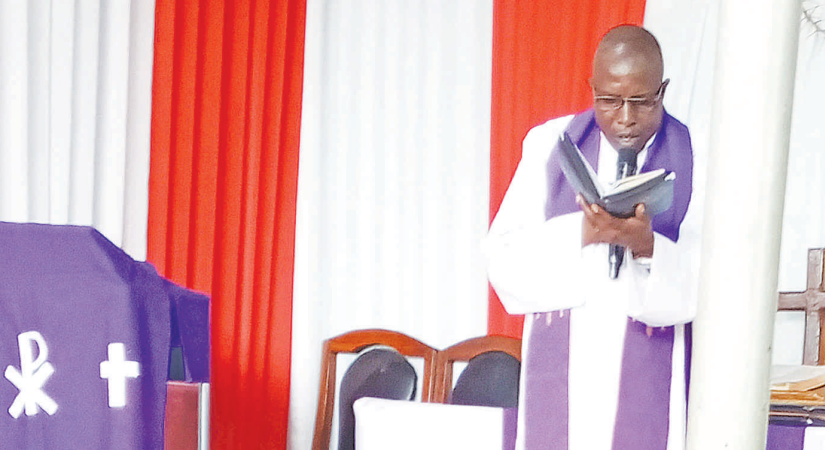

MWANZA: AS Christians across the country marked Ash Wednesday, the beginning of the solemn 40-day journey toward Easter, a powerful message echoed from the pulpit of Mji Mwema Parish under the Evangelical Lutheran Church in Tanzania (ELCT) Lent must be more than ritual, it must be transformation.
Delivering his sermon to a packed congregation, Pastor Emmanuel Muhangwa of the Eastern Lake Victoria Diocese urged believers to embrace twenty spiritual principles designed to reshape character, restore relationships and renew faith.
“This year’s Lent should bring change in our lives by turning away from our bad conduct so that we may be worthy to see the face of God after our life here on earth,” he told the faithful.
Season of reflection, renewal
Lent, a sacred season in the Christian calendar, commemorates the suffering, sacrifice, and love of Jesus Christ. It is traditionally observed through prayer, fasting, repentance, and acts of charity. But according to Pastor Muhangwa, fasting should extend beyond food.
Quoting 2 Chronicles 7:14 “If my people who are called by my name humble themselves, pray, seek my face and turn from their wicked ways, then I will hear from heaven, forgive their sin, and heal their land” he emphasised humility as the gateway to healing, both personal and national.
“The Word of God is the lamp to our lives,” he said. “When we read it and fill our hearts with it, we gain wisdom and walk in the right path.”
Fasting beyond food
In a sermon that was both practical and deeply spiritual, the pastor outlined twenty principles Christians should observe during Lent.
He called on believers to fast from sin in order to attain holiness. But he went further — urging them to fast from sorrow to gain joy; from pride to receive true honour; from jealousy to open doors to blessings; and from resentment to find inner comfort.
Christians, he said, should fast from selfishness to strengthen fellowship and mutual care, from contempt to gain respect, from fear to grow in faith, and from arrogance to cultivate humility.
Anger must give way to gentleness. Ignorance should be replaced by wisdom.
Gossip, he warned, destroys peace in families and communities. Insults erode reverence. Shame weakens courage and prevents people from standing against wrongdoing.
“Living a life of shame can lead a person to do things that displease God and may cause them to lack the courage to stand up against evil,” he said.
Restoring relationships, responsibility
Hatred, the pastor noted, breaks friendships — yet human beings are created for relationships and fellowship. Fasting from hatred, therefore, opens the door to love and unity.
He also spoke strongly against laziness, reminding believers that hard work is both a biblical command and a path to success. Drunkenness and uncontrolled pleasures, he added, have damaged many lives and health.
On moral discipline, he called for fasting from adultery in order to pursue righteousness and reverence for God.
The final principles were spiritual at their core: fasting from evil influences to gain love, and from excessive pleasures to reclaim time for prayer and worship.
“Some people have abandoned prayer and devoted themselves to pleasure,” Pastor Muhangwa observed. “It is good to live a holy life, reflect on our actions, and abandon those that do not glorify God.”
Message that resonates For many congregants, the message struck home.
One church member, Bertha Rock, said Lent should be used as a time of deep repentance and prayer for God’s mercy — both for individuals and for the nation — so that painful events experienced in the past may never be repeated.
ALSO READ: Ramadan: Where worship meets compassion and conscience
As the ash crosses fade from foreheads in the coming days, the challenge remains clear: Lent is not merely about abstaining from meals. It is about abstaining from everything that distances the heart from God.
And in that transformation, Pastor Muhangwa reminded the faithful, lies the hope of seeing the face of God.