
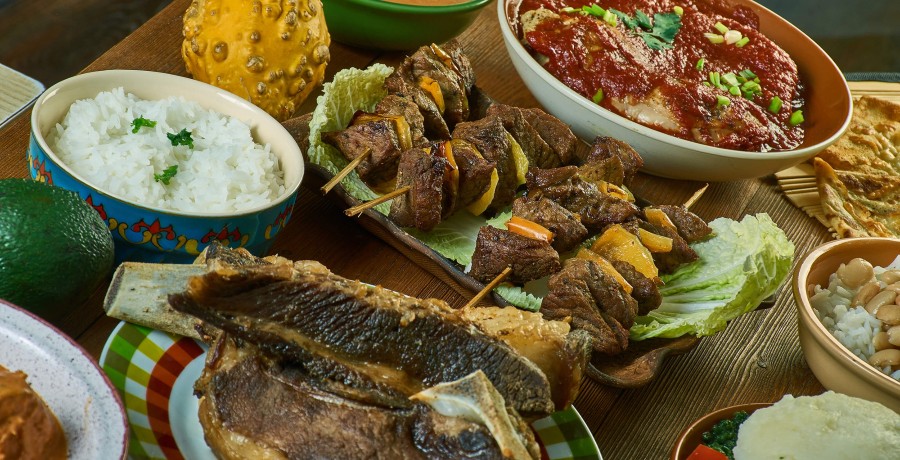

DAR ES SALAAM: A GROUNDBREAKING cookbook on indigenous Tanzanian cuisine, enhanced with modern scanning technology, has been launched in Dar es Salaam.
The publication aims to promote, preserve and digitally document the country’s rich traditional food heritage, from farm to table.
Titled From the Farm to the Plate, the book is authored by arts works supervisor Rhoda Khambenga.
Speaking during the recent launch event, Ms Khambenga said the book captures the stories of farmers and cooks, as well as the cultural practices and taboos surrounding traditional foods from various ethnic communities across Tanzania.
She explained that the idea for the book was inspired by a common misconception among many visitors that Tanzanians primarily consume dishes such as chips, eggs, rice, ugali and pilau.
In reality, she explained, Tanzania boasts a diverse array of traditional foods with deep cultural significance, many of which remain underrepresented, particularly in urban areas. Beyond celebrating the nation’s culinary heritage, the book also advocates for healthier eating by encouraging greater consumption of indigenous dishes.
ALSO READ: Gov’t urges mining firms to empower artisanal miners
Ms Khambenga cited research indicating a growing prevalence of non-communicable diseases linked to high-fat diets. She contrasted this trend with the balanced diets of previous generations, who often enjoyed longer and healthier lives.
Available in both Kiswahili and English, the cookbook incorporates modern scanning technology that allows readers to use their smartphones to access short videos demonstrating food preparation techniques or showing the crops in their original farm settings. While such technology is widely used globally, its integration into an indigenous cookbook remains rare in East Africa.
A representative of Nafasi Art Space, Mr Felix Muchira applauded the publication for documenting authentic recipes from across Tanzania and highlighting the contributions of both renowned and lesser-known local cooks.
“I urge Tanzanians to support Rhoda’s initiative,” he said.
“Many people no longer know how to prepare indigenous dishes. This book will serve as an important educational tool.” Event coordinator Scolastica Sultan also expressed her enthusiasm about the growing recognition of culinary arts in Tanzanian society. She described the book as a vital resource for preserving and passing on the nation’s food heritage to present and future generations.