
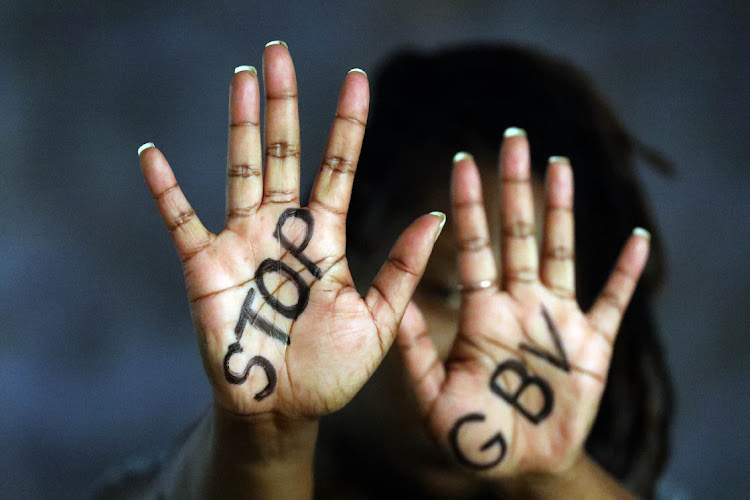

IRINGA: DESPITE notable progress in the fight against Gender-Based Violence (GBV), the vice remains a pressing public health and human rights concern in Tanzania, with national statistics indicating that nearly half of all women experience some form of violence in their lifetime.
However, encouraging signs are emerging from grassroots initiatives such as community knowledge centres established by the Tanzania Gender Networking Programme (TGNP), which have demonstrated that community-driven interventions can significantly reduce abuse, improve reporting mechanisms and restore dignity to survivors.
One such initiative is the Kalenga Knowledge Centre (KC) in Iringa Region, which has quickly grown into a transformative force in the fight against GBV.
Founded as a community-based structure, the centre was established with a clear objective to prevent and reduce gender-based violence while promoting justice, awareness and social harmony.
Through empowering women, enhancing legal awareness and strengthening collaboration with authorities, Kalenga KC has not only reduced GBV cases in Kalenga Ward but has also attracted neighbouring villages seeking guidance and support.
From its inception, the centre has served the three villages that constitute Kalenga Ward which are Isakalilo, Tosamaganga and Kalenga.
Initially, each village contributed 10 members, bringing total membership to 30. The number has since increased to 36, following the addition of two members from each village.
Notably, 75 per cent of the members are women, reflecting strong female leadership and active participation in community protection efforts.
The centre was formed after members underwent gender training facilitated by TGNP, which inspired them to establish a permanent local structure to address GBV challenges within their communities.
Kalenga KC Chairperson, Ms Rose Wisiko, said that since its establishment in 2024, the centre has provided substantial support to the community, particularly in the fight against GBV.
“What began as a small initiative has evolved into a recognised community support hub not only within Kalenga Ward but also beyond,” she said.
Communities from neighbouring areas, including Maboga and Ulanda wards in Iringa Rural District, have started visiting the centre to seek advice and assistance.
“People who have received help from our centre inform others where they found support. As a result, we are now receiving visitors from outside our ward,” Ms Wisiko explained.
She noted that when approached by neighbouring villages, the centre first advises them to coordinate with their respective local leaders. Thereafter, Kalenga KC organises outreach visits to provide awareness training and help address emerging GBV challenges.
This expansion of outreach activities demonstrates how grassroots initiatives can influence broader regional change and inspire replication in other communities. Beyond addressing GBV, the centre has also assisted in resolving marital conflicts and supporting children with special needs.
ALSO READ: Stakeholders explore collaborative approaches to combat GBV
These additional services have strengthened its credibility as a comprehensive community support institution.
Ms Wisiko explained that Kalenga KC operates through two main approaches, including members proactively visit communities to identify and discuss social challenges and the centre receives cases directly from community members who seek assistance.
She said regular awareness campaigns are conducted in various public spaces, including markets, local brew outlets, grocery shops, schools and motorcycle taxi stands (bodaboda stages).
During these sessions, residents are educated on what constitutes GBV, the different forms of abuse, legal consequences for perpetrators and available reporting mechanisms.
The centre also participates in public village meetings held every two months, where GBV education is integrated into broader community discussions.
According to Ms Wisiko, sustained awareness efforts have contributed to a significant decline in reported GBV incidents within Kalenga Ward.
“Previously, many victims did not know where to report cases of abuse. Today, community members voluntarily come forward to seek support,” she said.
She cited Isakalilo village as an example, noting that cases of rape and sodomy, particularly those involving children, were once alarmingly high.
Through community sensitisation and close collaboration with law enforcement authorities, perpetrators have been arrested and prosecuted. This visible accountability, she explained, has instilled fear among potential offenders while boosting confidence among victims and survivors to report abuse.
The centre handles cases within its capacity through mediation and counselling, while more serious cases are referred to the Police Gender and Children’s Desk and other relevant government authorities.
By working closely with state institutions, Kalenga KC ensures that formal justice mechanisms are activated whenever necessary.
According to the 2022 Tanzania Demographic and Health Survey (TDHS), conducted by the National Bureau of Statistics in collaboration with the Ministry of Health, 48 per cent of women aged 15–49 have experienced physical or sexual violence from an intimate partner at least once in their lifetime.
The survey indicates that 27 per cent of women in the same age group have experienced physical violence, while 12 per cent have experienced sexual violence.
Additionally, approximately 23 per cent of women reported experiencing intimate partner violence within the 12 months preceding the survey. Nearly 30 per cent of girls experience sexual violence before reaching the age of 18.
Police and health facility records also reflect rising reporting trends. Reported GBV and Violence Against Children (VAC) cases in health facilities increased from 159,508 in 2019 to 266,410 in 2023. In 2023 alone, police recorded 37,448 victims of GBV and sexual violence, representing a 22.5 per cent increase compared to 2022.
Experts suggest that the rise in reported cases may indicate improved awareness, strengthened reporting mechanisms and growing public confidence in available support systems, rather than an actual increase in violence.
Nonetheless, the statistics confirm that GBV remains widespread and continues to disproportionately affect women and children. It is within this context that community-based initiatives such as Kalenga KC play a critical role.
By combining prevention, awareness creation, mediation and collaboration with authorities, the centre has demonstrated that sustainable change is possible when communities take ownership of the fight against GBV.