

GEITA: THE Keeping Adolescent Girls in School (KAGIS) project has successfully supported approximately 123,489 people in Geita and Kigoma regions over five years of implementation.
The project was implemented under the supervision of Plan International Tanzania in collaboration with its partners, RAFIKI SDO and the WPC Organisation, with funding from the government of Canada.
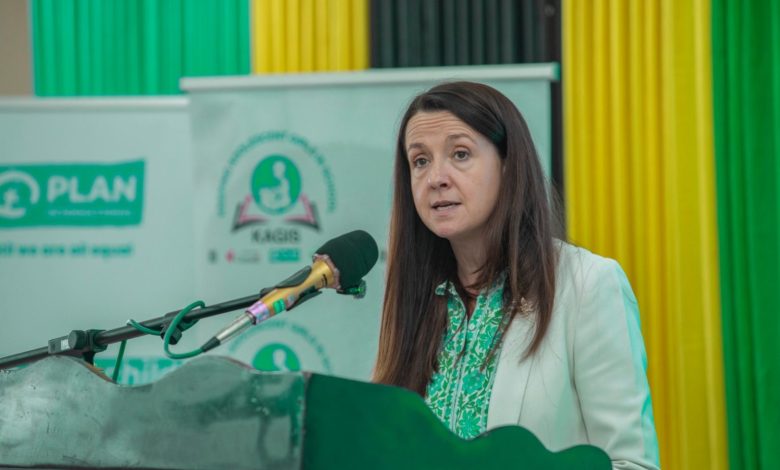
The Country Director of Plan International Tanzania, Ms Jane Sembuche, presented the project’s achievements during the closing ceremony held recently at the Geita Regional Commissioner’s office.
Ms Sembuche said the beneficiaries included girls, boys, parents, guardians, teachers and community members, all of whom actively participated to achieve meaningful change.
She explained that KAGIS equipped adolescent girls with life skills and strengthened household economies through savings and loan groups, helping them complete their education and pursue their goals.
The project benefited 6,000 women through these groups and enabled 7,000 girls to remain in school.
ALSO READ: Tanzania hails KAGIS for helping girls learn in a safe, learner-friendly environment
“The project has significantly improved gender responsiveness in primary and secondary schools, rising from 25 per cent at the start to 66 per cent by the end,” Ms Sembuche said.
“These achievements resulted from strong child protection systems, prevention of gender-based violence in schools, the provision of safe spaces for girls, and increased accountability at the school level.”
Geita Regional Commissioner, Mr Martine Shigela said KAGIS has supported government efforts to strengthen the education sector by creating girl-friendly learning environments that help adolescent girls stay in school.
He also praised the government of Canada for funding the project, noting that it reflects strong diplomatic cooperation between Tanzania and Canada.
\The Canadian Ambassador to Tanzania, Ms Emily Burns said Canada values education, particularly for girls, and supported the creation of conducive learning environments in schools.
She added that the success of KAGIS marks a major step forward in strengthening cooperation between Canada and Tanzania to advance community-based education development