
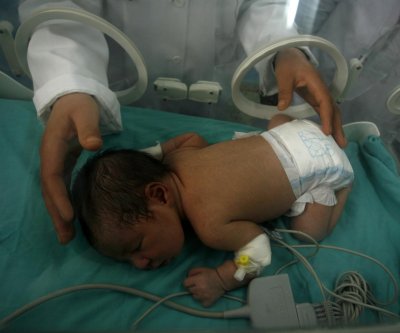
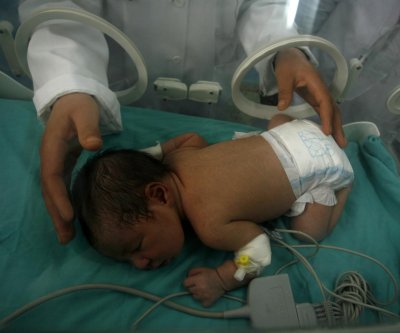
MWANZA: DIRECTOR General of the World Health Organisation (WHO), Dr Tedros Ghebreyesus, on Saturday this week is scheduled to officially inaugurate a state-of-the-art building valued at 2.125bn/- dedicated to the care of premature babies.
The ultra-modern facility, located at Kwimba District Hospital in Mwanza Region, is the first of its kind in the country.
It has been constructed by the Doris Mollel Foundation under its Executive Director, Ms Doris Mollel.
Implemented in partnership with American singer Alicia Keys’ foundation, keep a Child Alive, the facility promotes the “zero separation” model, ensuring that newborns are not separated from their mothers during treatment, an approach proven to improve survival rates and strengthen bonding.
The development comes at a time when statistics from the Ministry of Health show that in Tanzania, about one in every ten children equivalent to more than 250,000 babies are born prematurely each year, underscoring the urgent need to strengthen maternal and newborn healthcare services.
Globally, the World Health Organisation estimates that 15 million babies are born prematurely every year, with over one million dying due to complications associated with preterm birth.
According to a statement issued recently by Ms Mollel, the new building also includes a dedicated space allowing fathers to visit both mother and child, and has the capacity to serve 42 infants at a time.
ALSO READ; CPAP machines offer hope for premature babies
Speaking on the project, Ms Mollel said that following the completion of the Kwimba facility, the foundation plans to expand similar centres to other regions, including Dar es Salaam, three districts in Mwanza, two districts in Shinyanga, as well as Geita, Tabora and Zanzibar. The goal is to construct 10 more such facilities by 2028.
The inauguration of the centre aligns with the government’s target to reduce the neonatal mortality rate from 24 to 12 deaths per 1,000 live births by 2030.
In a recent interview with the Daily News, a Neonatologist at Muhimbili National Hospital (MNH), Dr Neema Nalitolela, said studies indicate a significant burden of premature births in the country.
“These studies show that approximately 17 per cent of babies born in the country each year are premature, and even in hospitals, more than half of the babies admitted to neonatal wards are preterm sometimes even outnumbering full-term infants,” she said.
These findings highlight the significant impact of premature births on the national health system, particularly in neonatal care services,” Dr Nalitolela added.