
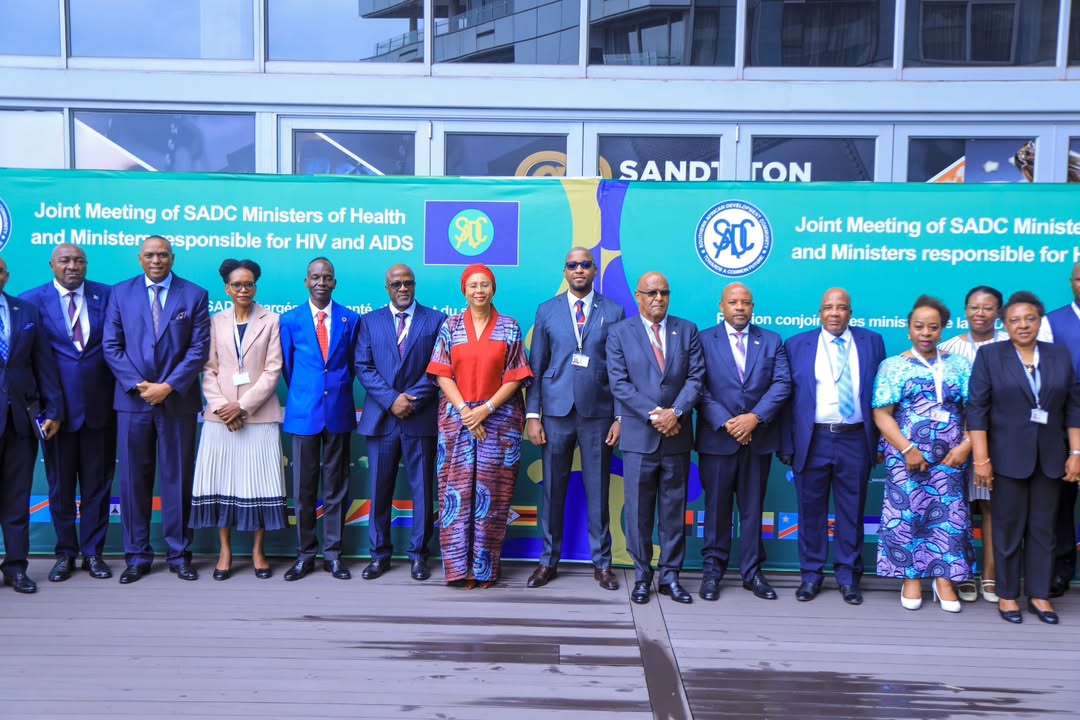
JOHANNESBURG: Tanzania has been appointed to host the Southern African Development Community (SADC) Regional Joint Procurement Program for Medicines and Medical Supplies, namely, SADC Pooled Procurement Services (SPPS).
The appointment reflects Tanzania’s recognised leadership within the community as well as its reputation as a peaceful, stable country with strong diplomatic relations.

Speaking during the SADC Health Ministers and Ministers Responsible for HIV meeting in Johannesburg, South Africa, the Deputy Minister of Health, Dr Florence Samizi, said the appointment is a strong vote of confidence in Tanzania’s ability to efficiently manage the regional program and that it has already established immediate readiness by setting up work environments, offices, and operational systems to host the SPPS.
According to the deputy minister, the systems were developed by local experts to ensure smooth and efficient program implementation.
ALSO READ: Tanzania, Korea affirm to enhance multilateral ties in strategic areas
Additionally, the deputy minister noted that Tanzania’s role as the SPPS host aligns with the strengthened mandate of the Medical Stores Department (MSD) as the central agency for procurement, storage, and distribution of medicines and medical supplies both domestically and across the SADC region.
“This will ensure reliable access to medicines and medical supplies while reducing procurement costs through joint purchasing. This initiative will enable lower prices for medicines and medical supplies through collective procurement, while also streamlining the distribution chain to SADC member states,” she said.

Moreover, Dr Samizi stressed that through the SPPS, MSD will benefit from institutional capacity building, expand its regional service scope, and promote the use of Tanzania’s ports and infrastructure as a gateway for health products to SADC countries, a move expected to boost employment, trade, and national revenue.
Elaborating, the Dr said that local manufacturers will gain by using the SPPS as a gateway to access the broader SADC market, which will stimulate domestic industrial growth and increase the competitiveness of locally produced health products.