

TABORA: THE Tobacco Research Institute of Tanzania (TORITA), headquartered in Tumbi, Tabora, is steadily positioning itself as a central force in environmental protection and farmer income growth through innovation in renewable energy for tobacco curing.
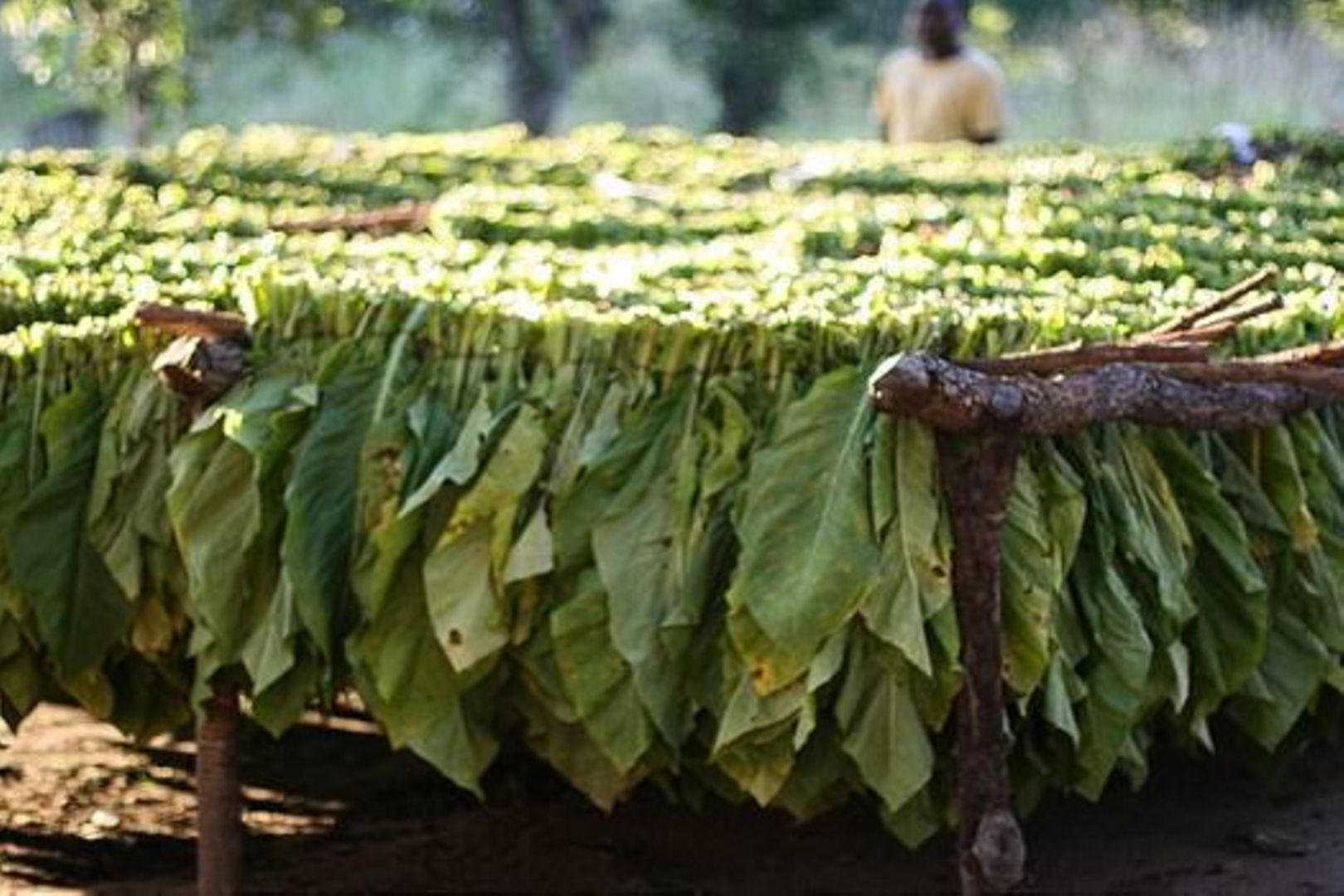
For decades, tobacco curing in Tanzania relied heavily on firewood, a practice that contributed significantly to deforestation and environmental degradation. In many tobaccogrowing regions, uncontrolled tree cutting became an unfortunate by-product of agricultural production, raising concerns about sustainability and longterm ecological balance. Today, TORITA is working to rewrite that narrative.
Through applied research, institutional partnerships and farmercentred innovation, the institute is spearheading efforts to reduce reliance on firewood while improving productivity and profitability for smallholder farmers.
Research designed for real impact
Speaking in Tabora, TORITA’s Chief Executive Officer, Dr Jacob Lisuma, underscored the institute’s commitment to practical, accessible and affordable research. He explained that TORITA has developed strong institutional and technological strategies to ensure its findings reach farmers in usable forms, particularly in rural communities where resources are often limited.
“We do not conduct research for theory’s sake,” he emphasised. “Our work is intended to solve the real challenges farmers face.” Central to this mission is a deliberate focus on renewable energy applications in tobacco curing.
By exploring alternatives such as solar-powered drying systems and energy-efficient curing barns, TORITA aims to cut production costs while protecting forests. The approach aligns environmental conservation with economic empowerment, demonstrating that sustainability and profitability can go hand in hand.
Bridging academia and agriculture
A key component of TORITA’s strategy is collaboration with higher learning institutions, notably the Nelson Mandela African University in Arusha. Through this partnership, university students undertake field camps at TORITA, where they engage directly with realworld challenges in the tobacco sector.
ALSO READ: Tanzania agrees to enhance ties with DRC in the transportation sector
These immersive programmes allow students to conduct applied research focused on alternative energy solutions for tobacco curing and other pressing agricultural issues. In these hands-on environments, students identify specific farm-level problems and design practical solutions that can be implemented with minimal disruption or cost.
The model accelerates innovation while promoting effective technology transfer to farmers. By exposing students to field realities, the collaboration nurtures a new generation of scientists and engineers equipped to tackle Tanzania’s agricultural challenges. At the same time, farmers benefit from fresh ideas and emerging technologies tailored to their needs.
Regional and international partnerships
TORITA’s reach extends beyond national borders. The institute maintains working relationships with research bodies across Africa, including the Tobacco Research Board in Zimbabwe and Malawi’s Research and Agricultural Technology Institute (RAT ARET). These partnerships facilitate knowledge exchange, joint studies and experience sharing aimed at boosting productivity and sustainability in tobacco farming.
Through regional cooperation, researchers can compare findings, adapt successful models and strengthen the overall resilience of the sector.
At the same time, TORITA invests in building the professional capacity of its own staff. Researchers and technical officers receive training in technology development, environmental management, agricultural economics and governance. This continuous professional development enhances research efficiency and ensures the institute remains responsive to evolving sectoral demands.
Structured dialogue with stakeholders
Administrative coordination and stakeholder engagement are also central to TORITA’s operations. Each August, the institute convenes an annual workshop dedicated to stakeholders in the tobacco sector.
The forum brings together farmers, buyers, regulators and researchers to review findings from the previous year and chart priorities for the year ahead. By presenting data transparently and inviting feedback, TORITA ensures that its research agenda remains aligned with market realities and farmer expectations.
This participatory approach fosters accountability and strengthens trust between researchers and producers. It also allows stakeholders to highlight emerging challenges, from pest management to input costs, enabling the institute to respond proactively.
Collaboration with regulatory authorities
Beyond renewable energy, TORITA conducts research on improved tobacco fertilisers and pest control solutions. These initiatives are carried out in collaboration with regulatory bodies such as the Tanzania Fertiliser Regulatory Authority (TFRA) and the Tanzania Plant Health and Pesticide Authority (TPHPA).
The objective is to identify safer, more effective inputs that enhance crop yields without compromising environmental integrity or farmer safety.
Further cooperation has been strengthened with the Tanzania Official Seed Certification Institute (TOSCI) and Nelson Mandela African University in the development and promotion of solar-powered tobacco drying technologies. By integrating research, regulation and certification processes, TORITA helps ensure that innovations meet national standards while delivering tangible benefits to farmers.
Financing innovation and infrastructure
Like many research institutions, TORITA faces financial, infrastructural and human resource challenges. Dr Lisuma noted that the institute addresses these constraints by preparing detailed project proposals to secure funding from local and international donors, particularly for environmentally focused research.
Government support, channeled through the Ministry of Agriculture, has also played a crucial role. Over time, this support has enabled the development of modern infrastructure for seed production and storage, including advanced facilities and specialised storage rooms designed to maintain seed quality.
These investments strengthen the foundation for sustainable tobacco production, ensuring farmers have access to improved seed varieties capable of delivering higher yields and better resilience.
Shared responsibility in the sector
Importantly, tobacco sector stakeholders contribute annual levies to support research activities. Farmers’ contributions help finance studies aimed at reducing production costs, improving land productivity and increasing overall profitability.
According to Dr Lisuma, these collaborative funding mechanisms create a sense of shared responsibility and ownership. They also support contractual employment opportunities and enhance operational efficiency within the institute. By pooling resources, the sector reinforces its collective capacity to innovate and adapt.
Farmers welcome the shift
In Tabora and surrounding tobacco-growing areas, farmers have expressed optimism about TORITA’s focus on alternative energy for curing. Many see the shift away from firewood as both an environmental necessity and an economic opportunity. Renewable energy technologies promise to lower fuel costs, reduce time spent sourcing firewood and minimise exposure to fluctuating wood prices.
At the same time, protecting forests safeguards long-term agricultural viability by preserving soil health and local ecosystems. Farmers have commended TORITA for conducting research that directly affects their livelihoods. They have pledged continued collaboration in piloting and adopting new technologies on their farms.
For smallholder producers, who form the backbone of Tanzania’s tobacco industry, innovations that cut costs while raising efficiency can significantly improve household incomes and living standards.
A model of farmer-centred research TORITA’s work illustrates how research institutions can serve as catalysts for sustainable agricultural development. By focusing on real-world problems, building strong partnerships and maintaining open dialogue with stakeholders, the institute has carved out a reputation as a leader in Tanzania’s tobacco sector.
Its renewable energy initiatives address two pressing concerns simultaneously: environmental degradation and farmer profitability. By reducing reliance on firewood and promoting solar-powered curing systems, TORITA contributes to forest conservation while enhancing economic resilience.