
DODOMA: TANZANIA has unveiled a bold national roadmap to fast-track implementation of its commitments made at the 2025 Paris Nutrition for Growth (N4G) Summit, reinforcing efforts to eliminate all forms of malnutrition by 2030.
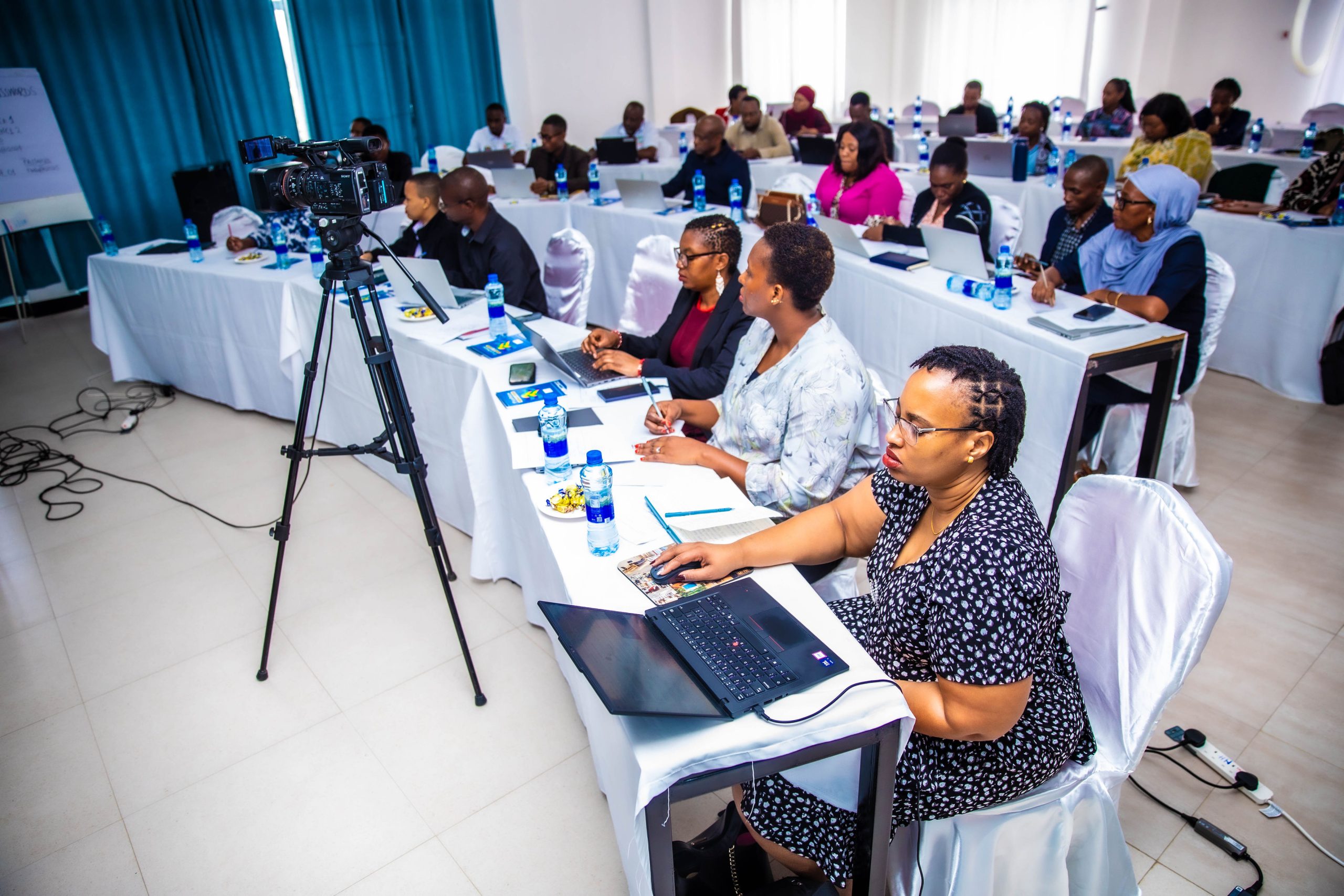
Key government institutions, development partners, and civil society organisations convened in Dodoma for a high-level National Technical Stakeholders’ Consultation to operationalise the country’s seven N4G commitments and align them with national planning and budgeting systems.
The meeting is set to deliver a validated National N4G Implementation Framework, a consolidated and time-bound 2026–2028 roadmap, a harmonised monitoring and evaluation (M&E) architecture, a financing and resource-tracking mechanism and clearly assigned institutional responsibilities.

Speaking on behalf of the Permanent Secretary in the Prime Minister’s Office (Policy, Parliament, Coordination and Persons with Disabilities), the Assistant Director of Policy and Government Coordination, Mr Omar Ilyas said the country must now shift from pledges to measurable impact.
“The delivery strategy must ensure Tanzanians get maximum impact from our commitments. This meeting must answer one fundamental question, how will we ensure every pledge translates into measurable results for our citizens?” he said.
He stressed that the Nutrition for Growth (N4G) commitments are not parallel initiatives but acceleration instruments for implementing the National Multisectoral Nutrition Action Plan (NMNAP), strengthening human capital development and advancing the National Development Agenda towards Vision 2050.

ALSO READ: Tanzania’s Nutrition Contract hits significant success in the 2024/25 fiscal year
“The operationalisation of these commitments directly contributes to building a healthy and skilled population, reducing poverty and inequality, and accelerating inclusive economic growth. Nutrition is the foundation for the Tanzania we want by 2050,” he said.
As coordinator of the Scaling Up Nutrition (SUN) Movement and the government’s multisectoral nutrition strategy, the Prime Minister’s Office underscored the importance of embedding the commitments into ministerial budgets and planning frameworks.
“Technical teams must ensure the commitments made at the N4G Summit are integrated into our national budget plans,” he emphasised.
Director of Policy, Planning and Nutrition at the Tanzania Food and Nutrition Centre (TFNC), Ms Debora Charwe, said Tanzania made seven key commitments at the Paris summit and has since engaged stakeholders to ensure effective implementation.

“The primary objective of these commitments is to strengthen accountability in nutrition. Today’s consultation builds on previous meetings to assess progress and determine how far we have advanced since last August,” she said.
She added that the framework will also establish mechanisms to track day-to-day implementation to ensure the country achieves its four-year targets.
The consultation, organised by TFNC in collaboration with the Partnership for Nutrition in Tanzania (PANITA) and World Vision, was attended by nutrition stakeholders from government ministries and institutions.
At the 2025 Paris Nutrition for Growth Summit, 57 non-donor countries registered more than 400 commitments for the 2025–2029 period aimed at accelerating progress towards achieving the 2030 Sustainable Development Goals.
Tanzania’s commitments were formally registered by the Prime Minister’s Office as part of intensified efforts to eradicate malnutrition and strengthen the nation’s human capital base.
