

OSLO, NORWAY: The world is currently facing the challenge of environmental degradation and climate change that has not been witnessed in the past several decades.
These changes are mostly attributed to industrial development, especially in developed countries such as United States, United Kingdom, China and Norway, and human activities that are said to be contributing to climate change in developing countries.
One of the countries that are witnessing climate change is Norway, which, recognizing the dangers of such changes, is using various methods to combat this global challenge.
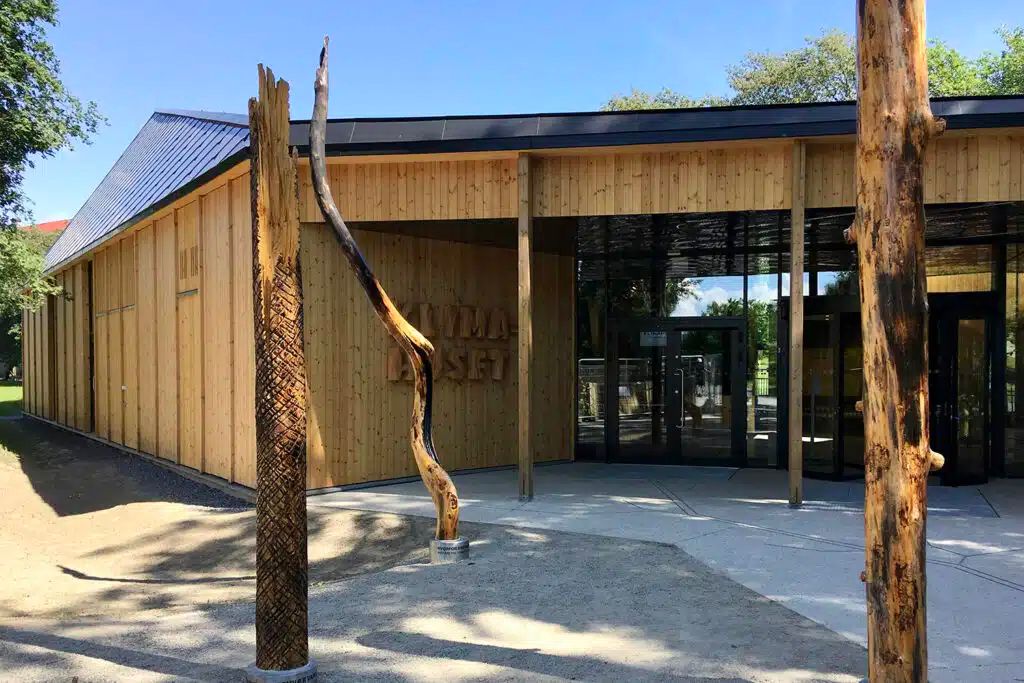
Speaking during a visit by master’s degree students from various countries around the world to the National Museum in Oslo, which has preserved various archives and technology that Norway uses to demonstrate the challenges of climate change and weather, Senior Lecturer from Oslo Metropolitan University, Professor Andreas Ytterstad, said it is important for countries to recognize the existing challenge and give it the weight it deserves.
“Climate change is a major challenge even here in Norway and the warm seasons have been changing for many years due to development activities.” Said Professor Andreas who teaches the subject of climate change to undergraduate, master’s and doctoral students.
The National Museum in Oslo has preserved various digital archives that show the reality of climate change and at different times in the history of the nation located in northern Europe.
In addition, Professor Andreas said the media has a great role in ensuring that information about the weather and climate change is given space.
“If you look at the media, they still report in the context of events instead of going deeper and reporting on long-term challenges. It is the responsibility of journalists to ensure that climate news and climate change are given the weight they deserve,” he said.
ALSO READ: New national strategy targets restoring TZ’s mangrove forests
On her side, Dr. Gøril Borgen Eide has also highlighted the importance of nations around the world coming together to ensure that communications about climate and climate change reach a large number of citizens, especially those living in remote areas.
“Having statistics will show the reality of the news. For example, here in Norway, since the discovery of oil resources, there has been a great debate between the older and younger generations discussing the future of this resource for the environment,”
The visit involved students from Tanzania, Uganda, Norway, Sweden, United States and Brazil who witnessed how Norway has digitally preserved important records on climate issues and climate change.
One of the students who visited the center is Miguel Vilela from Brazil who said the media still has a big role to play in ensuring that society understands climate issues.
“We often report this news on events like floods, heavy rains, deforestation and so on. We should go beyond that and look at the impact of our reports on the lives of citizens, I think this will help provide education and change the perspective of a society that still does not have much awareness of climate issues and climate change,” he said.
Climate change has had an impact worldwide, with developing countries including Tanzania, Uganda and Zambia witnessing significant environmental degradation.
Olivia Komugisha, one of the participants in the climate journalism training, cited human activities as one of the causes of environmental degradation in Uganda.
“There are human activities in the Ruwenzori Mountains, which are endangering the environment and disrupting biodiversity in general, leading to unpredictable rainy seasons, thus disrupting the economic activities of the people, especially agriculture,” she noted.
For example, in Tanzania alone, more than four hundred thousand hectares of trees are cut down every year due to human activities.
However, in recent years, the Tanzanian government has undertaken various steps to combat climate change and environmental degradation.
These efforts, led by country’s President Dr. Samia Suluhu Hassan, include planting trees in various areas of the country, encouraging the use of clean cooking energy and also encouraging international efforts on joint solidarity in dealing with this challenge.
Fredrick Nwaka is a journalist working for Tanzania Broadcasting Corporation (TBC). He is currently in Norway for a short-term journalism training.