

MWANZA: THE Prevention and Combating of Corruption Bureau (PCCB) in Mwanza Region has saved more than 85m/- following a review of the subsistence allowance payment system for secondary school teachers under the Mwanza City Council.
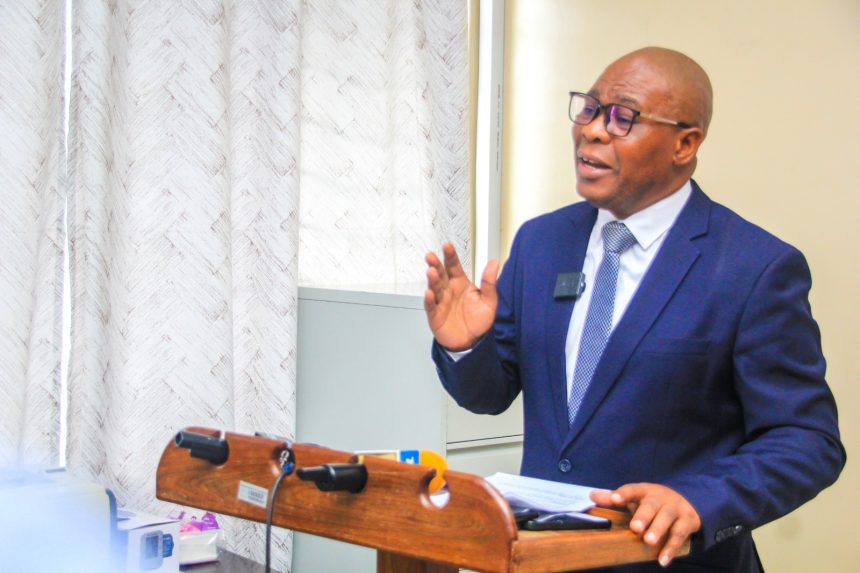
Mwanza Regional PCCB Head, Mr Abnery Mganga, disclosed this yesterday while briefing reporters in Mwanza City.
He said the recovered funds were used to settle delayed claims for 77 teachers whose allowances had been pending for six months due to administrative delays within the City Council.
However, Mr Mganga clarified that no evidence of corruption was detected during the Bureau’s review, noting that the council had implemented recommendations issued during a joint workshop between PCCB and council stakeholders.
“PCCB facilitated the payment of rightful claims to the 77 teachers,” he said.
On oversight of development funds, Mr Mganga said PCCB monitored 17 development projects worth 4.7bn/- between October and December last year to ensure compliance with required standards and value for money.
The projects included seven education initiatives valued at 1.6bn/-, three water projects worth 1.67bn/- and seven health projects amounting to 1.42bn/-.
Regarding prosecution, he said that between October and December 2025, PCCB secured convictions in two cases concluded during the period. During the same period, the Bureau received 59 reports, of which 24 involved alleged corruption offences and 35 were non-corruption matters.
Investigations have commenced on all corruptionrelated reports, while non-corruption complaints were either addressed through advisory services or referred to relevant authorities for further action.
Mr Mganga added that four new cases have been filed in court and are at various stages of hearing, while nine other cases remain ongoing.
Outlining priorities for the first quarter (January–March), he said PCCB will intensify public education campaigns on anti-corruption, investigate offences in line with the Prevention and Combating of Corruption Act, Cap 329, conduct system reviews and continue monitoring development projects.
“We urge residents to continue cooperating with PCCB in preventing corruption to safeguard the nation’s sustainable development,” he said.
He further noted that between October and December 2025, more than 7,000 people, including public servants, private sector representatives, youth, women and the elderly, received education on the adverse effects of corruption.
According to Mr Mganga, the outreach has strengthened public confidence and encouraged citizens to report corruption incidents without fear compared to previous years.