

- Eight additional aircraft in pipeline
SONGEA: VICE-PRESIDENT, Ambassador Emmanuel Nchimbi is today expected to lead thousands of Tanzanians in commemorating 120 years of the historic Maji Maji Rebellion.
The national event, held at the Maji Maji Museum in Songea, Ruvuma Region, serves as the climax of the annual Maji Maji Heroes Commemoration Festival.
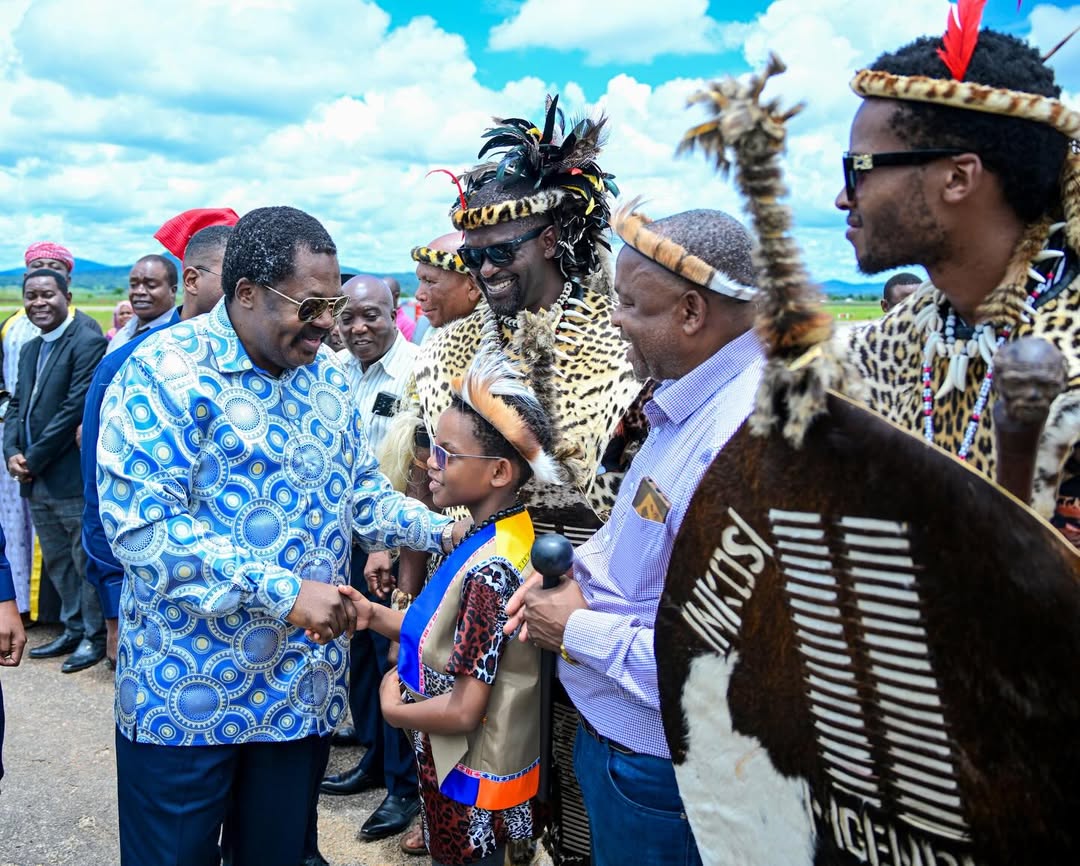
Dr Nchimbi arrived in Songea yesterday and was received at Songea Airport by Ruvuma Regional Commissioner, Brigadier General Ahmed Abbas, Deputy Minister for Natural Resources and Tourism Hamad Chande, CCM Ruvuma Regional Chairman Oddo Mwisho and a high level delegation of government, religious, and traditional leaders.
Notably, the welcoming party included Ngoni chiefs from South Africa and Malawi, underscoring the regional significance of the heritage.
The event is expected to feature a variety of cultural activities, historical exhibitions, and traditional performances, reflecting the rich heritage and identity of southern Tanzanian communities.
It serves both as a tribute to the bravery and sacrifice of the fallen heroes and as a reminder of the country’s shared history and enduring spirit of unity.
The Maji Maji Rebellion (1905– 1907) was a significant uprising led by spiritual leader Kinjikitile Ngwale, who united diverse tribes against German colonial rule, famously invoking “maji” (magic) to inspire resistance.
Key figures included Chief Songea Mbano, who led Ngoni warriors, among other leaders who were executed and became enduring symbols of resistance and unity.
ALSO READ: Tanzania urges Majimaji War chiefs’ participation in cultural diplomacy
The conflict, which lasted two years, claimed between 75,000 and 300,000 lives.
While many fell in battle, the majority of deaths were caused by a calculated famine triggered by Governor Gustav Adolf von Götzen’s ” scorched – earth ” tactics—a strategy many modern scholars describe as genocidal.
Following the ‘Scramble for Africa’ in the 1880s, Germany maintained a brutal grip on German East Africa (modern-day Tanzania, Rwanda, and Burundi).
The Maji Maji uprising proved that colonial authority was fragile when met with a united front.
Some historians even suggest that the spirit of Maji Maji influenced later liberation movements across the continent, including the Mau Mau Rebellion in Kenya.
Today’s commemoration in Songea ensures that the courage of the past continues to shape Tanzania’s national identity and its ongoing pursuit of unity and freedom.