
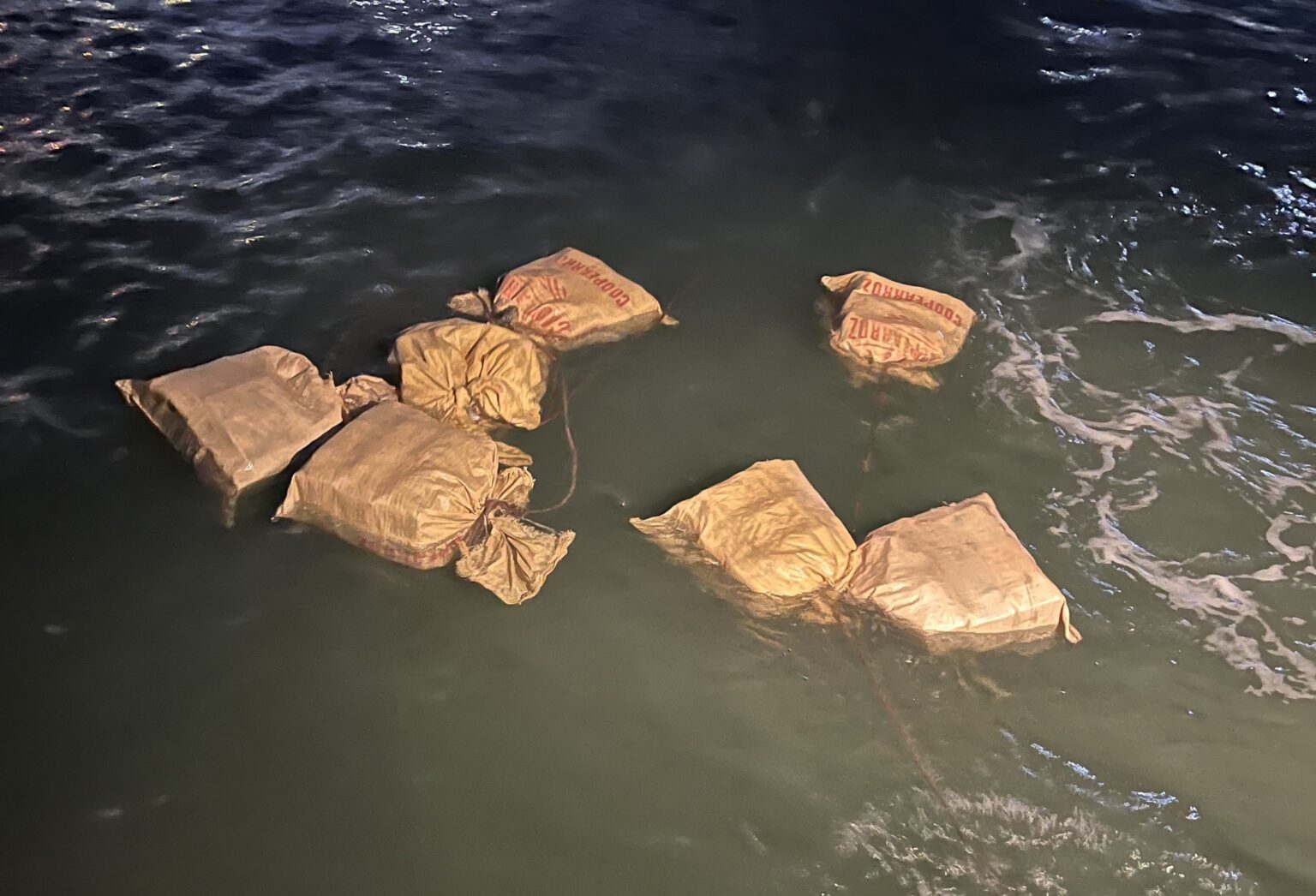

NAIROBI: THE report published by the Global Organised Crime Index, along with numerous other reports from within Kenya, demonstrates that Kenya is a popular destination for cocaine smuggling in the region, despite the EAC countries’ continued collaborative efforts to combat drugs.
Many of us are cognisant of the detrimental effects of drugs on the health and well-being of individuals, particularly young people. Nairobi, Kenya’s capital and economic hub, has increasingly been recognised as a significant node in the illicit drug trade, in addition to being a bustling metropolis.
This trend has serious implications for the nation’s security, social fabric and international standing, as revealed by DCI’s report, published in October 2025, which details how certain airports are being misused by unfaithful individuals. In recent years, Nairobi has become a drug-trafficking hub, as evidenced by numerous law enforcement operations and research reports.
The city serves as both a transit point for international narcotics and a burgeoning domestic market for synthetic and traditional drugs. I am confident that a significant number of people would concur with this assessment.
The DCI’s disclosure, as reported by www.tuko.co.ke shows that on-the-ground issues are more severe than they may appear in the news, even as this concerning development has prompted concern among government officials, security experts and civil society.
It underscores both the reputational cost of failing to curb the trade and the structural vulnerabilities in Kenya’s fight against organised crime. Reading in detail a report released by the Global Initiative Against Transnational Organised Crime (GI-TOC), authored by Jason Eligh, a senior expert and illicit drug market and policy analyst at the GITOC, one quickly realises that at the heart of the issue is Nairobi’s strategic geographical and logistical advantage.
As the region’s principal air and land transport hub, JKIA connects to dozens of international destinations. The city is an attractive transit point for traffickers moving illicit substances across continents, an activity happening under the noses of many who are supposed to control the illegal business.
In October 2025, Kenyan detectives, as reported by their own Kenyan media, dismantled a transnational cocaine trafficking ring operating through JKIA, arresting four suspects believed to be part of a broader network linking South America to Africa and beyond.
Authorities seized 750 grammes of cocaine and materials suspected of being used to conceal narcotics, highlighting the sophistication of smuggling methods employed by criminal networks.
Those interested in delving deeper into the story can look for the report released by the Global Initiative Against Transnational Organised Crime (GI-TOC) and authored by Jason Eligh, as well as another related report published by the Daily Nation English paper, which, when examined critically, indicates that Kenya is indeed a hub of the drug trafficking business.
Other reports also show that Kenya’s strong reciprocal cocaine trafficking links with cities like Mogadishu, Kampala and Addis Ababa underline Nairobi’s integration into transnational drug routes rather than its isolation from them.
Upon closely reviewing a report released by the Global Initiative Against Transnational Organised Crime (GI-TOC) and authored by Jason Eligh, a senior expert and illicit drug market and policy analyst at the GI-TOC, it becomes apparent that Nairobi’s strategic geographical and logistical advantage is the fundamental issue.
JKIA serves as the primary air and land transportation gateway for the region, providing connections to numerous international destinations.
The city serves as an appealing transit hub for traffickers who transport illicit substances across continents, a practice that goes unnoticed by the majority of those who are responsible for overseeing the illegal industry.
The sophistication of clandestine methods employed by criminal networks was underscored by the seizure of 750 grammes of cocaine and materials that are suspected of being used to conceal narcotics by authorities.
My analysis demonstrates that these patterns are not recent aberrations, but rather reflect decades-long trends in regional criminal networks that exploit porous borders, transport infrastructure and gaps in Kenyan enforcement for those who may not be aware that Kenya is a hub.
Consequently, Kenya is becoming a significant transit and market for heroin, particularly from Afghanistan and heroin trafficking is a significant issue. In reality, the Port of Mombasa serves as a critical entry point for illicit commerce, which is facilitated by corruption and inadequate government oversight.
Despite the implementation of measures to reduce trafficking, heroin consumption remains prevalent, exacerbating economic and societal difficulties.
In fact, the 2022 National Survey on the Status of Drugs and Substance Use, which was conducted by Kenya’s National Authority for the Campaign Against Alcohol and Drug Abuse (NACADA) in collaboration with the Kenya National Bureau of Statistics, supports the notion that drug and substance use significantly affects individual productivity and overall economic development.
ALSO READ: ARMFA appoints Tanzanian as new president for two-year term
The high prevalence of drug and substance use among youth and working-age adults undermines workforce participation and output. The investigation into root and logistics analysis, which was facilitated by an active participant who requested anonymity, clearly demonstrates that cocaine primarily enters Kenya through air and sea transport from Latin America, with Mombasa serving as a critical entry port.
The source also observed that the trade has grown in recent years as a result of the emergence of new trafficking routes and the increase in local consumption. The trade is facilitated by corruption, as perpetrators modify their strategies to avoid detection.
The economy and social fabric of Kenya have been significantly impacted by the fact that it has become a significant transshipment point for regional trade, which is associated with a variety of criminal activities. The severe repercussions, notably in terms of safeguarding the nation’s international reputation, are undeniable and Kenya is averse to public disclosure of such matters.
Nevertheless, the failure to resolve these issues will have severe repercussions for future generations in Kenya. As a researcher and economist with a comprehensive understanding of Kenya’s economic history, I must assert that the government that assumes power following the 2027 elections will have a significant amount of work to do in order to prevent Kenya from becoming a drug centre and hub. In addition, Kenya once had a robust economy.
The illicit trade of synthetic drugs, including MDMA and methamphetamine, is facilitated by corruption in the government and business sectors. I would like to offer a brief perspective to those who are not familiar with these matters. Trafficking networks exploit local corruption and existing markets in Kenya, which function as both a transshipment point and a growing market for synthetic drugs, as I write this article.
Methcathinone and methaqualone are among the substances that have been further diversified in Kenya’s domestic drug market as a result of the pervasive diversion of synthetic pharmaceuticals from legitimate medical channels. In clandestine laboratories, domestic methamphetamine production takes place. Synthetic drugs have a significant impact, particularly among young people in Kenya, despite their lower volumes than heroin. This is due to the fact that they stimulate addiction and violence.
However, Kenya is not only a transit point but also an increasingly significant market for consumption and distribution, which is a critical issue. A flagless vessel carrying over a tonne of crystal methamphetamine, an estimated value of over 63 million US dollars was intercepted in 2025 as a result of a significant INTERPOL-coordinated operation in Kenyan waters. This event underscores the international scale of the drug flows that pass through Kenyan territory.
I am cognisant that the Kenyan government has recognised the gravity of the drug issue and has implemented measures to strengthen the prosecution and enforcement of drug-related offences. According to Interior Cabinet Secretary Kipchumba Murkomen in January 2026, illicit drug trafficking and distribution have reached alarming levels, posing significant threats to public health, security and the nation’s future.
The Anti-Narcotics Unit (ANU) within the Directorate of Criminal Investigations (DCI) has been strengthened by the government, which has also expanded personnel, deployed multi-agency teams at critical entry points and designated special courts including at JKIA to expedite drug trafficking cases. However, despite these policy commitments, challenges persist and high-profile arrests have yet to deliver what most Kenyans expect in the fight against drugs.