
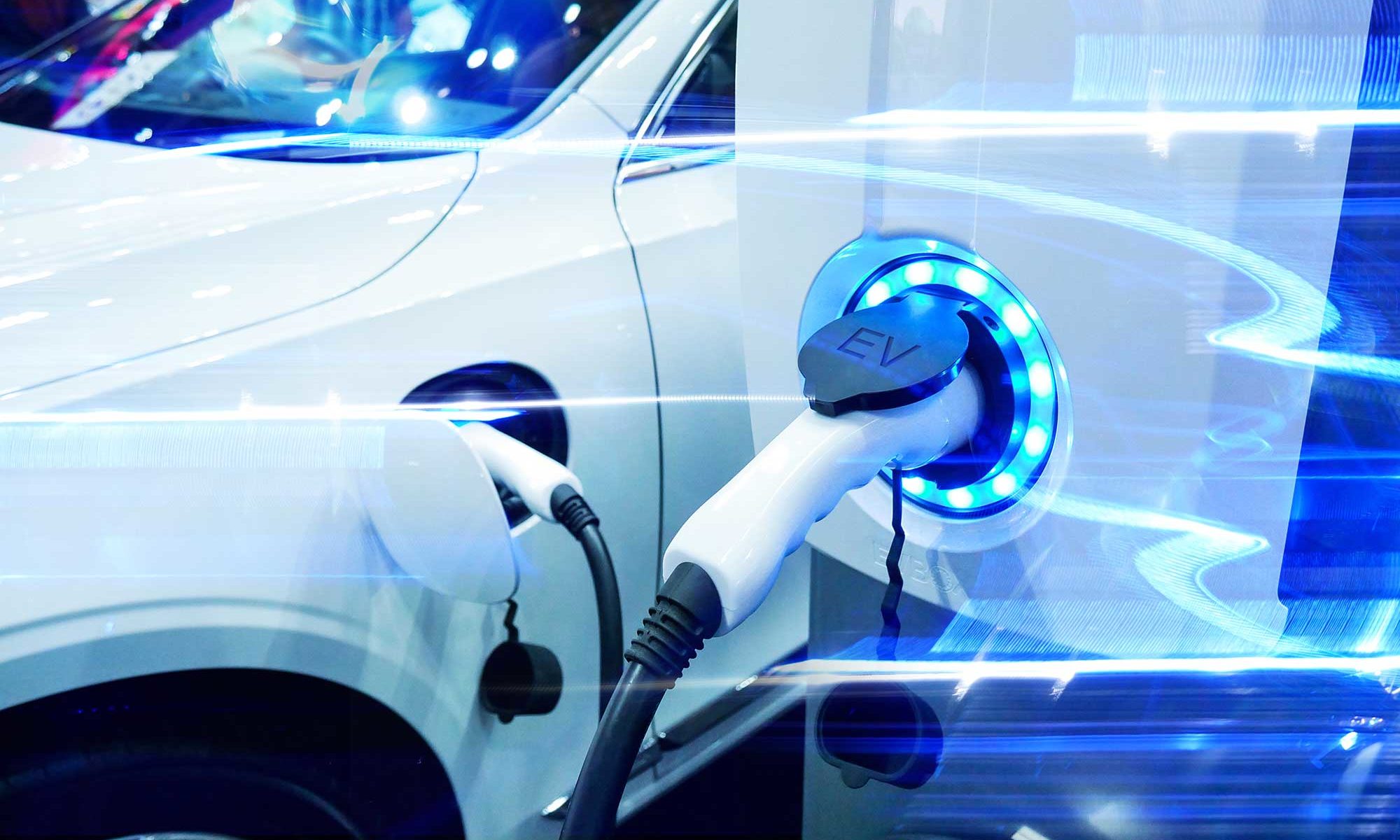

DAR ES SALAAM: THE Permanent Secretary in the Vice-President’s Office (Environment) Dr Richard Muyungi, has said that the government recognises and appreciates the efforts of innovators developing technologies that help reduce greenhouse gas emissions caused by fuel-powered vehicles.
Dr Muyungi made the remarks during a meeting with stakeholders from the Tanzania Electric Mobility Association (TAEMA) and the National Commission for Science and Technology (COSTECH) held in Dar es Salaam yesterday.
The meeting focused on discussing strategies to ensure the sustainability of electric mobility services in Tanzania. He urged stakeholders to expand electric transport services, noting that the country is now generating sufficient electricity, particularly from the Julius Nyerere Hydropower Project (JNHPP).
“We need stakeholders in the electric mobility sector to take full advantage of the availability of reliable electricity, as this will significantly contribute to reducing greenhouse gas emissions,” he said.
Dr Muyungi also commended COSTECH for its role in addressing climate change through research initiatives, including the Climate Change Research Programme.
ALSO READ: ‘Don’t impose unfriendly procurement terms on local suppliers’
He encouraged the Commission to invest further in climatechange mitigation technologies so that it becomes a key source of knowledge and innovation in tackling the challenge.
The PS further called on stakeholders to continue working closely with the government to promote sustainable development while reducing the pace of climate change.
On his part, TAEMA Chairperson, Dr Pius Chombo, said the Association’s key objectives include supporting the government in developing policies and legal frameworks that promote the growth of electric vehicles in the country.
He added that TAEMA also promotes the safe use of electric vehicle technologies and related infrastructure in line with international standards, while strengthening sector collaboration, skills development, and value addition in local manufacturing.
The meeting provided an opportunity for private-sector stakeholders to share practical experiences in operating electric vehicles, charging stations, and related services, in line with national priorities on climate change, urban transport, energy efficiency and industrial development.