

ARUSHA: IT is a big relief for Tanzanian women and their villages following a revised land policy that members of the National Assembly must ensure is effectively implemented.
It was revealed in Arusha today, February 17, 2026, that the parliamentarians have been urged to formulate laws that safeguard village land ownership and empower women to own properties.
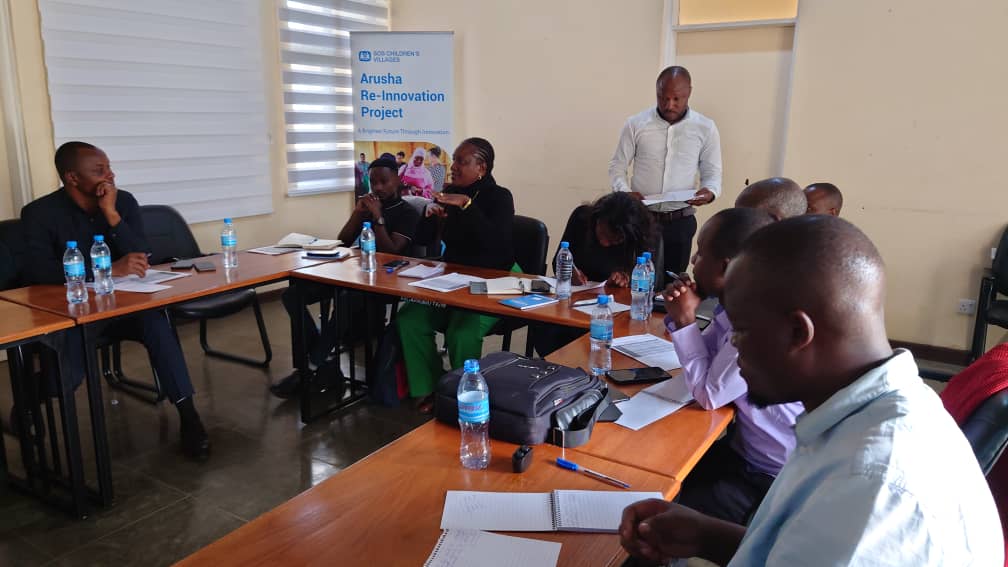
Representatives from at least 14 organisations across the country meeting in Arusha have been involved in policy dialogue meetings on strengthening engagement in the National Land Policy and Inclusive access to opportunities.
Among other things, the delegates are calling upon authorities to come up with a better and general definition of land other than the usual description of it being just the basis for investments.
“There is more to land than just the base for investments,” pointed out Cathbert Tomitho, the Executive Director at the Land Rights Research and Resources Institute (Haki-Ardhi).
“The land sector plays a crucial role in facilitating other sectors, including settlements, industry, agriculture, livestock, construction, communication, natural resources, tourism and energy,” said Tomith,o who is also a researcher.
He added that land as a resource was a crucial component in the implementation of national plans and strategies.
“Under the newly revised policy, it is now crucial to protect village land from being taken up by heavy investment projects,” the Haki-Ardhi official maintained.
ALSO READ: Tanzanian women benefit from training on digital access, financial literacy
The Advocacy Officer representing the Mbozi, Ileje and Isangati Consortium (MIICO), which is based in Mbeya, Gloria Mdindile, said their task after the meeting is to translate laws and policies into simple language so that ordinary peasants could understand.
On his part, the Land Officer from the Arusha (Rural) District, Jackline Shayo, said the revised policy was very much welcome, in that it gives women the rights and power to own and inherit land.
“In the past, many traditional laws prevented women from owning properties such as land, but under the revised policy, women are now being empowered to become land and property owners,” stated Ms Shayo.
At least 22 participants from a total of 14 organisations, including representatives from the Ministry of Land, Housing and Human Settlement Development, took part in the two-day discussions held at the SOS Children’s Villages in Arusha.
The organisations include Haki-Ardhi, MIICO, MHOLA, CHEMA Tanzania, ADP Mbozi, TIBA, PWC, Tanzania Natural Resources Forum (TNRF), MVIWARUSHA, CEDESOTA, WEGS, Pastoralist Indigenous Non-Government Organisations (PINGOs) Forum, HLDD, SOS Children’s Villages, and the Ujamaa Community Resource Team (URCT).
They are based in Arusha, Bukoba, Dar-es-salaam, Dodoma and Mbeya.
Advocate Valentina Clifford, the Senior Program Officer at the Land Rights and Research Institute (Haki-Ardhi) points out that after the land policy amendment, it is high time the changes get translated into laws.
“This will help solve land conflicts, especially in places where villages directly border conservation areas,” stated Advocate Clifford.
According to Valentina, under the new reviews, women will finally be able to make proper investments and empower themselves economically.
During the sessions, Land was described as a fundamental resource for economic and social development and the well-being of all people.
On the other hand, the Revised Tanzania National Land Policy 1995 (2023 Edition) seeks to address previous shortcomings, enhance land governance, and ensure equitable and sustainable land use across the nation.
The revised national land policy now ensures equitable Access to Land; Limits on Land Ownership, Land Tenure Security, Optimal and Sustainable Land Use, Improved Land Administration and Registration and Land Valuation and Compensation as well as addressing Gender Equality in Land Rights.