
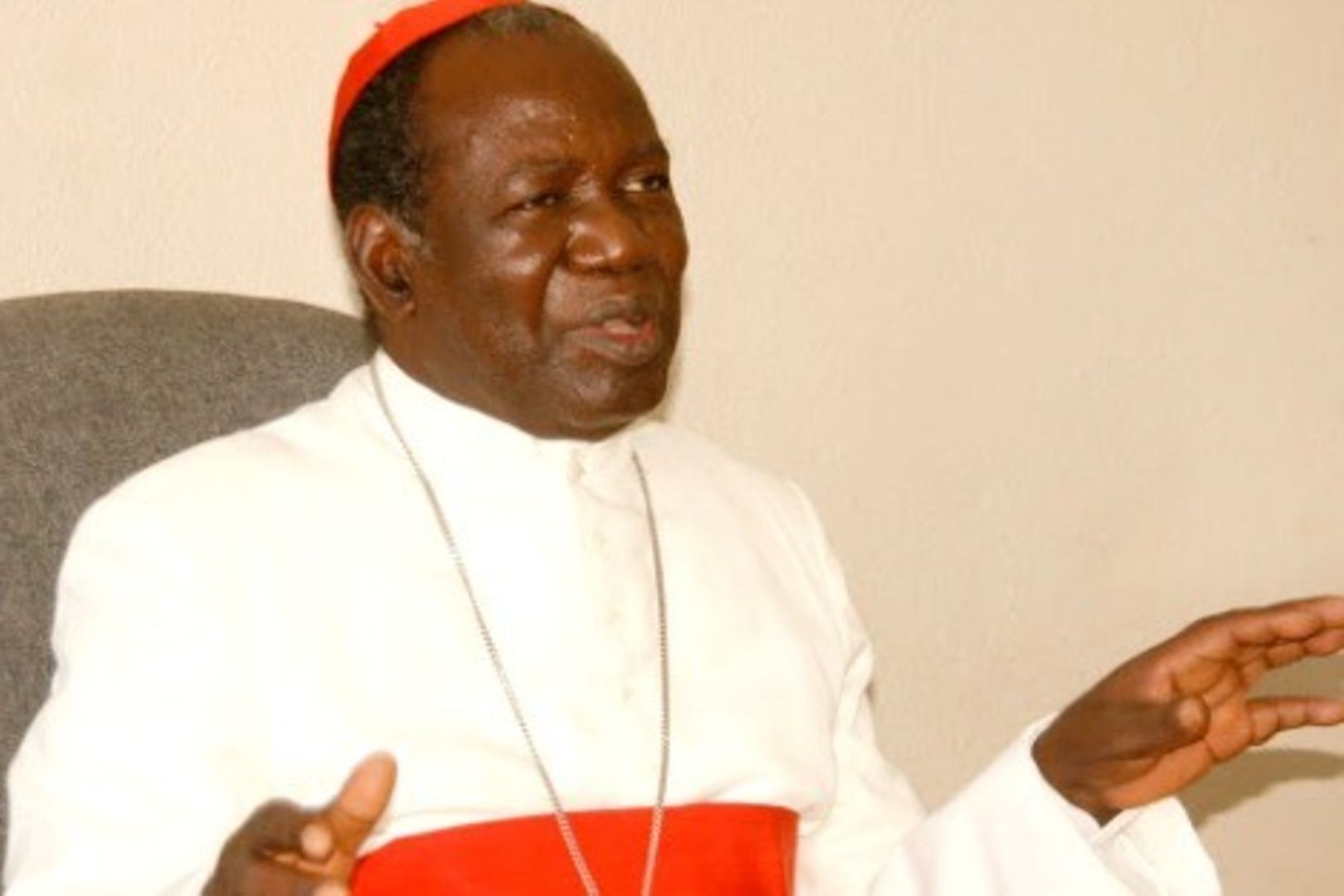

DAR ES SALAAM: HIS Eminence, Cardinal Polycarp Pengo, was a Tanzanian prelate of the Catholic Church who served as Archbishop of Dar es Salaam and became one of Africa’s most prominent Catholic leaders.
Born on 5 August 1944 in Mwazye, in what is now the Mbinga District , Cardinal Pengo was ordained a priest in 1971. He pursued further studies in moral theology in Rome, laying the intellectual foundation for his later leadership within the church.
In 1983, he was appointed Bishop of Nachingwea, and the following year, in 1984, he was consecrated, officially assuming his episcopal responsibilities.
In 1990, Cardinal Pengo was appointed Coadjutor Archbishop of Dar es Salaam, and in 1992, he succeeded as Archbishop of Dar es Salaam. During his tenure, he guided the local Church through periods of political and social transition, consistently addressing issues of ethics, governance, and social justice.
In 1998, he was elevated to the College of Cardinals by Pope John Paul II, becoming one of the youngest African cardinals at the time and second cardinal in Tanzania. As cardinal, he participated in the 2005 and 2013 conclaves that elected Pope Benedict XVI and Pope Francis, respectively.
ALSO READ: Polycarp Pengo: Tanzanians mourn the death of the retired Archbishop
Cardinal Pengo also served as President of the Tanzania Episcopal Conference and was known for his conservative theological positions and firm defense of Catholic teaching. He was an influential voice in public debates concerning morality, politics, and the role of religion in society. In 2019, Pope Francis accepted his resignation as Archbishop of Dar es Salaam upon reaching the customary retirement age, and he was succeeded by Archbishop Jude Thaddaeus Ruwa’ichi.
His Legacy as Archbishop of Dar es Salaam
During more than 29 years as Archbishop of the Archdiocese of Dar es Salaam (1990–2019), Cardinal Polycarp Pengo left a significant mark on both the Church and wider society.
He gave high priority to solid seminary formation and encouraged lay apostolic associations, such as the Catholic Women of Tanzania (WAWATA), to support seminaries, including Visiga Minor Seminary. Under his leadership, priestly vocations and formation structures were strengthened.
During his tenure, he strongly promoted the participation of WAWATA in priestly formation, and their remarkable success in organizing annual pilgrimages to St. Mary’s Visiga Seminary became a model for other dioceses, demonstrating how thousands of members could contribute substantial support to the seminary.
The archdiocese also witnessed significant growth in parishes, pastoral centers, Catholic schools, and social service projects. Cardinal Pengo placed strong emphasis on education as a tool for evangelization and community development.
During his leadership, he often prayed, “Lord, grant me the strength to serve before You call me away, so that I may see the Archdiocese of Dar es Salaam reach 100 parishes.” God blessed his vision and prayers, and by the time he retired in 2019, the archdiocese had grown to over 100 parishes.
He was a moral guide on issues of governance, corruption, family life, and the dignity of human life. Known for his firm defense of Catholic teaching, he combined prudence with discipline, focusing on preserving unity within the church. While some viewed him as reserved during periods of political tension, supporters recognized him as a prudent and protective leader.
His elevation to the College of Cardinals in 1998 further raised Tanzania’s profile within the universal Catholic Church, and he represented the country in major international church gatherings.
Overall, Cardinal Pengo’s legacy in the Archdiocese of Dar es Salaam is one of strengthening Church institutions, safeguarding Catholic doctrine, and providing long-term, stable leadership.
For many years, Cardinal Pengo had personally selected the site at the Pugu Pilgrimage Center where he wished to be laid to rest.
Rest in Peace Cardinal Pengo