
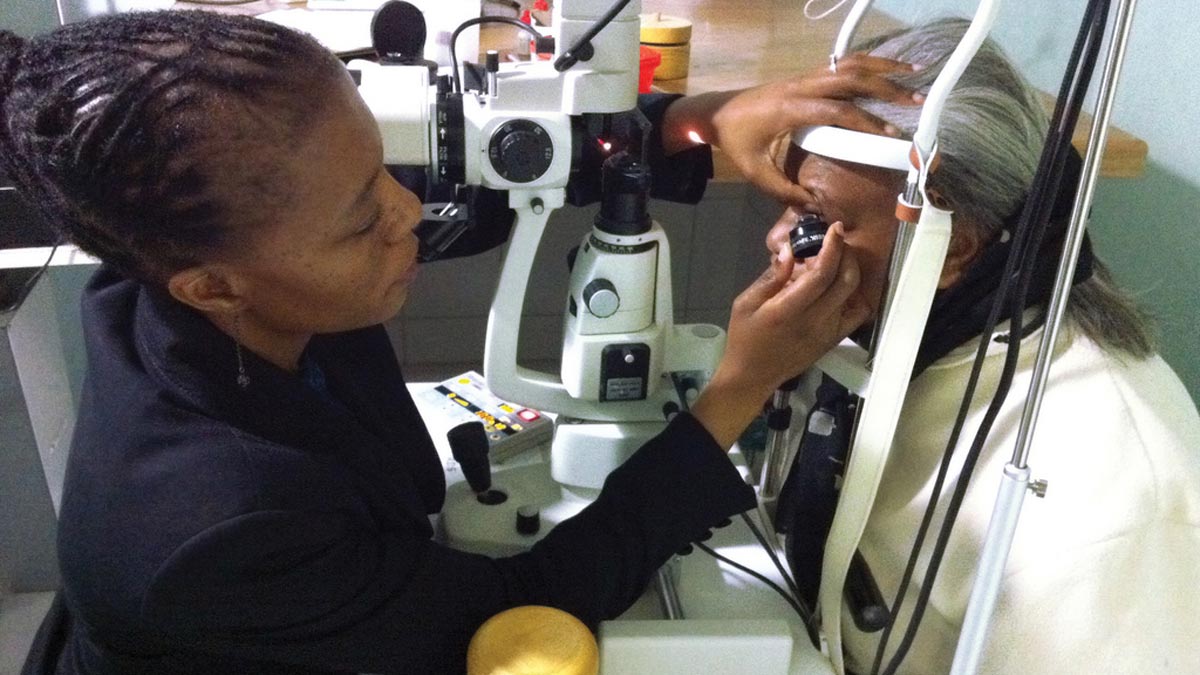

BUKOBA: LACK of regular medical checkups and environmental pollution have been cited as major factors contributing to the increase in eye problems facing most Tanzanians.
The revelation was made yesterday by Dr Charles Kahigi, an optician from the Bukoba Regional Referral Hospital (BRRH).
“Majority of the people risk contracting eye diseases as a result of predisposing factors, including trauma, genetic conditions, injuries, as well as ailments like high blood pressure, diabetes, glaucoma and trachoma,” he said.
He advised people aged 40 years and above to go for regular eye and eye pressure checkups, adding: “Parents, on the other hand, should ensure they take their children to the nearest health facility when they observe any abnormality in their eyes.”
However, Dr Kahigi cautioned the youth against the random use of spectacles without proper prescription from opticians, saying the habit could lead to total blindness in the long run.
He also advised the public to eat plenty of fruits and vegetables in their daily diet as a remedy for eye ailments. Recently, medics from the Bilal Muslim Association conducted eye clinic checkups in Bukoba Municipality, where about 5,000 patients turned up for treatment and 96 per cent of them underwent cataract operations.
ALSO READ: CCBRT offers free eye screening to commemorate World Sight Day
Dr Kahigi pointed out that a cataract is the clouding of the eye’s natural lens. The eye’s lens is mainly made up of water and protein and the proteins are arranged in such a way that the lens remains clear and allows light to pass through.
“As we grow older, some of these proteins may clump together and start to cloud a small area of the lens. That is why most aged people develop cataracts. In addition, glaucoma is an eye condition in which the optic nerve is damaged and causes vision loss,” Dr Kahigi said.
“Scientifically, the optic nerve is located at the back of the eye and transmits the images we see to the brain for interpretation. Glaucoma results in progressive damage to the optic nerve, which almost always begins with a subtle loss of peripheral (side) vision.”
According to Dr Kahigi, diabetic retinopathy is a complication caused by diabetes, where the retina (the light-sensitive tissue lining the inner surface of the eye) becomes damaged. Diabetes causes abnormal changes in the body’s blood sugar levels and high blood sugar can alter blood flow to the body’s organs, including the eyes.”