

MOSHI: TANZANIA has continued to shine in the diplomatic arena after hosting the International Forum on Cooperative Law for the first time on the African continent.
The remarks were made recently by the Acting Head of the Department of Law at the Moshi-based Moshi Cooperative University (MoCU) in Kilimanjaro Region, Mr Elias Mwigamba, during the 5th International Forum on Cooperative Law held in Moshi.
“We are particularly delighted and deeply honoured that, for the very first time in history, the International Forum on Cooperative Law is being organised in Africa, specifically in Tanzania, and is being hosted by the Moshi Cooperative University through its Department of Law,” he said.
He added that the milestone is both historic and symbolic, underscoring Africa’s growing influence in shaping global cooperative law and policy discourse.
Mr Mwigamba said the Bachelor of Laws (LL.B) programme was introduced at MoCU in the 2012/2013 academic year, enrolling an inaugural cohort of 45 students.
“From these humble beginnings, the Department has grown significantly and now accommodates approximately 800 students, including those enrolled in the LL.B programme and the one-year Certificate in Law programme,” he said.
He added that the growth reflects the rising demand for legal expertise in the cooperative sector and the confidence placed in the Department’s academic and professional standing.
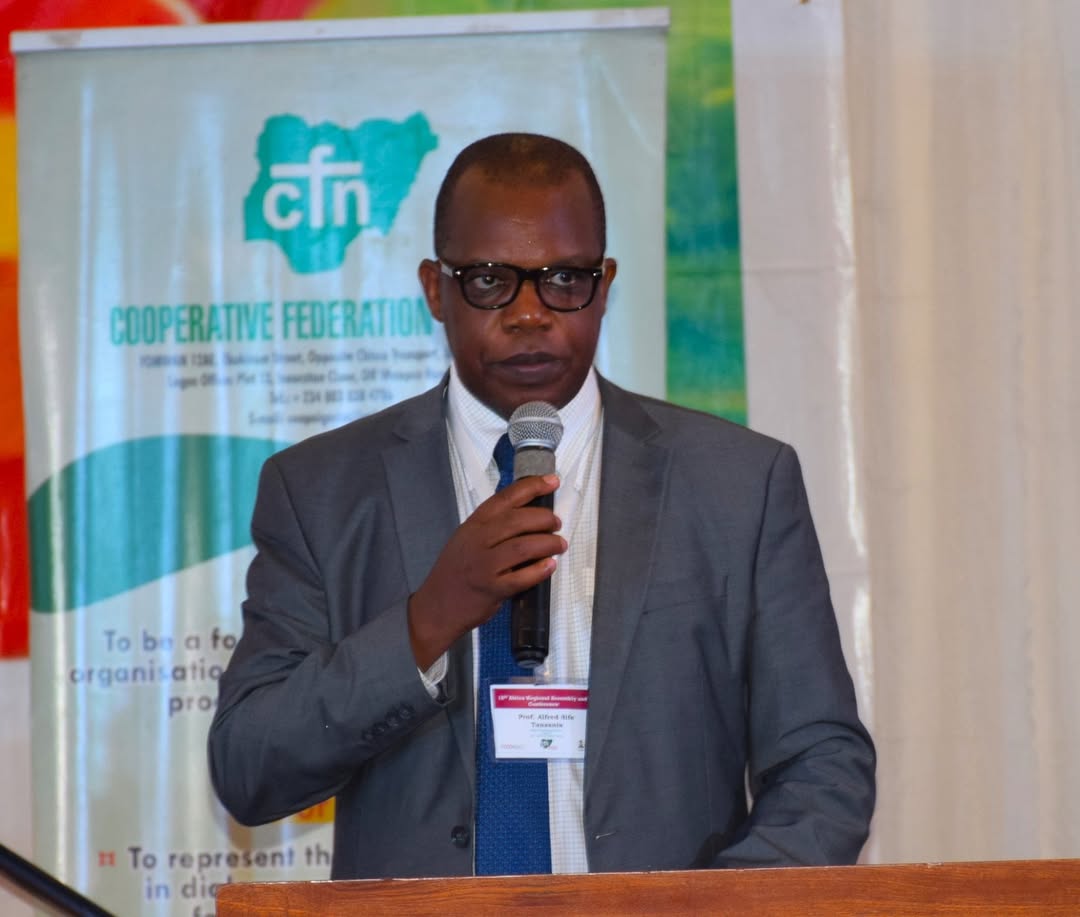
In his opening remarks as guest of honour, the MoCU Vice Chancellor, Prof Alfred Siffe, said the government’s support to the higher learning institution has significantly strengthened the university’s contribution to development processes both locally and internationally through its graduates.
ALSO READ: Chongolo demands transparency in cooperatives
“The government’s contribution has helped to improve MoCU through significant investments in educational infrastructure.
This has contributed to producing competent graduates who enter the job market and participate in various development activities inside and outside the country through the quality education they received at MoCU,” he noted.
Prof Siffe said that to ensure MoCU continues to be a centre of excellence in cooperative education in Africa, the university’s management has introduced educational programmes aimed at enhancing technological capacity.
“Other strategies focus on securing financial stability, setting strategic policies, strengthening infrastructure and fostering research and innovation to align higher education with national economic and social goals,” he said.
Commenting on the conference, Prof Siffe noted that the forum on cooperative law was appropriately hosted at MoCU due to the presence of a fullyfledged law department.
“The Department of Law under the Faculty of Business and Information Sciences (FBIS) is a key pillar in MoCU’s academic development as it ensures a stable and high standard legal framework, which is critical in higher learning processes,” he said.