
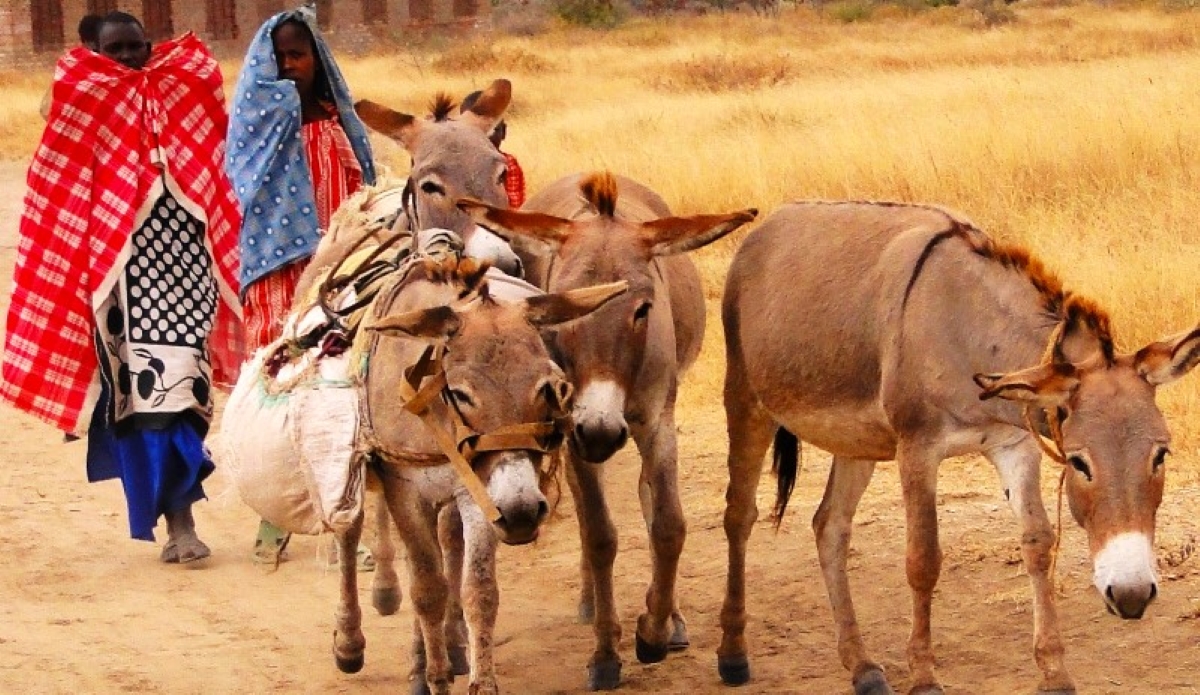

ARUSHA: TANZANIA is now planning to include the work animals, especially donkeys, in the ongoing nationwide exercise to identify, vaccinate, and collect data on all livestock in the country.
Addressing media outlets in Arusha, Dr Justine Kimanga, an official from the Northern Zone’s Veterinary Department in the Ministry of Livestock and Fisheries, said the exercise aims to update data on all domestic animals in Tanzania.
The campaign to identify and vaccinate livestock, including cattle, sheep, and goats includes the animal census to update the number of menageries in the country
“But we have just received proposals from the Arusha Society for the Protection of Animals (ASPA), to include donkeys in the national veterinary services because these work animals have always been forgotten,” he said.
Previously, during a special journalists’ engagement activity organized by the Arusha Society for the Protection of Animals (ASPA), in the city, it was pointed out that donkeys were still being sidelined in national livestock welfare procedures.
Dr Lazaro Mirama, a veterinary officer at the Arusha Society for the Protection of Animals (ASPA) explained that the donkey is an animal that is usually left out in national campaigns.
“National Animal Welfare services such as vaccination, census, and legal protection have always snubbed donkeys, despite the latter being an important species as far as rural transportation and farming activities are concerned,” said Dr Mirama.
ALSO READ: Tanzania assesses the infrastructural safety of the Tanga-Moshi road networks
In response to that, Dr Kimanga said Tanzania has started to take the donkey issue seriously, and so far, the Tanzanian government has already banned the slaughter, transportation, and smuggling of donkeys from the country
“All the ports of entry and exits have livestock and veterinary experts to reinforce the state order regarding the welfare of donkeys,” stated the Zonal Veterinary officer, adding that this time the work animals will also be included in the national vaccination and census exercises.
The Director of Arusha Society for the Protection of Animals (ASPA), Livingstone Masija, said despite efforts to protect donkeys, smuggling cases are still being reported.
“Donkeys are the animal that really serves the rural communities and poor households,” said Masija, pointing out that the donkeys lead in income generation activities among more than 70 percent of the rural population in Tanzania.
“But donkey handling is not good; they are still being mistreated, remain unprotected, and smuggling remains rife,” stated the ASPA Director.
The last time data on donkeys was taken was during the fiscal year 2019-2020, when the number of donkeys in the country was estimated to be 657,389.
Since then, there has been no update on the number of donkeys in the country. Experts are calling for a new census on the work animals.