
DODOMA: RURAL water coverage has reached 85.2 per cent, surpassing the 85 per cent target set for 2025 under the CCM election manifesto, the Ministry of Water has announced.
The milestone marks the fulfilment of one of the key commitments in the 2020–2025 manifesto, which directed that access to clean and safe water in rural areas should reach 85 per cent by 2025.
The manifesto also sets a separate target of 95 per cent water access in urban areas by the same year.
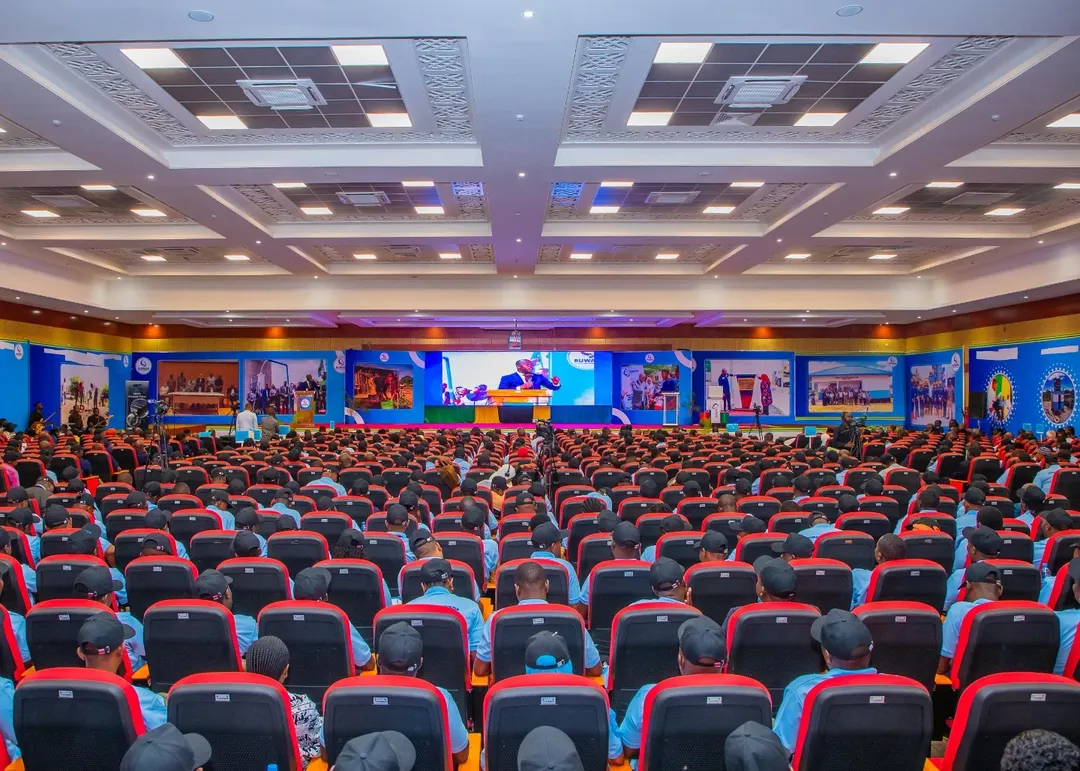
Minister for Water Jumaa Aweso, disclosed the latest figures yesterday while opening a meeting between the Ministry and Community-Based Water Supply Organisations (CBWSOs) in Dodoma.

“I congratulate the ministry, RUWASA and CBWSOs for surpassing the target by reaching 85.2 per cent rural water coverage,” he said.
According to the minister, water services have now reached 10,758 villages across the country, leaving 1,575 villages yet to be connected. He said that with sustained implementation and proper planning, universal coverage in all villages is achievable by 2030.
Mr Aweso called on the Rural Water Supply and Sanitation Agency (RUWASA) and CBWSOs to ensure uninterrupted service delivery, urging them to eliminate operational excuses such as power shortages affecting pumping systems.
He stressed that financial officers must plan electricity payments in advance to avoid service disruptions.
Mr Aweso also encouraged e private sector in water projects, noting that collaboration between public institutions and private investors has accelerated development in sectors such as health and education and could similarly strengthen rural water distribution.
He further directed the 931 registered CBWSOs to protect water sources and maintain quality standards, saying sustainable management of water resources is essential to the long-term goal of establishing a national water grid.
Earlier, RUWASA Director General, Engineer Walter Kirita, requested additional funding for continuous training of CBWSOs and support for financially constrained organisations to enhance operational efficiency.
Permanent Secretary in the Ministry of Water, Engineer Mwajuma Waziri, said CBWSOs currently manage water projects valued at more than 1.3 trillion shillings, underscoring the need for professionalism and accountability in serving communities that pay for water services.
Chairperson of CBWSO chairpersons, Mr Nicolaus Kombe, appealed for improved remuneration and clearer service contracts for leaders of the organisations, citing the expanding scale of responsibilities under rural water projects.
The Ministry maintains that sustained investment, improved governance and strengthened partnerships remain critical to expanding coverage and maintaining service standards nationwide.