
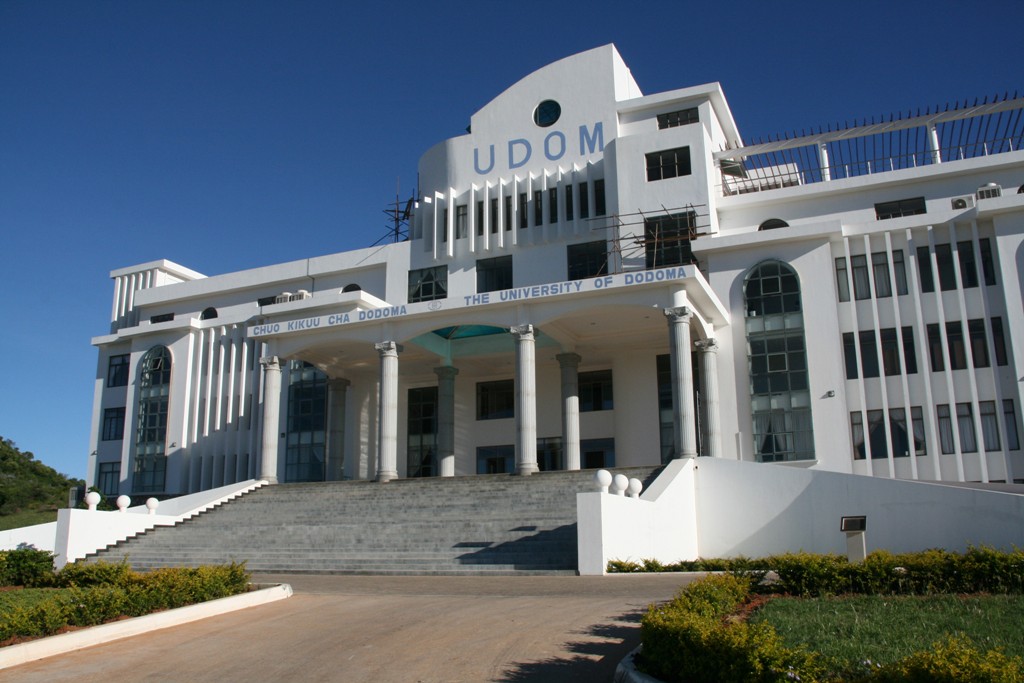

NJOMBE: UNIVERSITY of Dodoma (UDOM) has declared its ambition to transform Njombe into a commercially driven region.
The initiative will be powered by advanced research in agriculture, livestock, forestry, fisheries and mining through newly designed academic programmes tailored to the area’s economic strengths Instead of producing graduates for a general job market, the university is aligning its academic investment with Njombe’s dominant productive sectors, linking training, research and enterprise development to the realities of the local economy.
The programmes were unveiled last week before the Njombe Regional Advisory Committee in a meeting chaired by Regional Commissioner Anthony Mtaka and attended by Members of Parliament, local government leaders, private sector stakeholders, farmers, private tree farm owners and education representatives.
UDOM’s Director of Undergraduate Studies, Prof Godlisten Kombe, said the curricula were developed following consultations across the Southern Highlands to identify skills shortages limiting productivity and value addition.
“The programme integrates precision agriculture using drones and Geographic Information Systems, soil health engineering and international production standards such as GlobalGAP.
“The intention is to equip graduates with the technical capacity to improve yields, meet export standards and enhance farm profitability,” he said.
The process involved community members and industry players to ensure that the programmes reflect the competencies required for self-employment, business creation and sectoral competitiveness.
In its initial phase, Njombe campus will offer three undergraduate degree programmes and eight diploma and certificate courses focused on agriculture, forestry, livestock, fisheries and mining.
The structure is designed to strengthen value chains and formalise technical expertise in sectors that generate the bulk of regional income.
Among the flagship programmes is the Bachelor of Science in Crop Production and Farm Management, which aims to modernise agricultural practices in a region known for high-value crops and commercial farming.
Prof Kombe said for Njombe’s agricultural economy, this approach could improve compliance with international market requirements, attract agribusiness investment and stimulate demand for services such as irrigation systems, storage facilities, agro-processing and logistics.
As production becomes more standardised and technology-driven, farmers may be better positioned to integrate into regional and global supply chains.
Further he said the Bachelor of Science in Sustainable Forestry Management responds to the region’s strong forestry base.
“The curriculum covers scientific silviculture, carbon auditing, international forest certification standards and forest risk management, including fire control.
“With rising global interest in carbon markets, expertise in carbon accounting and environmental compliance may open additional revenue streams linked to climate finance,” he noted adding forestry investors and private growers stand to benefit from improved professional management and adherence to international sustainability standards.
In addition, at diploma and certificate levels, UDOM plans to introduce programmes in Agro-Food Processing and Value Addition, Wood Science and Technology, Agribusiness with Technology, Aquaculture and Fisheries Management, Forest Management and Conservation, Crop Production and Farm Management, Animal Health and Production and Sustainable Mining Operations.
ALSO READ: 20bn HEET project: UDOM pushes for early completion
These courses target mid-level technical skills required to strengthen small and medium enterprises operating along regional value chains.
Agro-processing training could help convert raw produce into higher-value products, reduce post-harvest losses and increase margins for producers.
In the timber industry, knowledge in wood science and technology may enhance product quality and operational efficiency.
Agribusiness education combines technical knowledge with entrepreneurship, preparing graduates to manage commercially viable ventures in farming, processing and distribution.
The Aquaculture and Fisheries Management programme will focus on freshwater fish farming, including trout and climate-resilient tilapia species.
Training will include hatchery management, feed production and modern aquaculture systems.
By promoting commercial fish farming, the university aims to diversify income sources, create employment opportunities and strengthen food security in a region with suitable ecological conditions for aquaculture expansion.
UDOM Vice Chancellor Prof Lughano Kusiluka said the initiative aligns with the government’s objective of ensuring that universities produce graduates capable of self-employment and effective participation in the labour market.
He said that aligning academic programmes with the economic activities of Njombe and the Southern Highlands provides students with practical knowledge relevant to existing industries and emerging opportunities.
The proposed curricula will be submitted for accreditation to the Tanzania Commission for Universities and the National Council for Technical and Vocational Education and Training after incorporating stakeholder input.
Prof Kusiluka said the Njombe campus which worth 20bn/- is being developed under the Higher Education for Economic Transformation (HEET) project, a government initiative supported by the World Bank.
The project is intended to expand higher education infrastructure, improve quality and align academic output with labour market needs.
The construction of academic and administrative buildings is ongoing, and the university expects to begin admitting students in the 2026/27 academic year.
Njombe Regional Commissioner Anthony Mtaka praised the university’s consultative approach, describing the decision to involve farmers, businesspeople and local leaders in shaping the new campus programmes as a milestone in higher education planning.
“Their consultation marks the importance of aligning university curricula with the actual economic needs and priorities of Njombe’s communities and industries,” Mr Mtaka said.
He said it was significant for a university to seek community input before finalising academic offerings, noting that this approach demonstrates recognition of local knowledge in enhancing employability and driving regional development.
For Njombe, the integration of higher education with productive sectors represents a shift toward a knowledge-based regional economy.
By linking research, technology and enterprise to agriculture, forestry, fisheries, livestock and mining, the university is positioning the region to strengthen productivity, attract investment and build a more diversified economic base.