
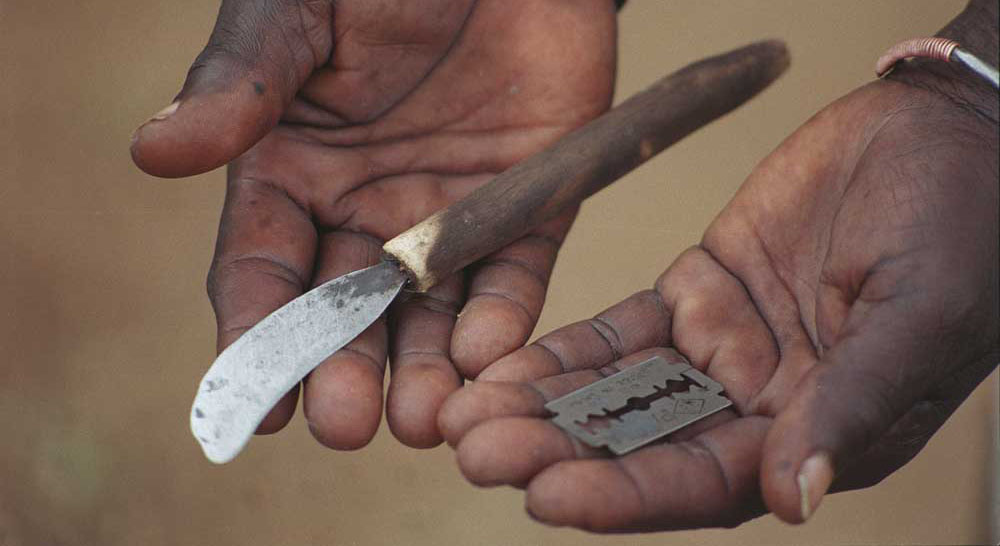

DAR ES SALAAM: MORE than 8.2 per cent of Tanzanian women aged 15 to 49 have undergone Female Genital Mutilation (FGM), according to the 2022 Tanzania Demographic and Health Survey (TDHS), with prevalence reaching as high as 58 per cent in some regions.
Against this backdrop, the government has launched a new five-year National Multi-Sectoral Strategy aimed at accelerating the elimination of the practice in high-risk districts.
The strategy, covering 2025/26 to 2029/30, was officially launched in Monduli District, Arusha Region, during the International Day of Zero Tolerance for Female Genital Mutilation.
The event was led by the Minister for Community Development, Gender, Women and Special Groups, Dr Dorothy Gwajima. While national prevalence has declined significantly from 18 per cent in 1996 and 10 per cent in 2016 to 8.2 per cent in 2022, regional disparities remain stark.
Data from the 2022 TDHS and UNFPA Tanzania regional analyses show that prevalence stands at 58 per cent in Manyara, 47 per cent in Dodoma, 41 per cent in Arusha and 32 per cent in Mara.
These figures explain why Monduli, located in one of the high-prevalence regions, was selected for the national launch. Further data from UNFPA Tanzania indicate that approximately 35 per cent of girls who undergo FGM are cut before the age of one, reflecting a shift toward early-childhood cutting.
This emerging pattern reinforces the need to involve maternal health clinics, immunisation services and community health workers more directly in prevention efforts. Globally, UNICEF and UNFPA estimate that more than 230 million women and girls are survivors of FGM, with around 4.5 million girls at risk in 2026 alone.
ALSO READ: Three women, one mission, no limits
These figures place Tanzania’s efforts within a broader international push to eliminate the practice by 2030. Unlike earlier approaches that focused largely on community sensitisation, the new strategy adopts a multi-sectoral framework that integrates prevention, enforcement and support services across government systems.
The response now formally brings together health services to manage complications and detect cases early, education systems to support reporting and awareness, Local Government Authorities (LGAs) to incorporate anti-FGM activities into annual budgets, and justice institutions to strengthen enforcement of existing laws.
Dr Gwajima said the framework is intended to ensure prevention efforts are sustained and impactful, particularly in regions where the practice remains prevalent.
“The strategy also introduces structured monitoring mechanisms to track progress toward national targets aligned with the 2030 Sustainable Development Goals, allowing implementation to be assessed based on measurable reductions in reported cases,” she said.
The Minister emphasised the importance of involving men and traditional leaders in prevention efforts. In Monduli, male community members publicly pledged to oppose FGM, while traditional leader Laigwanan Natuli Letema affirmed continued collaboration with the Government to discourage harmful practices and promote community education.
For families in Arusha, Manyara and other affected regions, the strategy represents a move from isolated campaigns to coordinated systems of protection. By linking health services, schools, local budgets and community leadership structures, the Government aims to close implementation gaps and reduce new cases over the next five years.