
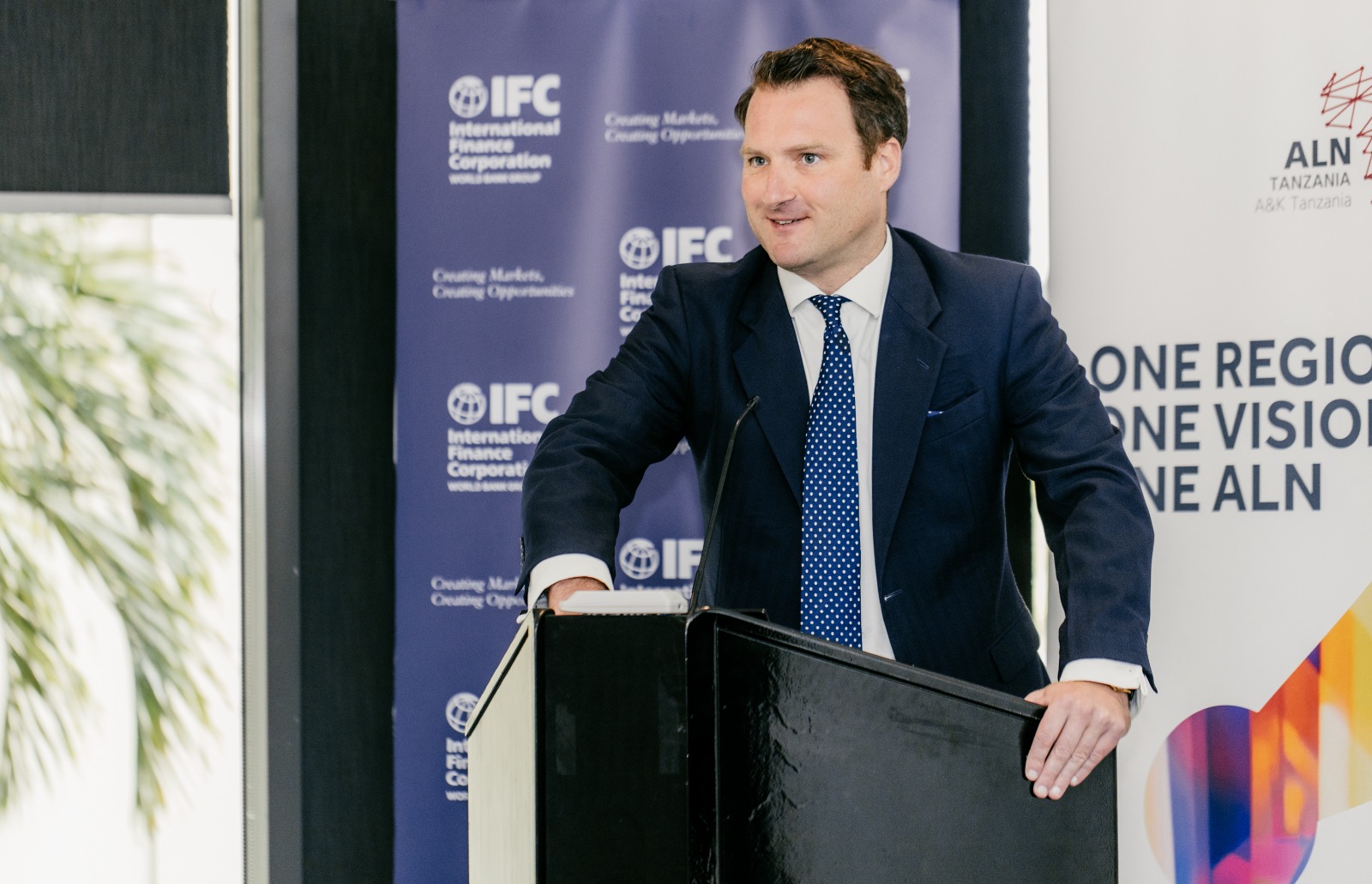

DAR ES SALAAM: ALN Tanzania, a legal and business advisory firm, has called on Tanzanian family businesses to move beyond the informal structures that may have benefitted them in their early years, and to embrace structured governance models.
This will enable them to safeguard generational wealth and ensure their continued prosperity, and to attract external investment.
The call was made during the final instalment of the Family Business Resilience & Growth Knowledge Series, hosted in collaboration with the International Finance Corporation (IFC) in Dar es Salaam this week. The tripartite series explored family governance foundations, board structures, and family constitutions in earlier sessions, culminating in this final discussion on succession and leadership transition.
Addressing founders and next-generation leaders from across Tanzania’s private sector, Ms. Shemane Amin, Country Partner at ALN Tanzania, emphasised that continuity in family enterprises does not happen by assumption; it must be deliberately designed.
“Many family businesses grow successfully in their early years based on trust and informal decision-making,” she said.
“However, as businesses expand and generational involvement increases, structure becomes essential to protect both the enterprise and family unity.”
She said that the firm initiated the series to provide family business owners with practical frameworks for governance, succession planning, and leadership clarity; areas that often determine whether businesses survive beyond the founding generation.
Mr Edward Williams, Director at ALN Tanzania, underscored the importance of early succession planning, cautioning against reactive transitions.
“One of the most common misconceptions in family enterprises is that succession begins when the founder is ready to step back,” he said. “In reality, succession begins much earlier. The most successful transitions are those where leadership development, shareholder structures and governance systems are already in place”, he said.
He observed that as Tanzanian businesses grow in value and complexity, formal shareholder agreements, family constitutions, clearly defined executive mandates and independent oversight mechanisms become critical in preserving long-term value.
Ms Mona Doshi, ALN Partner based in Mombasa, highlighted the importance of structured family employment policies in strengthening enterprise resilience.
“As families expand across generations, clarity around eligibility, performance standards and accountability helps prevent internal conflict and reinforces merit-based leadership” she noted.
She encouraged business owners to institutionalise governance processes which balance legacy with professionalism, ensuring that leadership transitions are based on preparedness rather than proximity.
Representing IFC, Ms. Rose Lumumba reinforced the notion that structured governance is increasingly linked to investment readiness and long-term sustainability.
ALSO READ: Tanzania, Algeria regulators move to boost cooperation in oil, gas exploration
“Family enterprises that embed governance frameworks early are better positioned to attract capital, scale responsibly, and withstand generational transitions,” she said.
Participants agreed that family-owned enterprises play a pivotal role in Tanzania’s economy, and that their ability to institutionalise leadership and governance structures will shape the resilience of the broader private sector.
Globally, studies indicate that while family businesses account for over 60 percent of private sector activity, only around 30 percent successfully transition to the second generation, and fewer than 15 percent survive to the third. Industry experts note that structured succession planning and governance discipline significantly improve those transition outcomes.
ALN Tanzania advises family enterprises on governance structuring, succession planning, shareholder arrangements, and cross-border wealth management solutions, supporting businesses as they evolve from founder-led entities into enduring institutions.