
DAR ES SALAAM: AS children transition from childhood into adolescence, they undergo puberty, a natural stage of development marked by significant physical, emotional and social changes. These changes affect all young people, regardless of background or ability, and are widely understood as a normal part of growing up.
Families, schools and communities often play a key role in guiding adolescents through this stage, helping them understand their bodies, emotions, and social relationships. However, for children with special needs, puberty often presents far more complex challenges. While their bodies experience the same biological changes as their peers, their access to appropriate information, support systems, and learning resources is often limited.
This makes the transition more difficult and, in many cases, overwhelming. As a result, these children require more tailored guidance, specialised education approaches, and greater understanding from the people around them.
Despite the growing global emphasis on inclusive education, reproductive health education for children with disabilities remains significantly under-addressed in many communities.
In practice, this gap means that many children with special needs do not receive adequate or timely information about puberty, menstruation, hygiene, relationships or bodily autonomy.
Several factors contribute to this situation, including limited educational materials adapted for different learning needs, persistent social stigma around disability, and widespread misconceptions about the sexuality and development of children with disabilities.
Because of these challenges, many children are left vulnerable to confusion and misinformation. Without proper guidance, they may not understand the physical changes occurring in their bodies or how to manage them effectively. This can lead to poor hygiene practices, embarrassment, fear, and in some cases, withdrawal from school or social activities.
The lack of information can also increase their exposure to abuse and exploitation, as they may not fully understand personal boundaries or how to recognise unsafe situations. In response to these concerns, various stakeholders in education and health have begun calling for stronger, more inclusive reproductive health education systems.
These efforts emphasise the importance of ensuring that children with special needs are not left behind, but instead receive comprehensive, accessible, and age-appropriate information.
This includes education on safe menstrual hygiene management for girls, as well as broader guidance on puberty and personal care for all children. One of the individuals advocating strongly for this cause is Nuru Yetu Foundation Director, Ms Zauja Mohammed.
She has consistently emphasised the need for society to strengthen reproductive health education for children with special needs, highlighting that these children face unique challenges during puberty that require deliberate attention and support.
According to her, empowering these children with knowledge is not optional but essential for their dignity, confidence and long-term wellbeing. Her advocacy is supported by ongoing initiatives carried out by the Nuru Yetu Foundation.
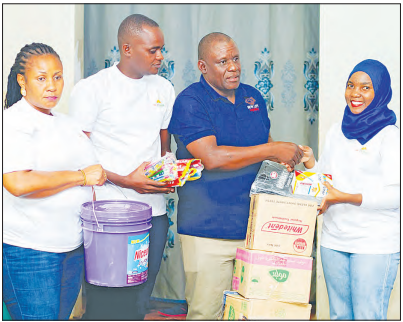
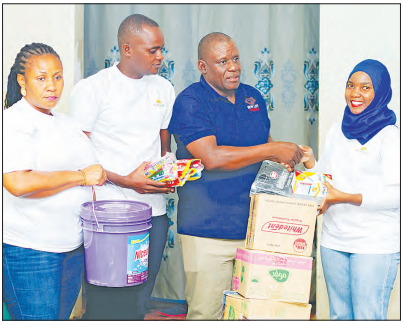
The organisation has been actively working with vulnerable children by providing essential support, including food supplies, school materials such as notebooks and pens, and sanitary pads for girls.
These sanitary products are intended to meet their needs for an extended period, ensuring that they can manage menstruation with dignity and without interruption to their daily activities, particularly schooling. Beyond material support, the foundation also conducts reproductive health education sessions specifically designed for children with special needs.
These sessions are structured in a way that takes into account different learning abilities and communication styles, ensuring that the information is accessible and understandable. The aim is not only to provide knowledge but also to build confidence and encourage self-care practices that children can carry into adulthood.
Such interventions go beyond immediate assistance. They represent a deeper investment in the dignity, confidence, and lifelong empowerment of children with disabilities. By combining practical support with education, these programmes help create a foundation for healthier and more informed future generations.
Ms Mohammed has stressed the lasting impact of education, noting that once knowledge is given to a child, it becomes a permanent part of their life.
She explained that education does not disappear and remains with the individual, shaping their understanding and behaviour over time. In her words, a girl who is educated about her body and health will not only benefit personally but will also pass that knowledge on to others around her. She highlighted that such a child can become a source of information within her family, teaching siblings, relatives, and even members of the wider community.
This ripple effect demonstrates how education can extend far beyond the individual, gradually transforming entire households and helping to correct misinformation that may have existed for generations. For children with special needs, access to reproductive health education can be truly transformative.
Many of these children—whether they have intellectual, hearing, visual, or physical disabilities—experience puberty in the same way as other children. However, they are often excluded from receiving adequate information about menstruation, hygiene practices, emotional changes, relationships, and personal boundaries. In some situations, parents and caregivers may feel uncomfortable discussing reproductive health topics with their children.
ALSO READ: China and Tanzania deepen strategic partnership through high-level diplomatic talks
In other cases, there may be a mistaken belief that children with disabilities do not require such information.
This misconception can have serious consequences, as it leaves children unprepared for the changes they experience during adolescence. Without proper preparation, girls may experience their first menstrual cycle without understanding what is happening, leading to fear, confusion, or shame. Boys, too, may struggle to understand the emotional and physical changes they experience, which can affect their confidence and behaviour.
These gaps in knowledge can create unnecessary stress during an already challenging stage of life. The absence of reproductive health education also increases vulnerability to exploitation and abuse. When children do not understand concepts such as consent, personal boundaries, and self-protection, they are less able to identify or respond to unsafe situations.
Education in these areas is therefore not only about health but also about safeguarding children from harm. Menstrual hygiene management is one of the most critical challenges facing girls with special needs.
Even under normal circumstances, managing menstruation requires knowledge, resources, and privacy. For girls with disabilities, the challenges can be significantly greater due to communication barriers, mobility limitations, or lack of accessible sanitation facilities in schools and communities. In many societies, menstruation is still surrounded by cultural myths, taboos, and stigma.
These beliefs often discourage open discussion and prevent girls from seeking help or asking questions. As a result, some girls may miss school during their menstrual periods, which can negatively affect their academic performance, confidence, and long-term educational opportunities. Providing sanitary pads and practical guidance on menstrual hygiene can therefore make a significant difference in their lives.
Access to these products ensures that girls can maintain proper hygiene, continue attending school, and participate in daily activities without fear or shame. It also helps normalise menstruation as a natural biological process rather than something to be hidden or avoided.
Sustainable improvement in this area requires education that is specifically adapted to the needs of children with different abilities. This may include the use of visual learning materials, sign language interpretation, simplified teaching approaches, and active involvement of caregivers. Such adaptations ensure that no child is excluded from learning due to their disability.
Community involvement is equally important in supporting inclusive reproductive health education. Parents, teachers, healthcare workers, and local leaders all have a responsibility to create an environment where children feel safe, respected, and supported.
Open communication within families and communities helps to reduce stigma and encourages children to ask questions without fear. Schools are particularly important spaces for delivering this kind of education.
With appropriate training, teachers can provide ageappropriate lessons that help students understand puberty in a supportive and respectful environment. Schools also play a role in promoting selfconfidence, healthy habits, and mutual respect among students.
Organisations such as Nuru Yetu Foundation demonstrate how collaborative efforts can lead to meaningful change. By combining educational programmes with practical assistance, they address both immediate needs and long-term development goals for children with special needs.
Their work highlights an important principle: inclusion is not only about physical access to schools or services but also about ensuring equal access to knowledge and life skills. True inclusion means equipping every child with the tools they need to live safely, confidently and independently. As countries continue to promote inclusive development agendas, the needs of children with disabilities must remain a central priority.
Investment in reproductive health education can lead to improved health outcomes, higher school attendance, and stronger participation in social and community life. Ultimately, every child deserves the opportunity to understand their body, protect their health, and grow into adulthood with confidence. Puberty should not be a time of fear, confusion, or isolation.
With the right education, guidance, and community support, children with special needs can navigate this stage of life successfully. Ms Mohammed’s message serves as a timely reminder that strengthening reproductive health education is both a moral and social responsibility.
When society invests in knowledge and inclusion, it empowers its most vulnerable members and builds a stronger, more informed future for all. The principle is clear and enduring: when knowledge is shared, it becomes empowerment. And when every child is empowered, entire communities grow stronger together.