
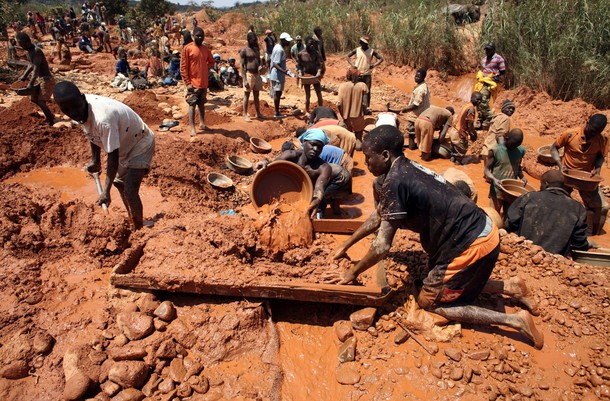
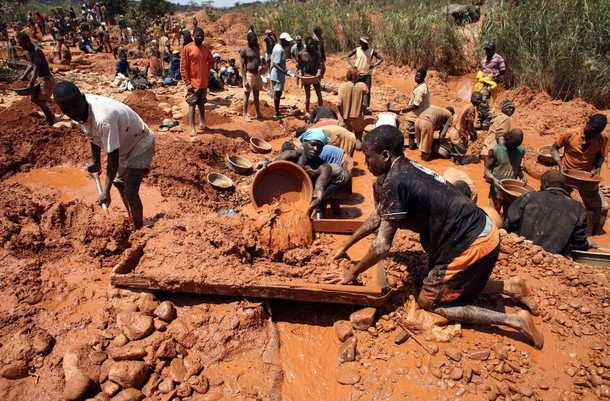
DAR ES SALAAM: FOR decades, Tanzania’s small-scale mining sector has operated under immense challenges. While the industry has provided employment for thousands and contributed significantly to national revenue, many miners have been forced to rely on guesswork rather than science when exploring and extracting minerals.
The result has often been low productivity, financial losses, environmental concerns and missed opportunities. The government’s decision to establish a Mineral Research Fund financed through the retention of 10 per cent of gross mineral revenue collections is therefore a timely and transformative intervention.
The initiative demonstrates a strategic shift in the way Tanzania views its mineral resources and the role of small-scale miners in national development. Rather than treating miners merely as revenue generators, the government is investing directly in their capacity to succeed. This approach recognises a simple but important reality: sustainable mining begins with knowledge.
Reliable geological information is the foundation of any successful mining venture. Without accurate data, miners spend valuable time and resources searching for deposits that may not exist or may not be commercially viable. Such uncertainty discourages financial institutions from providing loans and limits opportunities for growth. By financing research and expanding geological surveys, the government is helping miners reduce risks, make informed decisions and improve productivity.
The move is also consistent with the objectives of the Mining Vision 2030, which seeks to increase detailed mineral survey coverage from 16 per cent to 50 per cent by the end of the decade.
This ambitious target reflects an understanding that Tanzania cannot maximise the benefits of its mineral wealth if exploration remains limited. More geological data will not only benefit small-scale miners but also strengthen investor confidence and improve the overall competitiveness of the mining sector.
Equally commendable is the government’s commitment to complement research with practical support. The deployment of modern drilling rigs through the State Mining Corporation (STAMICO) and the Geological Survey of Tanzania (GST) provides miners with access to services that would otherwise be beyond their reach. Such interventions can help transform mining from a largely informal activity into a modern, professional and commercially viable industry.
The recommendations contained in the newly launched report also deserve serious consideration. Strengthening financing mechanisms, promoting modern technology, improving market systems and supporting value addition are all essential steps toward unlocking the full potential of small-scale mining.
The proposal to establish a Mineral Development Fund and eventually a Small-Scale Miners Bank could be game-changing, especially for miners who possess promising concessions but lack collateral and technical documentation required by conventional lenders.
ALSO READ: Mining powers past Vision 2025 goal, revenue tops 1tri/-
Importantly, the reforms acknowledge the significant contribution of smallscale miners, who account for about 40 per cent of mining revenues and provide livelihoods for thousands of Tanzanians, including women and youth. Supporting their growth is not merely an economic decision; it is a social and developmental imperative.
However, success will depend on effective implementation, transparency and strong collaboration among government institutions, financial institutions, research bodies, universities and miners themselves. Research findings must be accessible, funding mechanisms must be accountable and training programmes must reach those who need them most.