
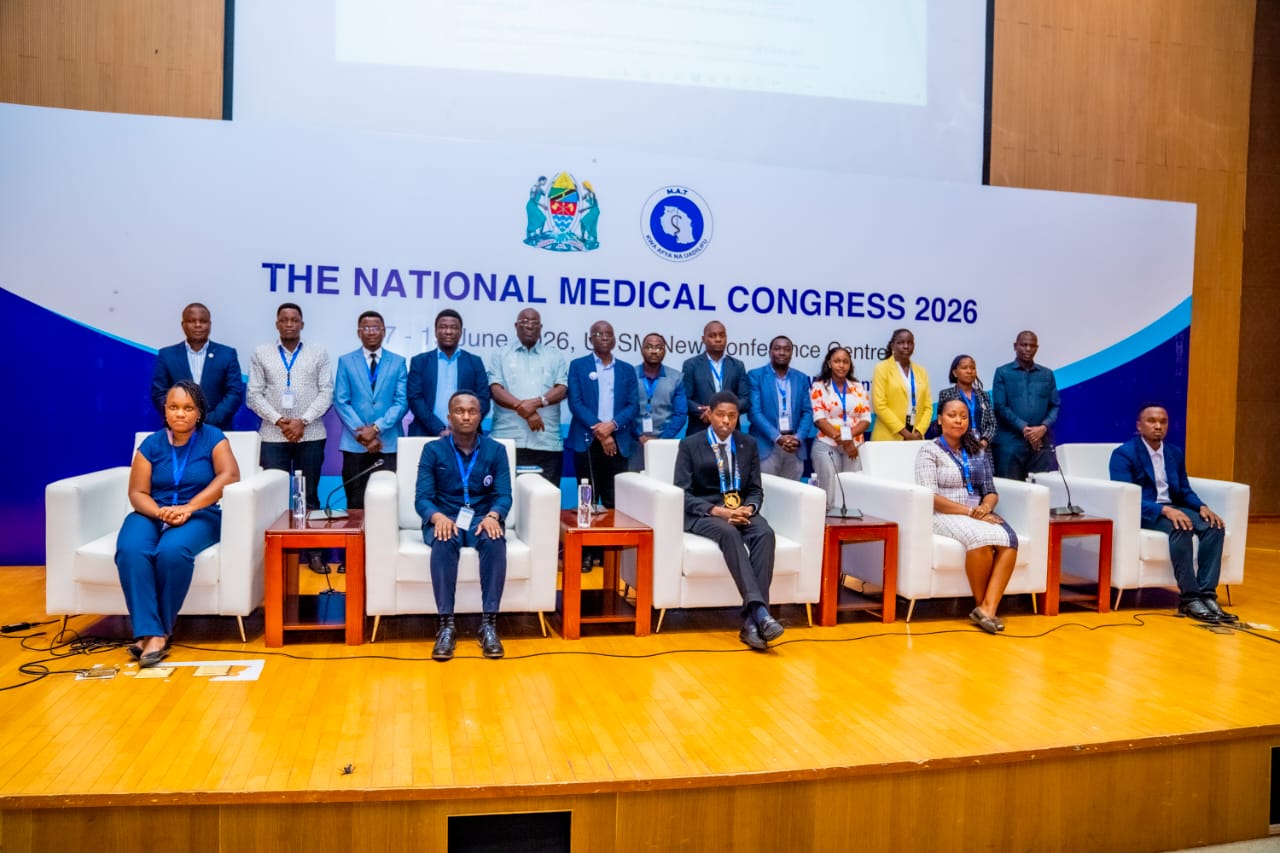
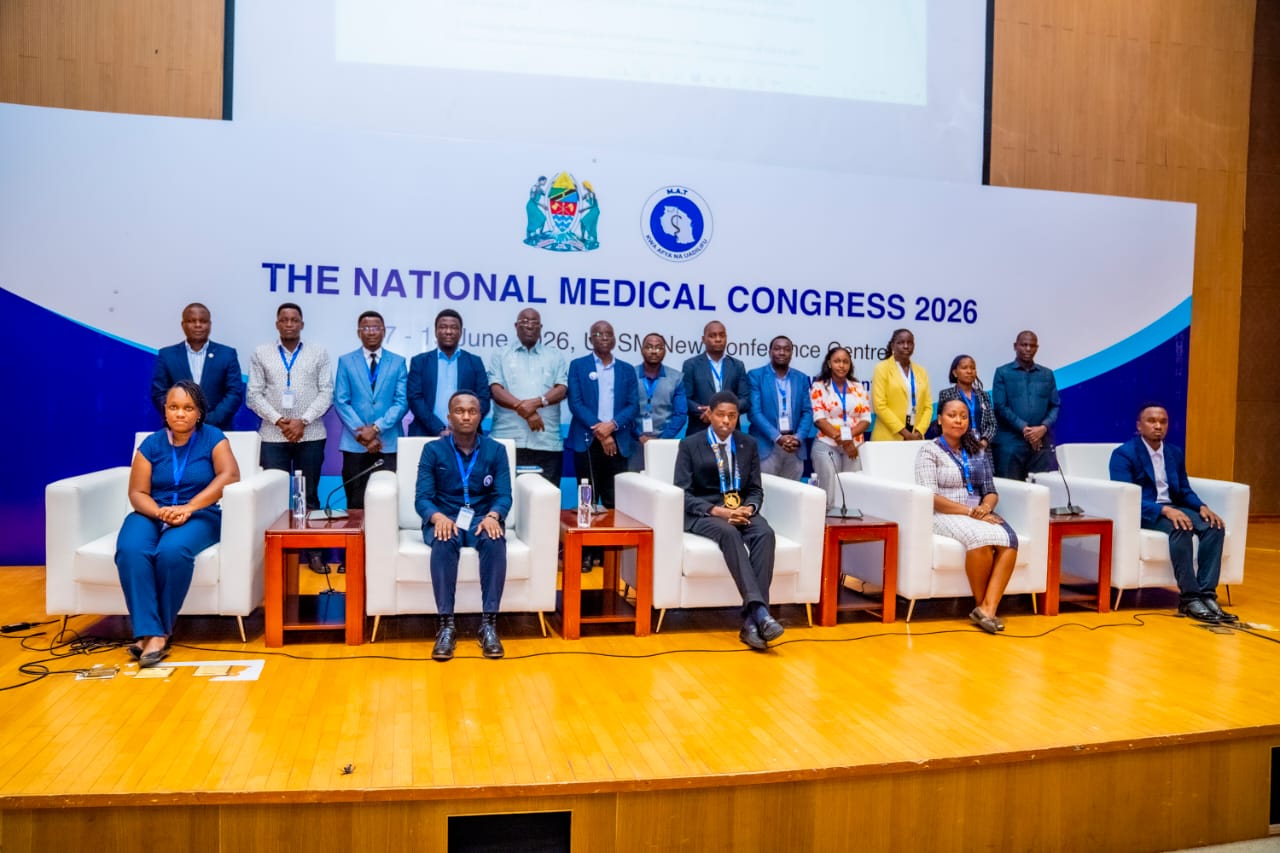
DAR ES SALAAM: TANZANIA’S medical practitioners have issued a bold call for a fundamental redesign of the country’s health system by 2050, demanding a shift that would decentralise specialist care, accelerate digital medicine and overhaul how healthcare is financed and delivered.
The proposal, tabled by the Medical Association of Tanzania (MAT) during a three day national meeting in Dar es Salaam, lays out a sweeping reform agenda aimed at transforming how Tanzanians access treatment over the next quarter century.
MAT President Dr Mugisha Nkoronko said incremental improvements will no longer be enough, warning that population growth and rising disease complexity are already stretching the system beyond its limits.
A central demand in the plan is the relocation of specialist services from major referral hospitals to district level facilities, a move doctors say would dramatically reduce delays and long-distance patient travel.
The association argues that advanced care should no longer be concentrated in a handful of urban hospitals but embedded within local health systems across the country.
“We need a system where specialist care is not a privilege of location,” Dr Nkoronko said.
The blueprint also calls for a major shift toward prevention driven healthcare, with stronger investment in nutrition, early screening, and public health interventions intended to reduce the burden of late stage disease.
Digital transformation features heavily in the proposals, with doctors urging wider deployment of artificial intelligence, predictive analytics, and data driven tools to improve diagnosis, surveillance, and treatment response.
On financing, MAT is pressing for expanded health insurance coverage and reforms that would reduce out of pocket spending, which remains a major barrier to treatment for many households.
Dr Nkoronko said the system must also evolve to allow flexible coverage options, including the ability for patients to combine insurance schemes where necessary to meet treatment costs.
The association warned that failure to prioritise prevention would continue to drive rising treatment costs and overwhelm already strained facilities.
In research, MAT called for a decisive shift toward locally generated evidence, arguing that Tanzania must reduce reliance on externally driven studies and build its own scientific base to address domestic health challenges.
ALSO READ: Tanzania supports blended financial initiative to boost Africa’s aviation, health sectors
The doctors also raised concerns over leadership capacity in the sector, saying future health reforms will depend on a new generation of managers capable of running complex institutions and supporting frontline workers.
Dr Nkoronko further stressed that protecting health workers from burnout and psychological stress must become a core priority if service quality is to be sustained.
The meeting ended with broad endorsement of the proposals, setting the stage for what doctors describe as a long-term restructuring of Tanzania’s health system.