
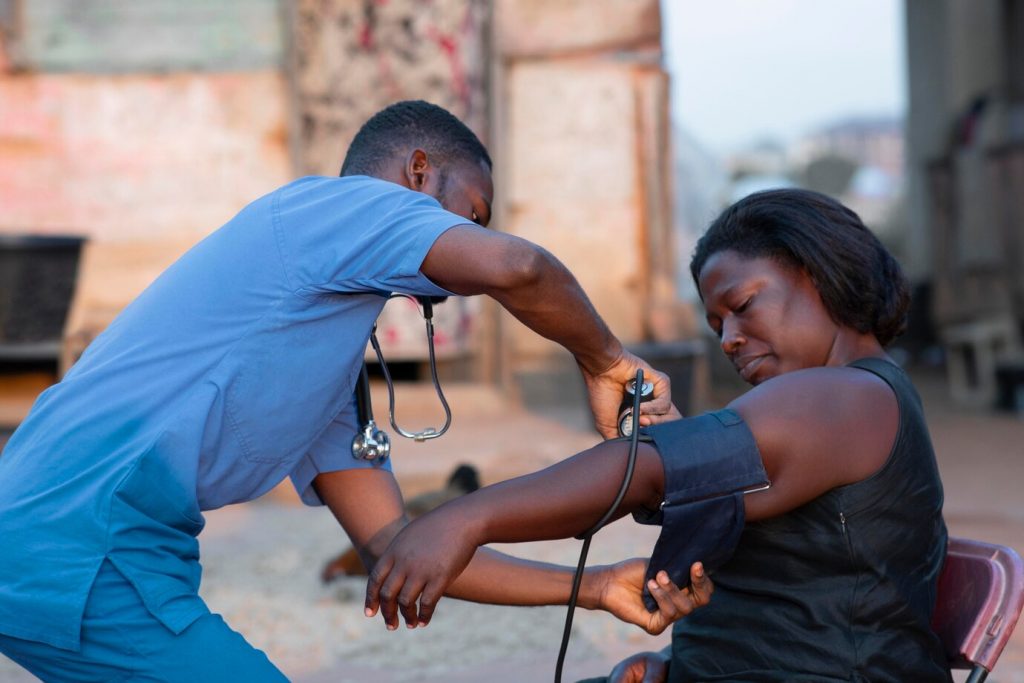
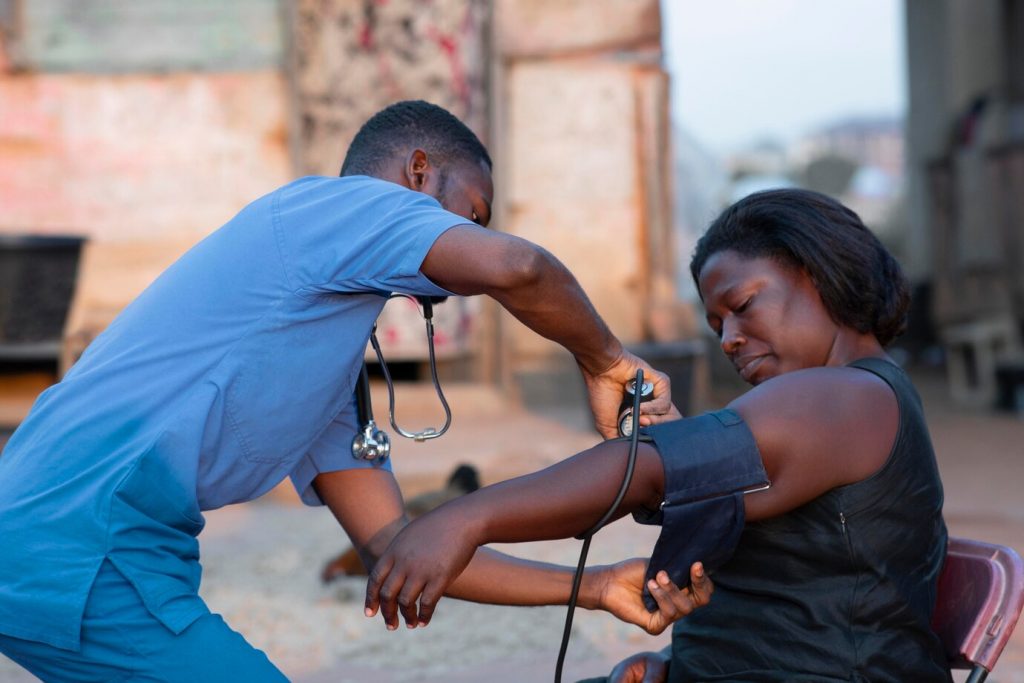
ARUSHA: MINISTER for Information, Arts, Culture and Sports, who is also the Member of Parliament for Arusha Urban, Paul Makonda has announced that financially disadvantaged residents of Arusha City will receive free annual health screenings and medical treatment.
Mr Makonda made the announcement during a seven-day medical outreach camp at Sheikh Amri Abeid Stadium, where residents are receiving free health screenings, specialist consultations, treatment, medication and referrals.
The camp has been organised by the Arusha Regional Commissioner’s Office in collaboration with the Office of the Member of Parliament for Arusha Urban, the Ministry of Health, national referral hospitals, specialised health institutions and private hospitals.
Mr Makonda said routine health check-ups are often accessible only to those who can afford them, but the initiative will ensure that low-income residents also benefit from free annual health screenings and treatment every year.
He said it is the responsibility of public servants to implement initiatives that directly improve the lives of low-income citizens, particularly those who struggle to meet their basic daily needs. He added that the free medical camp reflects that commitment, with specialist doctors from national referral hospitals providing treatment at no cost.
The minister said President Samia Suluhu Hassan had approved the deployment of specialist doctors from public hospitals across the country to provide free medical services in Arusha, urging residents to make full use of the opportunity.
“Specialist doctors from across the country have responded to the call to participate in this medical camp in Arusha. I want every resident of Arusha City facing a health challenge to come forward and receive treatment free of charge,” Mr Makonda said.
He encouraged residents to make annual health check-ups a habit and cautioned against taking prescription medicines without consulting qualified healthcare professionals, warning that the practice could lead to unnecessary health complications.
The minister also commended the Jakaya Kikwete Cardiac Institute (JKCI) for adopting a digital patient management system that tracks people treated during medical outreach camps.
He said the system enables healthcare providers to retrieve patients’ medical records from previous camps, review tests conducted and treatment provided and ensure appropriate follow-up care. He urged other hospitals and health institutions to adopt similar digital systems to improve continuity of care.
“I commend JKCI for this system. It would be beneficial for other hospitals to adopt it as well, so that patients receiving care at medical camps can be easily tracked rather than starting the process anew each time without their medical history,” he said.
He said that by yesterday, more than 6,500 residents from Arusha City and neighbouring areas had registered for treatment and health screenings during the seven-day camp, with many already receiving medical services. JKCI Executive Director, Dr Peter Kisenge, said the institute had deployed a team of cardiologists, a paediatric cardiologist, nutritionists and modern diagnostic equipment to support the outreach programme.
ALSO READ: Makonda lauds JKCI’s digital initiative that maintains records of medical camp patients
“This is our third time participating in this camp. The services are intended for residents of Arusha Region as well as neighbouring regions,” he said.
Dr Kisenge said the institute had brought electrocardiogramme (ECG) machines, artificial intelligence-powered echocardiography equipment and a team of specialist cardiologists to enhance diagnosis and treatment.
He said nutrition experts were also educating residents on healthy eating and the prevention of heart disease and other noncommunicable diseases under the campaign theme, “Know Your Numbers.” “The information we provide focuses on knowing one’s blood pressure, heart rate, blood oxygen levels, blood sugar, weight and height, as well as blood lipid levels,” he said.
According to Dr Kisenge, regular monitoring of these indicators enables the early detection and prevention of conditions that can lead to stroke, heart failure and heart attacks.
“It is important for citizens to undergo regular health check-ups. Knowing one’s blood pressure, blood sugar, blood lipid levels and heart health status can prevent serious complications and save lives,” he said.