
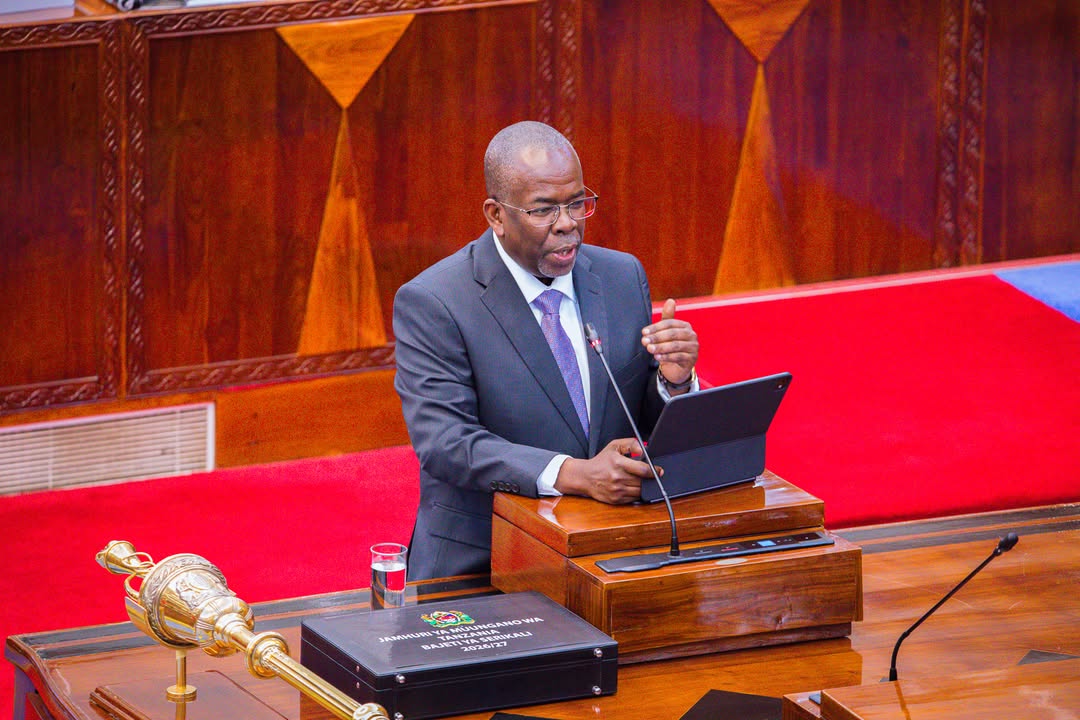
DODOMA: TANZANIA has unveiled its largest-ever national budget of Sh62.334trn for the 2026/27 financial year, marking a 10.3 percent increase from last year’s Sh56.49trn, in a bold fiscal blueprint that signals renewed confidence in economic expansion, industrial growth and large-scale infrastructure transformation.
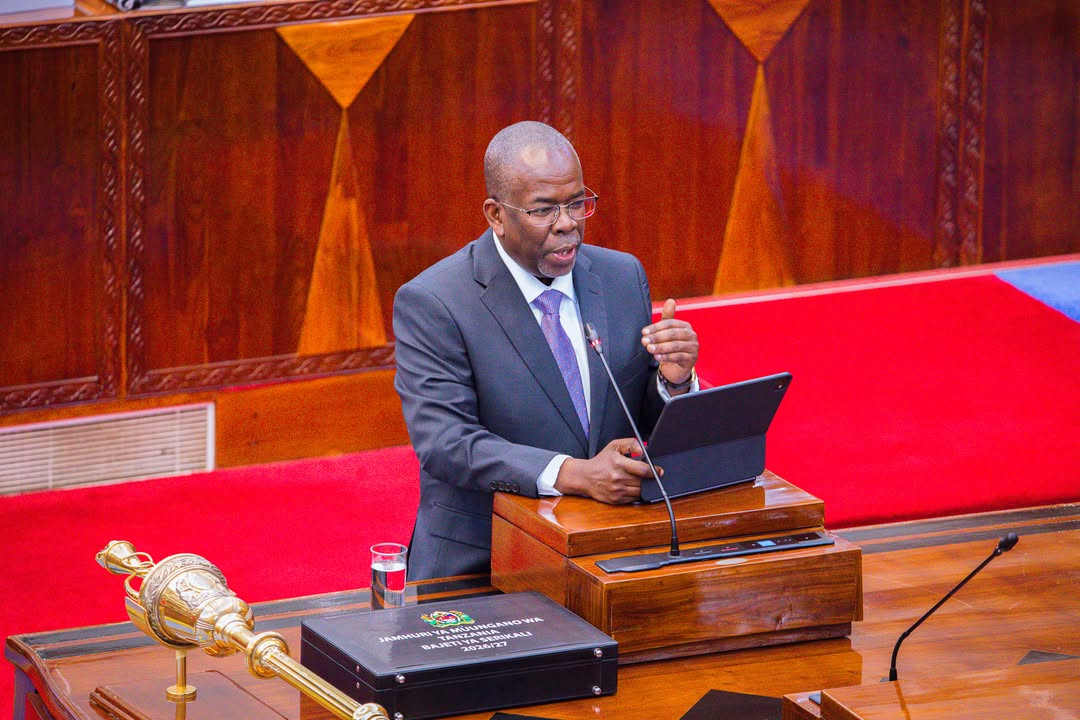
Presenting the budget in Parliament in Dodoma on Thursday, Finance Minister Ambassador Khamis Mussa Omar described the spending plan as a decisive step towards accelerating development under the country’s long-term vision, with emphasis on productivity, self-reliance and strategic investment in key sectors of the economy.
The budget comes with an upbeat macroeconomic outlook, projecting real GDP growth of 6.3 per cent, up from 5.9 per cent in the previous year. Inflation is expected to remain contained within 3 to 5 per cent, while foreign reserves are projected to maintain import cover of at least four months, a signal aimed at reassuring markets of continued stability.
A defining feature of the 2026/27 fiscal framework is its deepening reliance on domestic resources. Of the total budget, Sh46.23trn is expected to be raised locally, accounting for about 74 per cent of total financing. This reflects a strong push to strengthen domestic revenue systems and reduce dependence on external financing.
The domestic revenue target is projected at 17.1 per cent of GDP, up from 16.5 per cent in the previous year, driven by improved tax administration, digital enforcement systems, and expanding economic activity. The remaining financing gap will be covered through concessional borrowing and grants, with the fiscal deficit kept within the regional ceiling of 3 per cent of GDP.
On expenditure, the government maintains a balance between recurrent operations and long-term investment. Recurrent expenditure stands at Sh41.51trn, or 66.6 per cent of the total budget, covering salaries, debt servicing, transfers to local authorities, and other essential government operations.
ALSO READ: Tanzania proposes higher levies on cigarettes and sugar to fund Universal Health Insurance
Debt repayments continue to absorb a significant share of recurrent spending, reflecting ongoing obligations on both domestic and external borrowing. However, officials maintain that the debt position remains sustainable and aligned with prudent fiscal management.
Development expenditure has been allocated Sh20.82trn, accounting for 33.4 per cent of total spending, underscoring a strong push towards infrastructure-led growth. These funds will finance major projects in transport, energy, water, agriculture, education, and health.
Large infrastructure programmes remain at the centre of the budget, with continued investment in roads, railways, and regional transport corridors aimed at strengthening trade links and positioning the country as a logistics hub in the region. Energy expansion, including generation and distribution upgrades, is also prioritised to support industrial demand and household access.
Agriculture continues to receive strong attention through irrigation expansion, fertiliser availability, and productivity-enhancing interventions aimed at strengthening food security and rural incomes. Water systems and climate resilience projects also feature prominently, reflecting rising environmental pressures.
Beyond physical infrastructure, the budget places growing emphasis on digital transformation. The government plans to expand electronic fiscal devices, integrated revenue platforms, and data-driven systems to tighten tax collection, reduce leakages, and improve efficiency in public service delivery.
Reforms targeting the business environment are also expected to continue, with a focus on improving ease of doing business, expanding public-private partnerships, and encouraging private capital participation in development financing.
Youth and women empowerment programmes remain a key pillar of the fiscal strategy, with continued support for entrepreneurship funds and access to credit aimed at widening economic participation and reducing inequality.
Compared to last year, the 10.3 per cent increase reflects both rising development demands and improved revenue expectations. While recurrent spending still dominates, the sustained allocation of more than one-third of the budget to development projects signals a gradual shift towards a more investment-driven economy.
Economists say the budget reflects a confident but demanding fiscal stance that prioritises growth acceleration while maintaining stability. However, they caution that execution discipline and revenue performance will be decisive in determining whether the ambitious targets translate into real economic gains.