
DODOMA: TANZANIA continued to strengthen its position as one of Africa’s fastest-growing investment destinations, with foreign direct investment (FDI) inflows rising by 28.3 percent to 1.72bn US dollars in 2024, up from 1.34bn US dollars recorded in 2023.
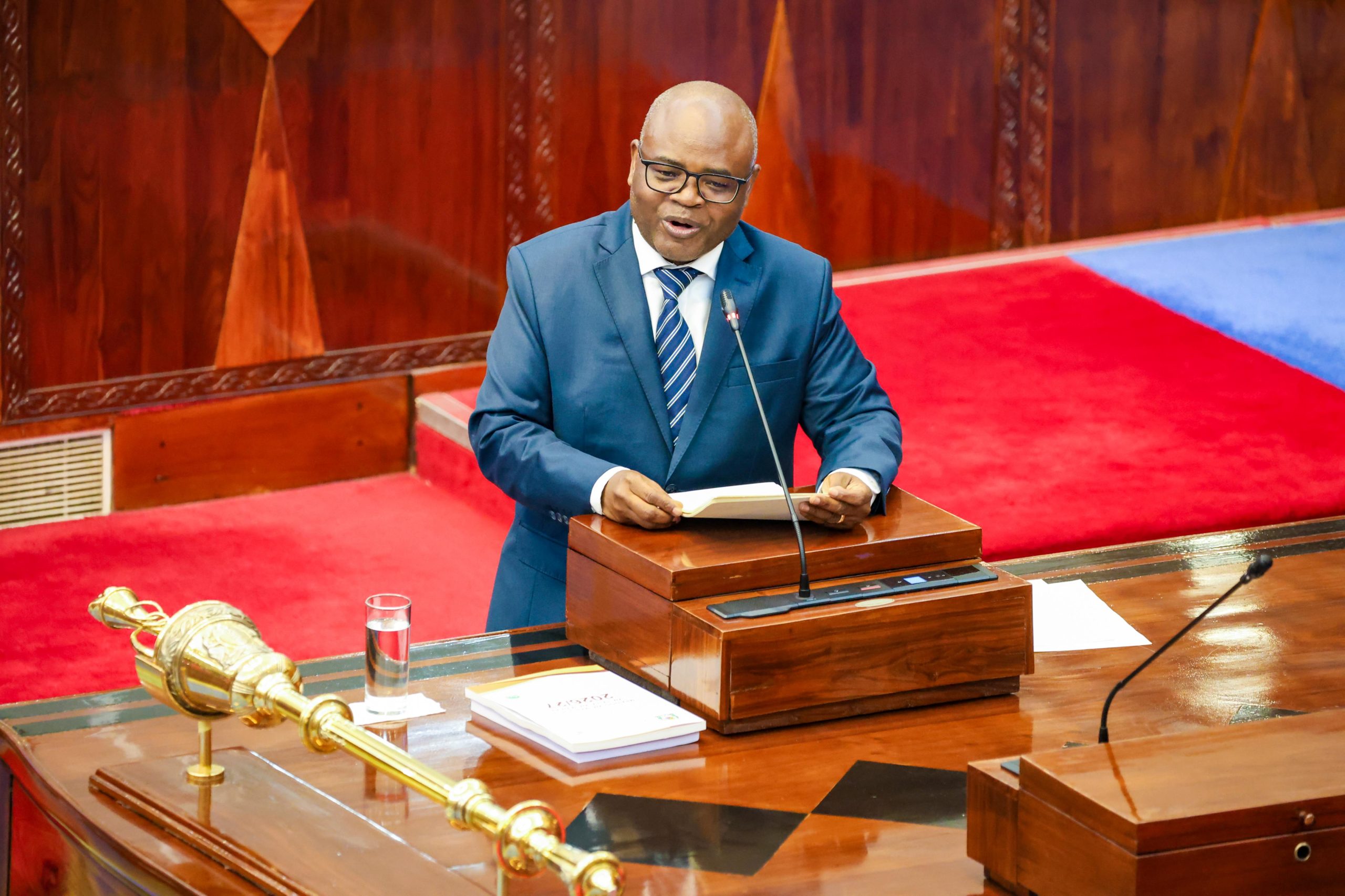
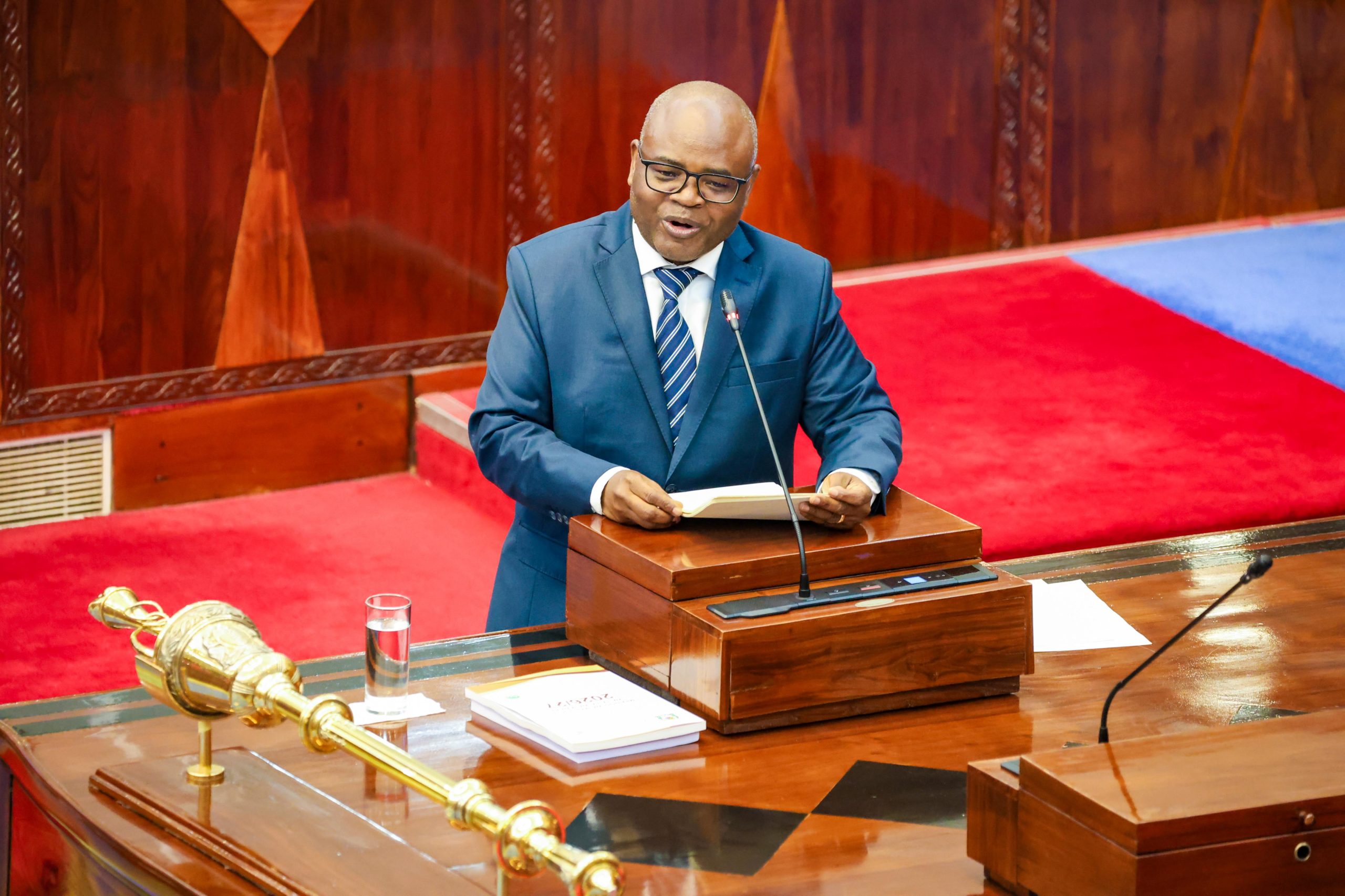
Presenting the 2026/27 National Development Plan and the State of the Economy Report in Parliament today, June 11, 2026, the Minister of State in the President’s Office (Planning and Investment), Prof Kitila Mkumbo, said the strong performance reflects growing investor confidence in the country’s economic outlook.
According to the United Nations Conference on Trade and Development (UNCTAD) World Investment Report 2025, the mining and quarrying sector attracted the largest share of foreign investment, receiving 442.2m US dollars. The sector was followed by finance and insurance with 401.3m US dollars, manufacturing with 223.1m US dollars and information and communication technology with 152.1m US dollars.
Prof Mkumbo said the four sectors accounted for nearly three-quarters of all foreign direct investment inflows into the country.
He noted that investment in agriculture, construction, transport and logistics also expanded significantly, with their share of total FDI increasing to 19.4 percent in 2024 from 5.8 percent in 2023.
“Tanzania is among the fastest-growing investment destinations in Africa and currently ranks 11th on the continent in terms of foreign direct investment inflows,” he said.
The minister also highlighted a record performance by the Tanzania Investment and Special Economic Zones Authority (TISEZA), which registered 915 projects worth 10.95bn US dollars in 2025, compared to 901 projects valued at 9.3bn US dollars in 2024.
He said the projects, spanning manufacturing, commercial real estate, transport, tourism and agriculture, represent the highest number of investment projects registered since the establishment of the Tanzania Investment Centre (TIC) in 1996 and later TISEZA in 2025.
ALSO READ: Tanzania economy hits US$91.81bn as growth climbs to 5.9pc
The registered projects are expected to create more than 162,895 jobs, supporting the government’s broader efforts to accelerate economic growth, industrialisation and employment creation.
Meanwhile, Tanzania maintained macroeconomic stability, with inflation averaging 3.3 percent in 2025 compared to 3.1 percent in 2024. Despite the slight increase, largely driven by rising food prices, inflation remained within the government’s medium-term target range of 3 to 5 percent and within regional convergence thresholds set by both the East African Community and the Southern African Development Community.