
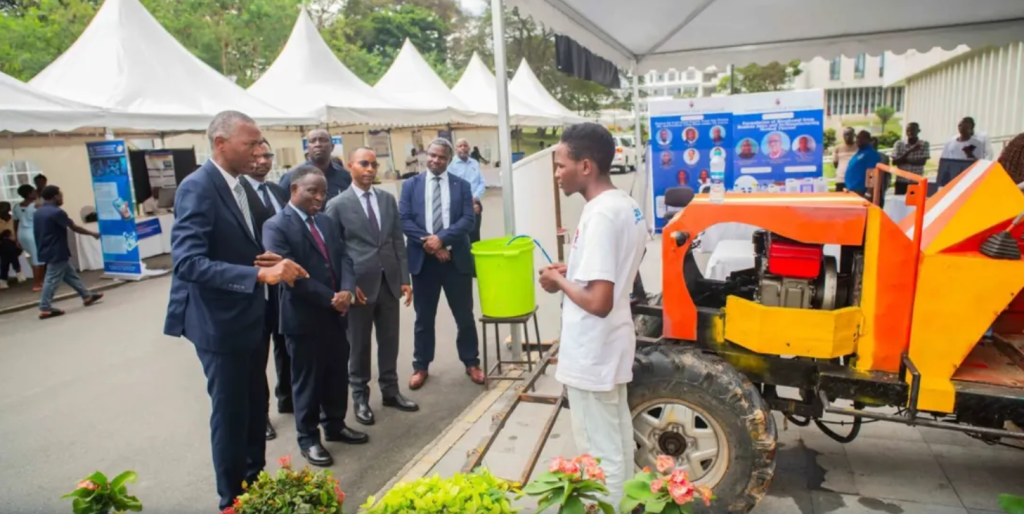
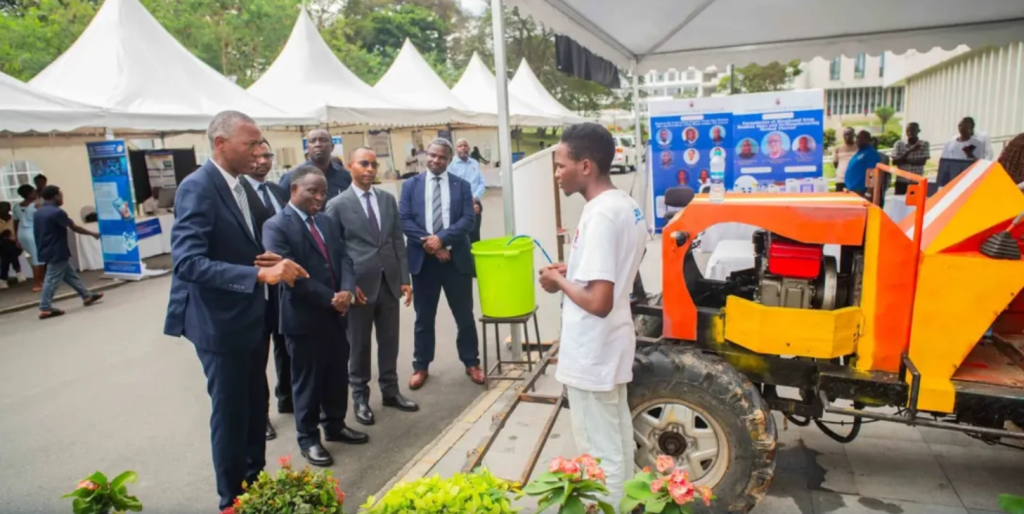
DAR ES SALAAM: THE government has pledged its commitment to building a knowledge-driven economy, saying quality education, research and innovation will be central to the country’s longterm economic transformation and competitiveness. T
Tanzania Commission for Science and Technology (COSTECH), Director General, Dr Amos Nungu, said the development ambitions under Vision 2050 will largely depend on the country’s ability to harness knowledge, technology and innovation.
Dr Nungu, who represented the Permanent Secretary in the Ministry of Education, Science and Technology, Prof Carolyne Nombo during the closing ceremony of the 11th University of Dar es Salaam (UDSM) Research and Innovation Week, said research institutions and universities must play a greater role in addressing social and economic challenges while ensuring that research findings inform public policy and development planning.
“A strong, inclusive and knowledge-based economy cannot be built without a quality education system that produces skilled, ethical and technologically competent citizens,” he said recently.
Dr Nungu noted that the government continues to implement the 2014 Education and Training Policy, revised in 2023, which places emphasis on inclusive and quality education, vocational training, digital technologies and practical learning.
According to Dr Nungu, higher learning institutions are expected to produce graduates capable of critical thinking, innovation and collaboration with both public and private sector stakeholders to support national development goals.
He said government reforms in the education sector continue to focus on improving quality, expanding access, promoting equity and strengthening the link between education, skills development and employment opportunities.
Dr Nungu added that the ministry is increasingly relying on universities to generate evidence-based research that can help improve policies, curricula, teacher training programmes, vocational education and quality assurance systems.
As the country seeks to accelerate industrialisation and economic diversification, Dr Nungu urged universities to strengthen research programmes that support renewable energy, digital transformation and societal security.
The UDSM Vice Chancellor, Prof William Anangisye, said universities have a responsibility to ensure that research and innovation activities remain closely aligned with the practical needs of society and the economy.
“Our research must continue to address real challenges facing communities, industries and institutions. Priority areas require highly skilled graduates, applied research and stronger collaboration between universities, government institutions, the private sector and development partners,” Prof Anangisye said.
He noted that universities should play a more active role in supporting policy formulation and implementation, increasing productivity across economic sectors and equipping young people with skills needed in the modern labour market.
“We must contribute to the development of new products, services and systems that create value and improve the lives of our citizens,” he said.
He added that strengthening links between academia, industry and government will be essential if research outputs are to be translated into commercial opportunities and sustainable economic growth.