

DAR ES SALAAM: WHAT if better nutrition begins not in the kitchen, but in the choices, women are allowed to make?
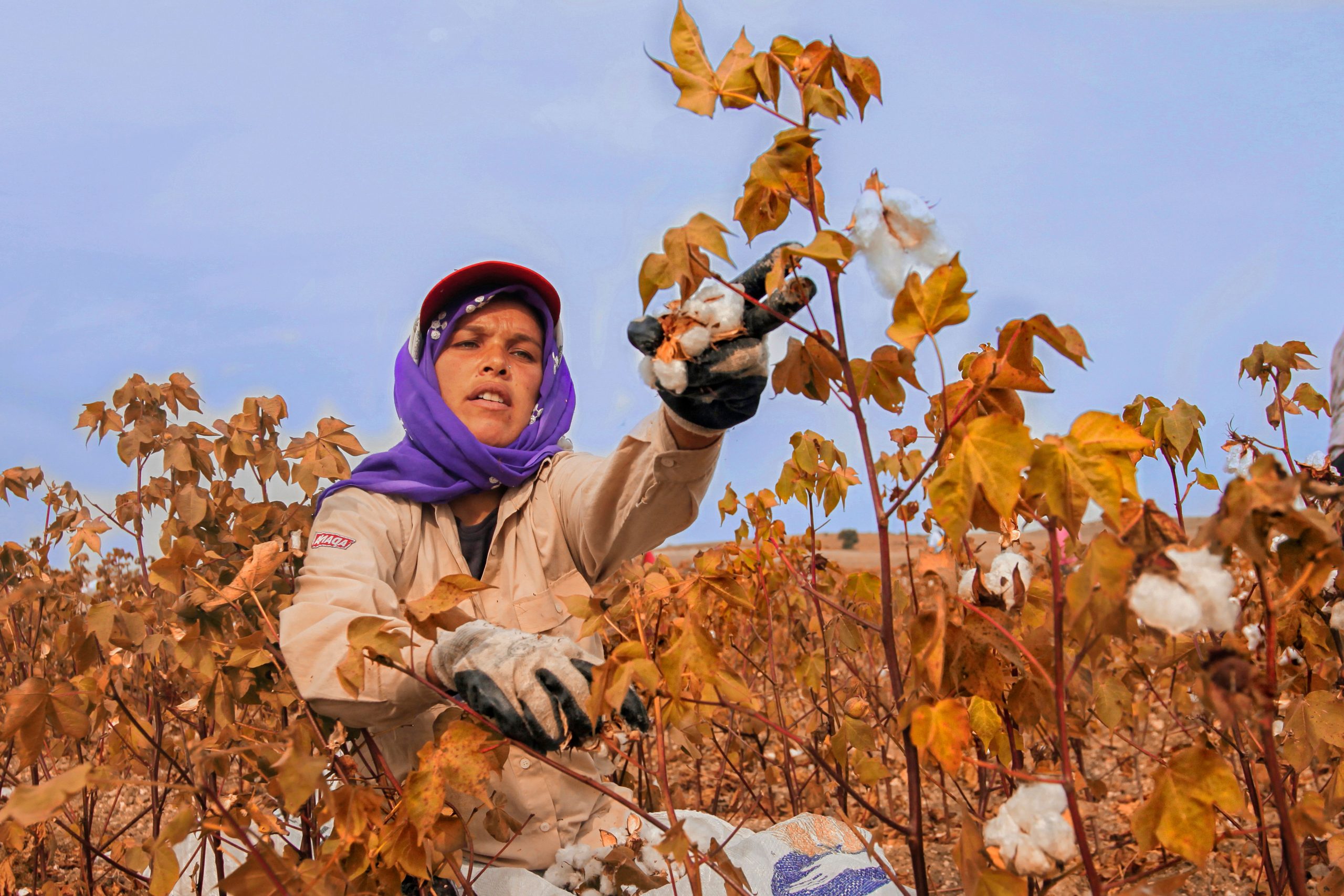
Across Tanzania, women are the backbone of agricultural households. They plant, harvest, prepare meals, care for children, and manage countless responsibilities that keep families functioning.
Yet despite their central role in household wellbeing, many women still have limited influence over decisions that directly affect their lives and those of their families.
Released in May 2026, the National Bureau of Statistics’ Women’s Empowerment and Nutrition (WEN) Key Findings Report sheds new light on the relationship between women’s decision-making power, household nutrition and community wellbeing.
On a scale of 0 to 1, women scored 0.45 on the national empowerment index compared to 0.57 for men, highlighting a persistent gender gap in decision-making power and access to opportunities. More strikingly, nearly nine out of ten women in agricultural households are classified as disempowered.
The numbers tell a story that many women know all too well. Although women carry much of the responsibility for feeding their families, they often have less control over the resources needed to do so.
Only 39.6 per cent of women reported having strong influence over major household spending decisions, compared to 54.8 per cent of men.
In practical terms, this means many women have limited say over how money is invested, what food is purchased, or which family priorities receive attention.
At the same time, women shoulder an enormous share of unpaid care work. Nearly all women surveyed—97.4 per cent—reported being responsible for household duties, while 91 per cent were involved in caring for family members.
By comparison, just over half of men reported participating in these activities. The findings highlight a reality often overlooked in economic discussions, women’s labour sustains families, yet much of it remains invisible and unpaid.
Yet the report is not simply a story of challenges. It is also a story of progress and possibility.
Almost half of all women surveyed participate in at least one community group, including savings and credit associations, religious organizations, and women’s groups.
These spaces are proving to be powerful platforms for building confidence, networks, and leadership skills. In fact, 23.1 per cent of women reported holding leadership positions in organizations, demonstrating that women are increasingly stepping forward as decision-makers in their communities.
The survey’s most important message is that empowerment and nutrition are closely connected.
When women have greater access to resources, stronger decisionmaking power, and more opportunities to participate in community life, they are better positioned to secure diverse and nutritious diets for themselves and their families.
ALSO READ: Women gain wider access to capital, skills
Empowerment is not merely a matter of equality; it is a driver of health, food security, and economic resilience.
As Tanzania advances toward its development goals, the evidence is becoming increasingly clear. Improving nutrition is not only about producing more food. It is about ensuring that women, the people most closely connected to family wellbeing, have the power, resources, and voice to make decisions that matter.
Because when women thrive, families flourish. And when families flourish, the nation prospers.