
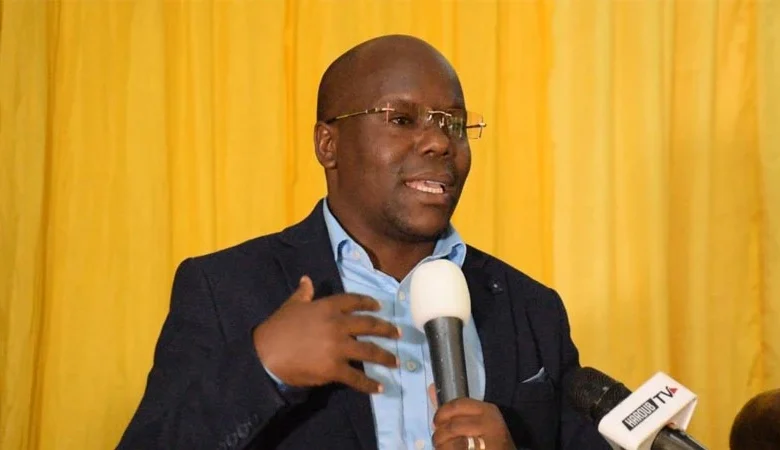

DODOMA: THE government will use the second phase of the Mama Samia Legal Aid Campaign to tackle gender-based harassment and abuse in universities and workplaces following complaints from students and workers across the country.
Minister for Constitution and Legal Affairs Juma Homera said the campaign will also expand access to justice to more than 50 per cent of the population through a nationwide rollout covering all regions of the Mainland and Zanzibar.
Speaking to journalists in Dodoma yesterday, Mr Homera said the government had received numerous complaints from students facing unfair treatment in higher learning institutions, including cases that negatively affect their academic progress and future prospects.
He said some students have reported being subjected to various forms of harassment by individuals entrusted with their welfare and academic development.
“We have received several complaints that are currently being handled. There are situations where students face difficulties in continuing with their studies because of inappropriate demands from individuals entrusted with their welfare and academic development,” he said.
The minister said the second phase of the campaign will place special emphasis on eliminating gender-based violence and harassment in universities, colleges and workplaces.
He added that the government is equally concerned about labour-related grievances, including cases where employees are denied promotions, benefits and other lawful entitlements despite funds being available.
“We have witnessed many workers facing challenges in their offices. Some have worked for long periods without receiving their dues, while others experience delays in payment of legitimate claims. Through this campaign, we will reach out directly to public institutions and listen to citizens’ concerns,” he said.
Mr Homera said the ministry will work closely with the Prevention and Combating of Corruption Bureau (PCCB) and other relevant institutions to address misconduct and abuse of power in public institutions and learning centres.
He noted that some students have reached a point of contemplating abandoning their studies due to hostile environments and various forms of mistreatment.
According to the minister, the campaign will cover all 31 regions of Tanzania Mainland and Zanzibar, reaching districts, wards, villages and hamlets to ensure legal aid services are accessible to more citizens.
Unlike the first phase, which largely focused on regional and district headquarters, the new phase will bring legal services closer to grassroots communities, particularly those in remote areas.
Mr Homera said the campaign will also promote alternative dispute resolution mechanisms, including mediation and dialogue, to help citizens resolve conflicts without lengthy court processes.
“Many conflicts can be resolved through mediation and dialogue. We want to reduce unnecessary litigation while restoring hope and economic stability among citizens,” he said.
The minister further revealed that the government will collaborate with the police and other stakeholders to educate the public on cybercrime and online fraud as part of efforts to protect citizens from emerging digital threats.
ALSO READ: Citizens reclaim stolen rights as ‘Sema na Waziri’ delivers swift justice
In addition, legal aid teams comprising lawyers, prosecutors and other justice sector officials will visit prisons across the country to provide legal advice, review cases and assist eligible inmates and remandees in pursuing appeals and other legal remedies.
“We have already seen positive results from similar interventions in Morogoro. We will continue working with relevant institutions to ensure that individuals who require legal assistance are properly guided and supported,” he said.
During the first phase of the Mama Samia Legal Aid Campaign, more than four million people benefited from legal aid services.
Mr Homera said the government now aims to significantly expand coverage and ensure that legal assistance reaches citizens in every part of the country.
“Our goal is to reach citizens wherever they are, including those in remote villages. Access to justice should not be limited by geography or economic circumstances,” he said.