
DAR ES SALAAM: Tanzania’s hospitals are seeing growing demand for specialist care as more patients present with obesity, diabetes, high blood pressure, kidney disease and blood flow related complications.
At The Aga Khan Hospital, Dar es Salaam, the response includes the Comprehensive Obesity Clinic, launched in May 2026 to provide medically supervised care for weight management and related non communicable diseases.
The hospital also hosted specialist clinics on 17 and 18 June 2026 with Dr. Syed Tanseer Asghar and Dr. Sana Sharafat Ali, focusing on weight related illness, reflux, hernia, hemorrhoids, varicose veins and dialysis access.
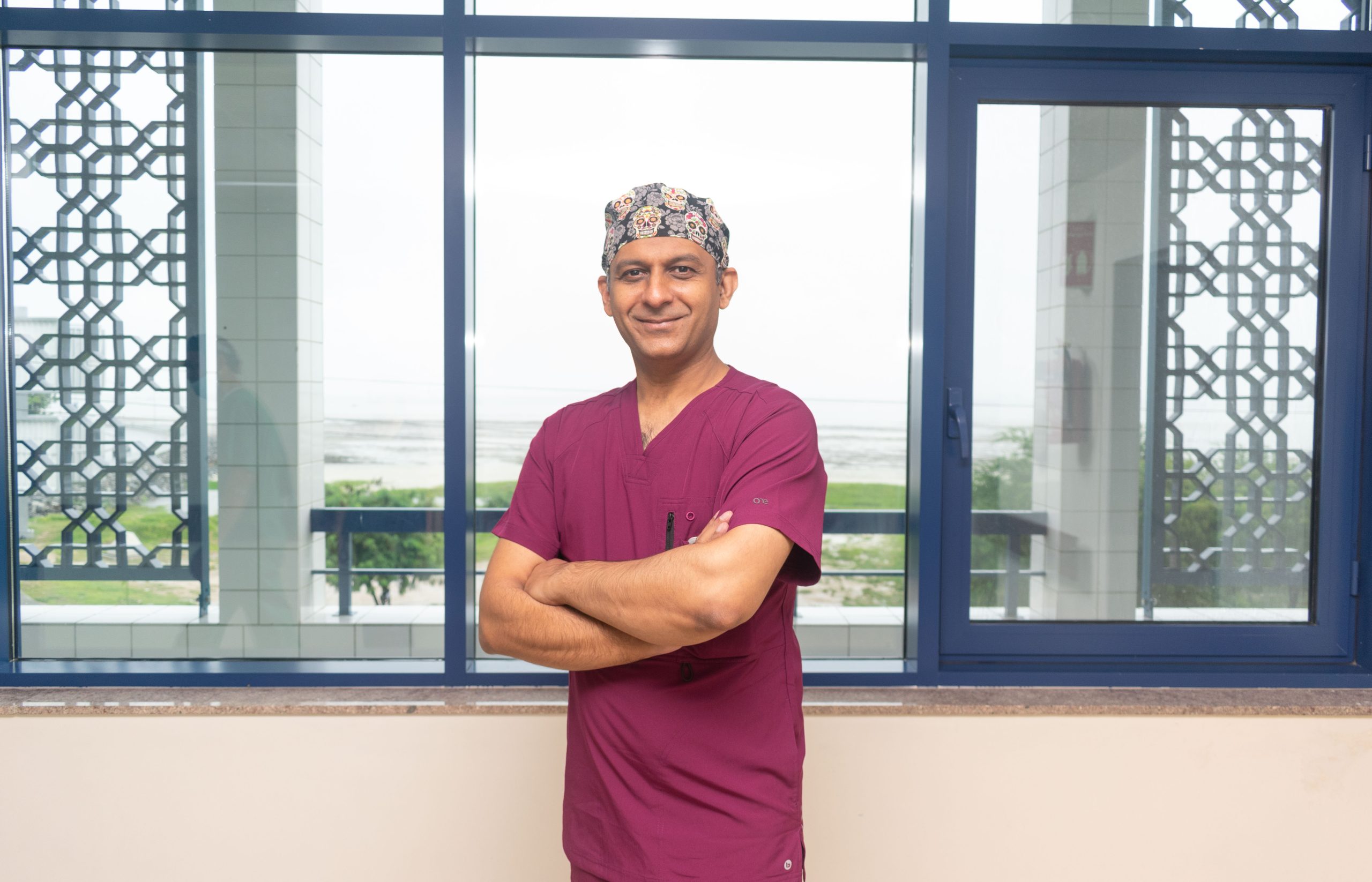
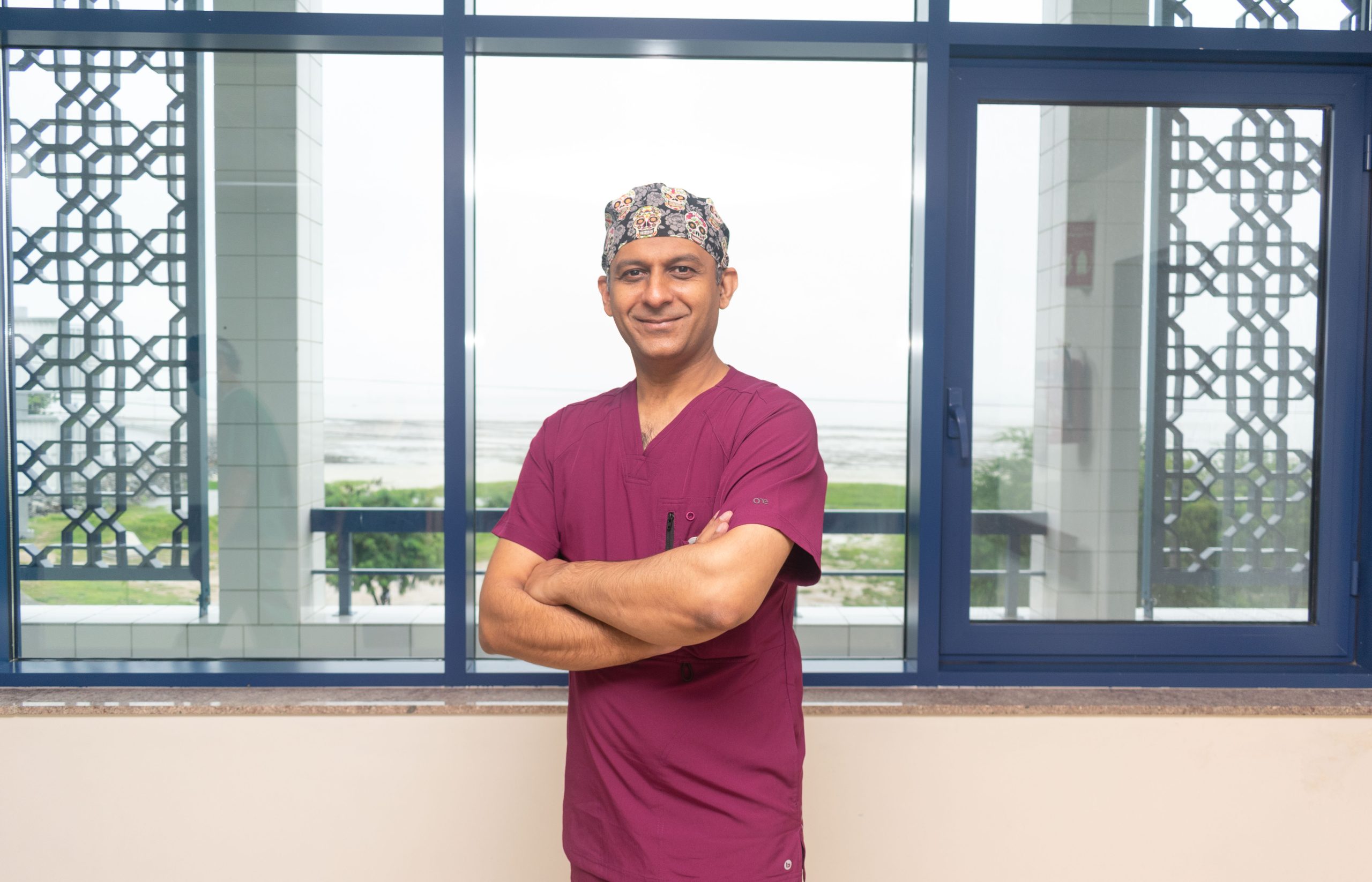
Dr Tanseer, a bariatric, laparoscopic and general surgeon, is among the specialists involved in this area of care. His field focuses on patients whose weight has become dangerous to their health. He uses minimally invasive techniques, commonly called small cut or keyhole surgery, for selected patients after assessment.
“Surgery is not the first answer for every patient,” Dr. Tanseer said.
“The first step is assessment. We need to understand the patient’s weight, diabetes, blood pressure, nutrition, mental readiness and ability to continue follow up.”
Information shared ahead of the consultations indicates that about 100 surgeries have been performed locally through his Tanzania work. His background also includes training local teams and helping develop services for serious weight related illness.
Doctors say such services require more than an operating room. Patients need screening, blood tests, control of diabetes and blood pressure, nutrition guidance, counselling, family support and follow up after the procedure.
The need is visible. WHO says 2.5 billion adults were overweight in 2022, including 890 million living with obesity. A 2025 Tanzania study found that 36 percent of women aged 20 to 49 were overweight or obese.
Health experts link the trend to reduced physical activity, processed foods, late eating, poor sleep, stress and delayed screening. These factors increase the risk of diabetes, high blood pressure, reflux, joint problems, kidney disease and poor circulation.
Dr Sana’s work connects directly with such complications. She is a vascular surgeon, meaning she treats problems involving blood flow. Her areas include varicose veins, wounds that heal slowly and dialysis access.
“Dialysis access should not be treated as a last minute issue,” Dr. Sana said.
“When kidney disease is progressing, families should ask early about the safest way to prepare for dialysis if it becomes necessary.”
Africa’s diabetes burden points to the need for stronger specialist care. The International Diabetes Federation says Africa’s diabetes burden could rise to about 60 million adults by 2050, with about 73 percent of adults with diabetes undiagnosed.
The Aga Khan Hospital, Dar es Salaam is expected to host another similar specialist clinic in September 2026. For Tanzania, specialists say the priority is to strengthen trained teams, patient education, safe systems and continuity of care after discharge.