
MWANZA: AS Tanzania advances toward its ambitious goal of becoming a prosperous, inclusive and globally competitive middle-income nation under the National Development Vision 2050, increasing attention is being directed toward a group of professionals whose contributions are often overlooked despite being essential to national progress: Community Development Officers.
While major infrastructure projects such as highways, railways, bridges, ports and industrial developments often dominate public discussion and serve as visible indicators of economic advancement, development experts continue to emphasise that sustainable national transformation extends far beyond physical infrastructure.
Lasting development ultimately depends on people and their understanding, participation, empowerment and willingness to contribute actively to the nation’s progress.
It is this human dimension of development that places Community Development Officers at the centre of Tanzania’s long-term aspirations.
Their work, though frequently conducted away from the public spotlight, plays a critical role in ensuring that development initiatives translate into meaningful improvements in the lives of citizens across the country.
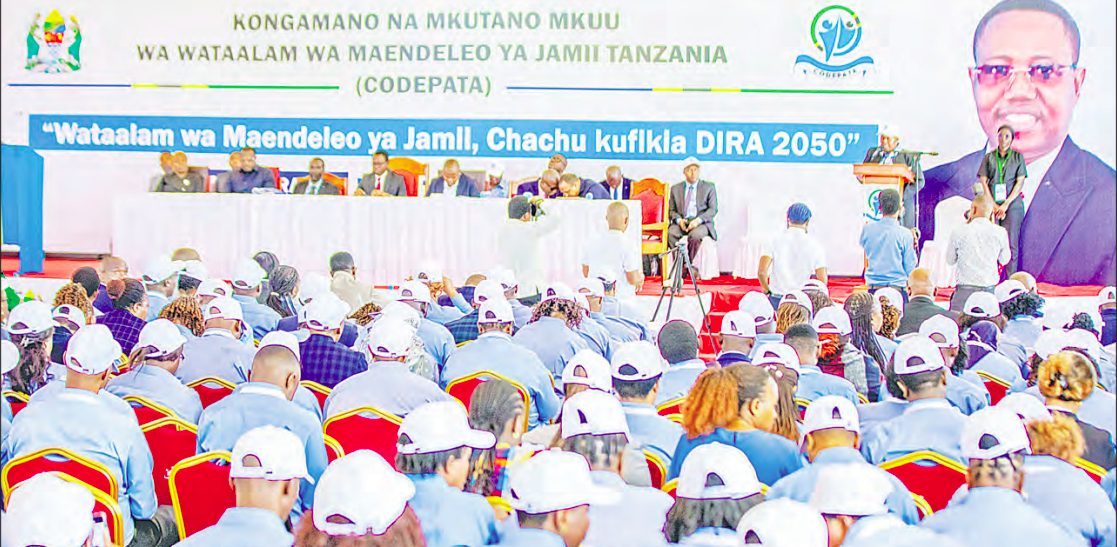
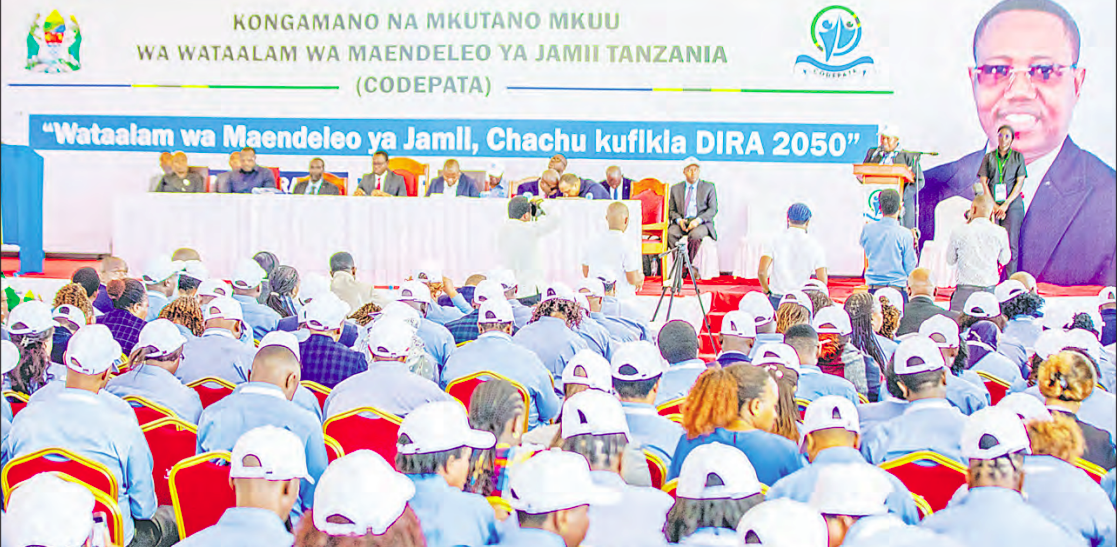
These issues were among the key topics discussed during the 18th National Community Development Professionals Conference held recently in Mwanza.
The gathering brought together policymakers, development practitioners, community leaders and other stakeholders to examine the role of community development in supporting Tanzania’s journey toward achieving Vision 2050.
Opening the conference, Minister for Youth Development Dr Joel Nanauka highlighted the important responsibility community development professionals carry in educating citizens about the National Development Vision 2050 and encouraging widespread participation in the country’s development agenda.
According to Dr Nanauka, Community Development Officers serve as a crucial link connecting government institutions, citizens and development partners. Their responsibilities go well beyond implementing programmes and projects.
They are agents of social change whose work involves transforming attitudes, encouraging participation, promoting awareness and helping communities identify and take advantage of development opportunities available to them.
He noted that these professionals have a significant role in mobilising citizens to engage in development activities and ensuring that communities understand the opportunities being created through government policies and programmes.
Through their efforts, citizens become active participants in development rather than passive beneficiaries.
Building a society prepared for Vision 2050
The National Development Vision 2050 seeks to create a society characterised by innovation, knowledge, positive thinking and active involvement in economic and social development.
Achieving such a vision requires a population that understands its responsibilities and is equipped with the skills, knowledge and motivation necessary to contribute meaningfully to national growth.
However, experts argue that realising this vision requires far more than the formulation of policies or the implementation of government projects.
It calls for deliberate and sustained efforts to transform mindsets, strengthen social institutions, build community resilience and empower citizens at the grassroots level.
This is where Community Development Officers become indispensable. Across Tanzania, these professionals work directly with communities on a daily basis.
They facilitate awareness campaigns, support social welfare initiatives, promote community participation and encourage citizens to engage in activities that improve their social and economic wellbeing. Their responsibilities cover a wide range of issues affecting communities.
They are involved in promoting family welfare, supporting proper child upbringing, advancing youth empowerment, advocating for gender equality, strengthening public health initiatives and encouraging economic participation.
Through these efforts, they contribute to building stronger, more informed and more resilient communities. Dr Nanauka urged Community Development Officers to continue educating citizens about Vision 2050 through seminars, public meetings and community engagement programmes.
Such outreach efforts, he said, are essential in ensuring that citizens understand the goals of the vision and recognise their role in achieving them.
The minister also encouraged officers to continue promoting awareness of opportunities created by the government, particularly those targeting youth, women and other special groups.
By helping citizens understand and access available programmes, Community Development Officers contribute to broader social and economic inclusion.
In addition, he called upon officers to support the registration of community groups and associations, enabling them to benefit from government support programmes and economic empowerment initiatives.
Such efforts can help communities access resources, training and opportunities that improve livelihoods and strengthen local development.
Challenges facing Community Development professionals
Despite the critical role they play in national development, Community Development Officers continue to face a number of challenges that affect their ability to operate effectively.
During the Mwanza conference, the President of the Community Development Professionals Association of Tanzania (CODEPATA), Mr Victor Kabuje, appealed to the government to increase budget allocations for the sector and improve both working conditions and salary structures for professionals in the field.
According to Mr Kabuje, CODEPATA currently has more than 1,820 members drawn from both public and private sector institutions. These professionals continue to make important contributions to community transformation throughout the country.
He pointed out that Community Development Officers have been instrumental in promoting universal health insurance initiatives, supporting efforts to combat HIV/AIDS, addressing social challenges affecting communities, protecting the welfare of women and children and strengthening social cohesion.
However, he emphasised that the increasing complexity of social challenges requires greater investment in the profession if officers are to continue meeting the growing needs of communities effectively.
Mr Kabuje identified inadequate funding as one of the major obstacles facing community development work. He also noted that rapidly changing social realities, rising cases of gender based violence and the growing problem of drug abuse continue to place additional pressure on professionals working in the sector.
Development experts observe that these challenges are becoming more pronounced as Tanzania undergoes rapid urbanisation, demographic expansion and technological transformation.
These changes create new social dynamics that require professional guidance, intervention and support at the community level.
ALSO READ: Champion Vision 2050, community urged
Development beyond physical infrastructure
Over the past several years, Tanzania has invested heavily in infrastructure development, education, healthcare and strategic sectors of the economy.
These investments have created a strong foundation for economic growth and national development. Nevertheless, development practitioners stress that economic progress alone cannot guarantee sustainable development outcomes.
Social development must advance alongside economic achievements if development is to be inclusive and beneficial to all citizens.
Without adequate awareness, community participation and social inclusion, even well-designed development programmes may struggle to achieve their intended objectives.
Citizens must understand available opportunities, access services effectively and participate actively in initiatives designed to improve their lives.
Community Development Officers play a central role in making this possible. Through continuous engagement with communities, they help bridge the gap between policy formulation and implementation.
They ensure that government programmes reach intended beneficiaries while also helping communities understand and embrace development initiatives.
Kafiti William, a member of Parliament’s Standing Committee on Social Welfare and Community Development, emphasised the indispensable role Community Development Officers play in translating government initiatives into tangible benefits for ordinary citizens.
According to him, meaningful community development cannot be achieved without these professionals because they serve as the critical bridge between government institutions and the people.
Their work helps ensure that development benefits are distributed equitably and reach communities throughout the country.
Youth at the centre of transformation
One of the defining pillars of Vision 2050 is the strong emphasis placed on youth participation. Given Tanzania’s youthful population and its potential to drive future economic growth, empowering young people has become a national priority.
Community Development Officers have an increasingly important role in supporting this objective.
They are actively involved in encouraging entrepreneurship, promoting skills development and facilitating youth participation in productive economic activities.
Through awareness campaigns, mentorship programmes and community engagement initiatives, these professionals help young people understand available opportunities while fostering the mindset necessary for active citizenship and economic participation
. Their work complements broader government efforts aimed at creating employment opportunities, strengthening social protection mechanisms and expanding economic inclusion.
By helping young people become productive contributors to society, Community Development Officers contribute directly to the realisation of Vision 2050.
Investing in people for national transformation
As Tanzania continues its journey toward 2050, experts agree that the success of the country’s development agenda will depend not only on economic policies, infrastructure investments and industrial growth but also on the strength of its social foundations.
A nation’s progress is ultimately reflected in the wellbeing, empowerment and participation of its people. Development is most effective when citizens are informed, engaged and capable of contributing to the advancement of their communities and the nation as a whole.
For this reason, investment in community development should not be viewed merely as a budgetary expense.
Rather, it should be recognised as a strategic investment in human capital, social cohesion and long-term national transformation.
The discussions held during the Mwanza conference reinforced a clear and consistent message: achieving Vision 2050 will require a society that is informed, empowered and actively involved in shaping its future.
At the heart of this process are Community Development Officers, many of whom work quietly in villages, wards, districts and municipalities across the country.
Through their dedication and engagement with citizens, they help transform national aspirations into practical realities within communities.
As Tanzania moves steadily toward the goals outlined in Vision 2050, these professionals may prove to be among the most important yet least recognised pillars of national development.
Their ability to mobilise communities, strengthen participation and empower citizens could ultimately determine how successfully the country translates its vision into a prosperous, inclusive and