
DAR ES SALAAM: TANZANIA’S media stakeholders have renewed calls for stronger cooperation, improved newsroom capacity and greater protection of editorial independence as they seek to strengthen public interest journalism across the country.
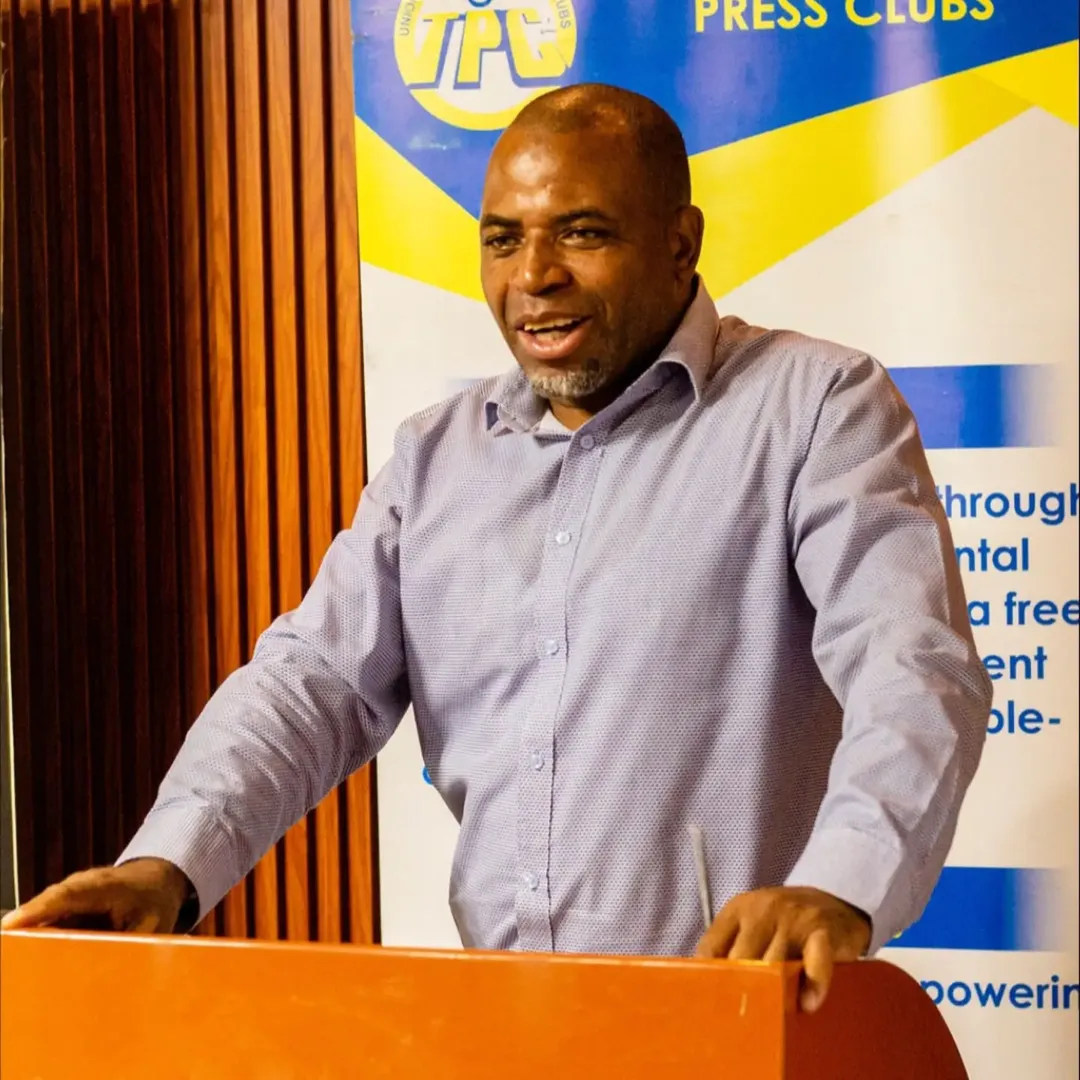
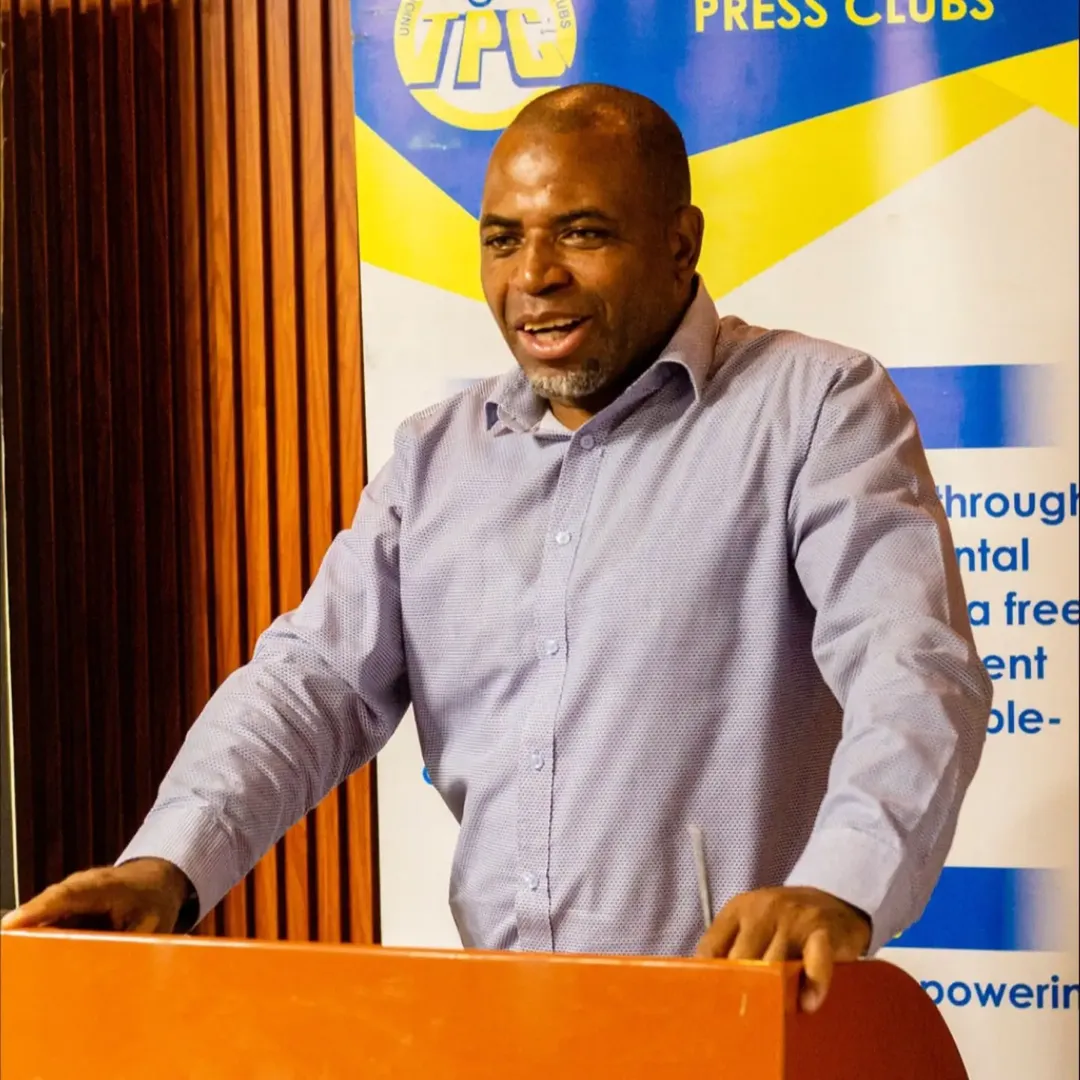
The call was made during a seminar organised by the Union of Tanzania Press Clubs (UTPC) in partnership with International Media Support (IMS), bringing together representatives from different media organisations to examine challenges affecting public interest reporting and explore practical solutions to improve the quality of journalism.
The discussions focused on the need for media institutions, regulators and other stakeholders to work together in creating an environment where journalism can effectively serve citizens through accurate, reliable and relevant information.
Speaking during the seminar, UTPC Executive Director Kenneth Simbaya said collaboration across the media sector remains essential in improving the quality and accessibility of journalism that addresses issues affecting society.
He emphasised that the media has a shared responsibility to ensure citizens receive credible information that enables them to make informed decisions and actively participate in national development.
“We have a responsibility to work together as a team to ensure that we build a society that is informed by accurate information,” Simbaya said. “Everyone must play their role effectively if we are to achieve the goals we seek.”
The seminar came at a time when public interest journalism is increasingly recognised as a critical component of transparency, accountability and citizen participation in governance.
Participants noted that reporting on issues affecting ordinary people, including access to public services, human rights, management of public resources and protection of freedoms, remains central to strengthening democratic development.
Public interest journalism goes beyond reporting events. It involves investigating issues that directly affect communities, highlighting challenges faced by citizens and ensuring that important voices are heard, particularly those often overlooked.
Tanzania Media Foundation (TMF) Executive Director Dastan Kamanzi urged journalists to focus more on stories that have a direct impact on people’s lives and well-being.
He said journalism fulfills its professional and social responsibility when it prioritises matters that affect citizens and provides a platform for communities whose concerns may otherwise remain unnoticed.
“Journalists should prioritise stories that touch people’s lives, rights and freedoms,” Kamanzi said. “By doing so, they uphold the true values of journalism and strengthen its contribution to the development of society.”
However, participants acknowledged that despite growing recognition of the importance of public interest reporting, many newsrooms continue to face challenges that limit their ability to produce impactful journalism.
Among the major concerns raised were inadequate training opportunities, limited technical resources and financial constraints. These challenges have particularly affected smaller media organisations that often struggle to equip journalists with the skills required for investigative, analytical and evidencebased reporting.
Participants also highlighted the rapid changes taking place in the media environment. Advances in technology and changing audience behaviour have increased demand for journalists who can use digital tools, analyse data and develop innovative storytelling approaches.
However, limited resources have made it difficult for some newsrooms to fully adapt to these changes and compete in an increasingly digital information environment.
The stakeholders agreed that media organisations must strengthen their commitment to public interest journalism by ensuring that editorial decisions consistently prioritise issues that serve the broader public good.
Veteran journalist and retired editor Rashid Kejo, formerly of Mwananchi Communications Limited (MCL), said newsroom leadership plays a crucial role in making public interest reporting an institutional priority.
According to Kejo, editors and newsroom managers must deliberately create opportunities for investigative journalism, accountability reporting and communityfocused stories rather than treating them as occasional assignments.
“One of the key issues that will help implement public interest journalism is ensuring that newsrooms prioritise it in their daily operations,” Kejo said. “Editors and newsroom leaders must make it part of their editorial agenda.”
His remarks reflected concerns raised during the seminar that commercial pressures, competition for audiences and limited financial resources can sometimes shift attention away from complex stories that require significant time and investment despite their importance to society.
Participants stressed that media organisations must find a balance between financial sustainability and their responsibility to inform the public.
Anthony Rwekaza of Jamii Forums supported calls for stronger assistance systems for media organisations committed to public interest reporting.
He said newsrooms producing meaningful journalism often require both technical and moral support, especially when covering sensitive matters involving accountability and public institutions.
“Moral and technical support is highly needed for newsrooms that are practicing public interest journalism,” Rwekaza said. “Such support can help strengthen their ability to continue producing quality reporting that benefits society.”
Another major issue discussed was the importance of safeguarding editorial independence. Participants warned that without strong editorial autonomy, journalists may face difficulties pursuing stories that hold influential institutions accountable or expose issues of public concern.
ALSO READ: Why reconciliation matters for national unity, sustainable growth
They emphasised that editorial independence remains a fundamental principle of credible journalism and a key factor in maintaining public trust.
Media organisations, they argued, must allow journalists to make professional decisions based on ethical standards and public interest considerations without undue interference.
At the same time, participants stressed that independence must be accompanied by responsibility, professionalism and adherence to journalism ethics and legal requirements.
The seminar also highlighted the need for stronger partnerships between media organisations, civil society groups, development partners and regulatory institutions.
Such cooperation, participants noted, could help address challenges facing the media sector, improve access to information and create opportunities for knowledgesharing and professional development.
Stronger partnerships would also help create a supportive environment where journalists can pursue impactful reporting while maintaining high professional standards.
By the conclusion of the seminar, stakeholders expressed optimism that increased cooperation and targeted interventions could significantly strengthen public interest journalism in Tanzania.
They agreed that improving newsroom capacity, protecting editorial independence and prioritising stories that reflect citizens’ concerns are essential steps toward ensuring journalism continues to play its role as a watchdog of society.