
DAR DES SALAAM: THE recent continental campaigns of Tanzania’s Under-17 national football teams, Serengeti Boys and Serengeti Girls, stand as a powerful, collective statement of progress for Tanzanian youth football.
These exceptional runs demonstrate that the nation’s grassroots structures are no longer just producing isolated sparks, but a sustained pipeline of competitive talent.
The Serengeti Girls set the tone at the CECAFA Women’s U-17 Championship, dominating the group stage to top Group A with seven points.
Displaying a potent mix of discipline and attacking flair, they opened with a 4-0 victory over Somalia, followed by a 10-0 demolition of Sudan, before drawing 1-1 with rival Kenya.
In the semi-finals, they produced a commanding 4-0 win over South Sudan to book their place in the final.
While a 3-0 defeat to Uganda in the final hurdle ended their otherwise unbeaten run, the tournament showcased immense promise— highlighted by Bahati Kizanguzi, who scored in every match to claim the Golden Boot with 10 goals.
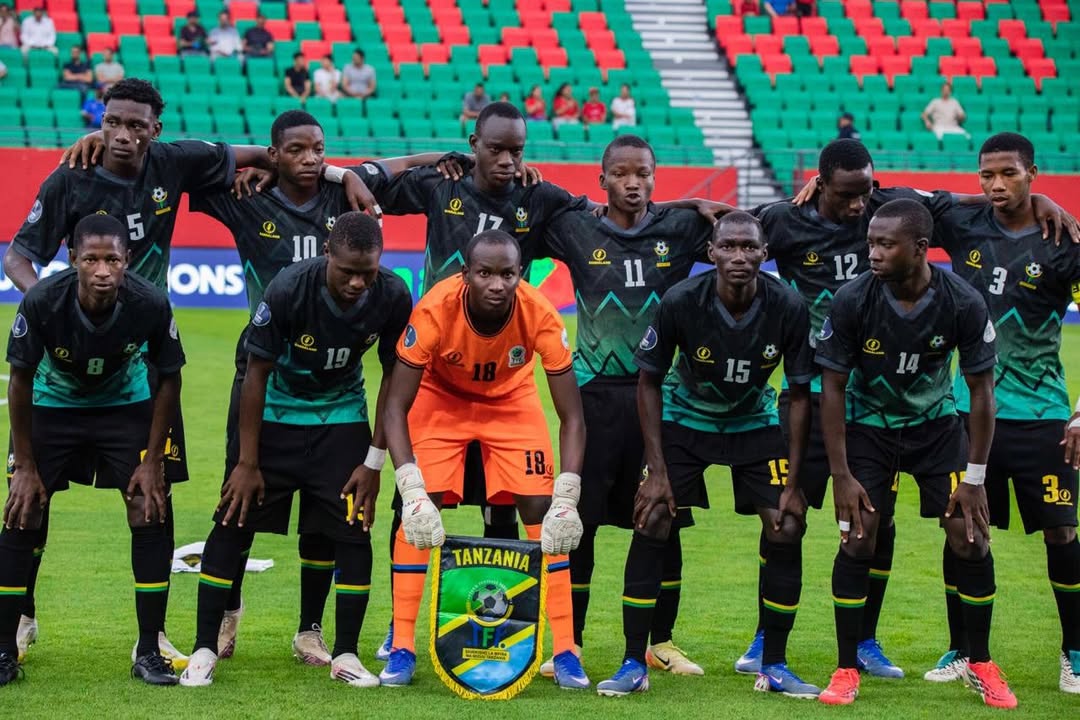
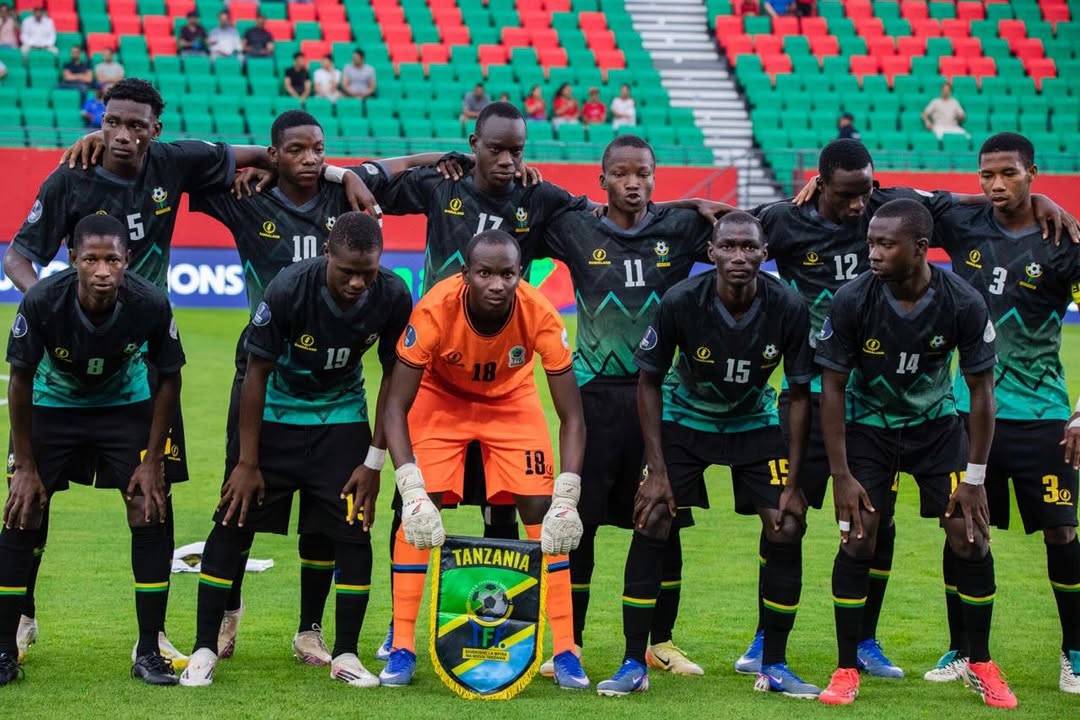
This excellence was mirrored on the big stage by the Serengeti Boys during their historic Under-17 Africa Cup of Nations (AFCON) campaign in Morocco.
The Boys marched all the way to their first-ever continental final, securing a historic silver medal and qualification for the FIFA U-17 World Cup.
After pushing defending champions Senegal to a thrilling 1-1 draw in regular time, they ultimately fell only in a tense penalty shoot-out.
ALSO READ: From Serengeti Boys to Taifa Stars: The blueprint for AFCON 2027
This remarkable tournament run served as the perfect launchpad to showcase standout talents like Dismas Athanasi and Issa Chole to the rest of the continent.
These dual successes validate the coordinated efforts of the government and the Tanzania Football Federation (TFF) in utilising structural initiatives like the FIFA Talent Development Scheme and school-level competitions.
Beyond the scorelines, the performances underline a newfound tactical maturity, physical readiness and confidence among young players who adapted quickly to different international opponents.
To sustain this momentum, continued accountability and investment in structured development pathways where school sports, regional scouting and national academies work in tandem remain essential.
While the final losses exposed areas that still need tactical refinement, the overall trajectory proves that Tanzanian football is moving in the right direction.
With sustained institutional backing, Tanzania can consistently turn promising youth achievements into long-term senior team success on the global stage.