
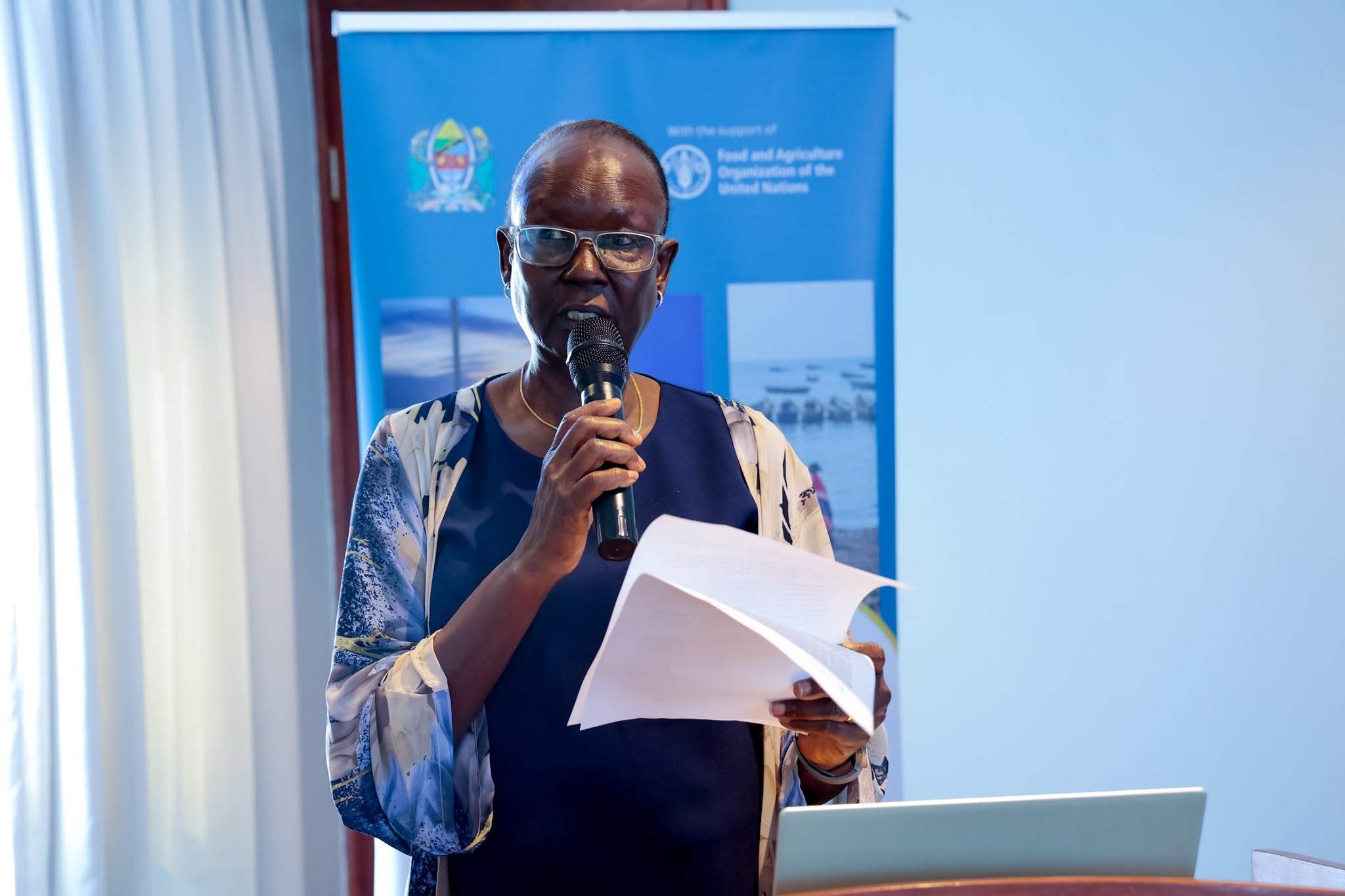
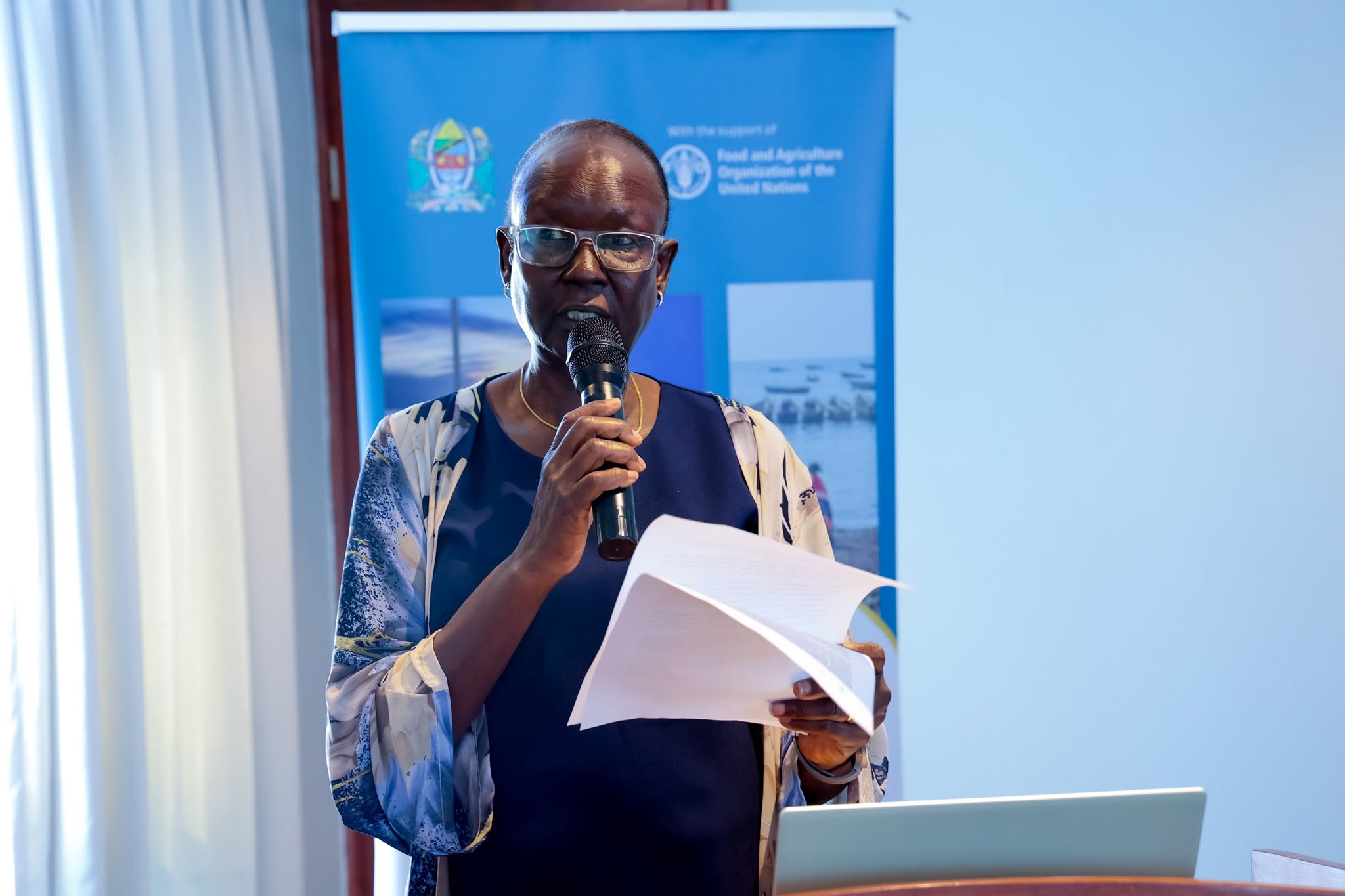
DAR ES SALAAM: THE Food and Agriculture Organisation (FAO) is expanding partnerships with Tanzania’s fisheries institutions to increase seaweed and sea cucumber production, strengthen value chains and support sustainable livelihoods as the country accelerates efforts to develop its blue economy.
The organisation is in the final stages of establishing a partnership with the School of Aquatic Sciences and Fisheries Technology to improve production capacity, promote value addition and create new income opportunities for coastal communities through sustainable use of marine resources.
FAO Representative in Tanzania, Dr Nyabenyi Tipo, said the collaboration would focus on improving productivity while ensuring that communities benefiting from fisheries development also contribute to protecting aquatic ecosystems.
“Our goal is not only to increase production and incomes but also to ensure that the benefits of fisheries development reach local communities while protecting aquatic resources for future generations,” Dr Tipo said.
The initiative forms part of FAO’s broader programme to strengthen Tanzania’s fisheries sector through research, innovation, improved production systems and stronger market linkages.
Dr Tipo said FAO was also facilitating the establishment and capacity building of a multi-stakeholder platform for the Lake Tanganyika fisheries value chain to improve coordination among producers, processors, traders, researchers and other industry stakeholders.
The platform is expected to address challenges affecting fisheries businesses by encouraging collaboration, improving access to information and strengthening connections between different players across the value chain.
ALSO READ: EU and FAO boost Tanzania’s plant health systems
In addition, FAO is identifying and developing business models for fisheries stakeholders using the organisation’s Rural Invest methodology, which supports entrepreneurs in preparing investment proposals, improving financial planning and attracting funding for business expansion.
Dr Tipo said the approach would help fisheries enterprises develop bankable projects and access financing required to increase production, improve processing capacity and expand market opportunities.
FAO is also collaborating with the EAF-Nansen Programme to conduct fisheries assessments in the Indian Ocean, providing scientific data to guide sustainable management and responsible exploitation of marine resources.
The initiatives support Tanzania’s wider blue economy agenda by improving fisheries productivity, strengthening local value chains and increasing the sector’s contribution to employment, food security and economic growth.
Dr Tipo said sustainable fisheries management remained critical to maintaining fish stocks and ensuring that communities dependent on aquatic resources continue benefiting over the long term.
Meanwhile, Zakaria Kaaya, a graduate of the Nyegezi Fisheries Institute and founder of a fish products business in Mwabe Pande, said specialised fisheries training had played an important role in helping entrepreneurs improve processing skills, add value to fish products and access better markets.
He said expanding fisheries education institutions would equip more young Tanzanians with practical skills in production, processing, quality control and business management, enabling them to establish competitive enterprises and contribute to the growth of the fisheries sector.