
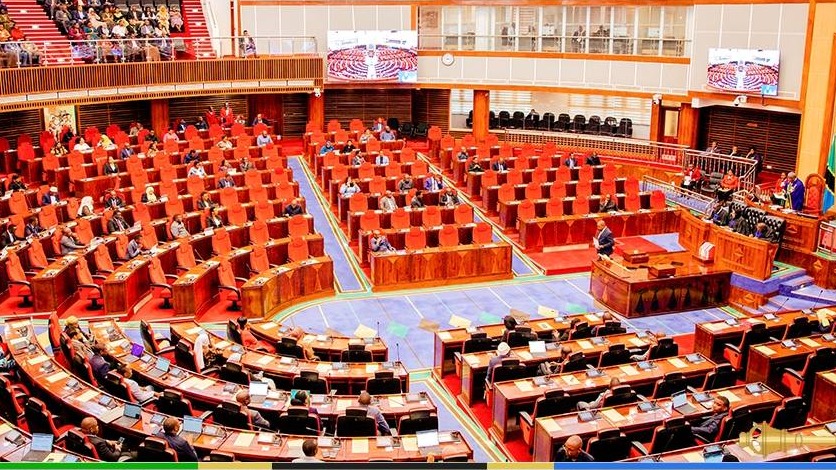
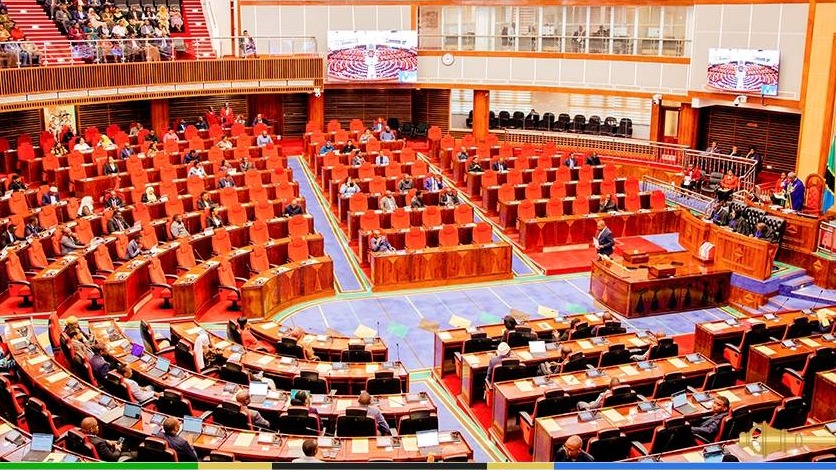
DAR ES SALAAM: THE Government is set to present its 2026/27 national budget in Parliament tomorrow, where the Finance Minister, Ambassador Khamis Mussa Omar, is expected to table a fiscal plan that will guide taxation, public expenditure and key national economic priorities, at a time when the country continues to record economic growth and strengthen efforts to attract investment while maintaining stability in household incomes and consumer demand.
The budget will then proceed to about seven days of parliamentary debate before lawmakers vote on its approval, a process that sets the country’s economic direction for the fiscal year ahead.
The presentation comes at a time when households, businesses, and investors are closely monitoring developments around the cost of living, employment creation, and the pace at which economic growth is translating into improved living standards.
It also follows the implementation of the 2025/26 budget, which amounted to Sh56.49 trillion and prioritised infrastructure development, energy expansion, industrial growth, education and health services, alongside continued efforts to strengthen domestic revenue mobilisation.
As attention shifts to the new fiscal year, economists say the key question is whether the new budget will sustain growth momentum while further improving household welfare.
According to Deloitte Tanzania’s pre budget analysis, one of the persistent challenges remains pressure on household purchasing power, despite continued macroeconomic stability.
“Although economic growth has remained steady, rising living costs continue to affect real incomes and household consumption patterns,” Deloitte notes.
The firm adds that fiscal policy will need to balance revenue mobilisation requirements with maintaining an investment environment that supports private sector expansion.
It further cautions that consistency in tax policy and predictability in implementation remain central to investor confidence and long-term planning.
PwC Tanzania, in its budget outlook, says government reforms in tax administration and digital systems have improved efficiency in revenue collection, but challenges remain in compliance costs and regulatory complexity affecting businesses.
ALSO READ: Dar, Singapore deepen ties
The firm notes that attention is expected to focus on how fiscal measures balance revenue targets with efforts to improve the ease of doing business, particularly for small and medium enterprises.
Dar es Salaam based economist Abdullah Shyengi said expectations are centred on how the budget will link economic growth with job creation.
“Tanzania has continued to invest in infrastructure and key sectors, but the key issue now is how these investments translate into jobs and improved incomes for citizens,” he said.
He added that productive sectors capable of absorbing the growing labour force will be closely watched in the new fiscal framework.
In Dar es Salaam, traders say weak consumer demand remains a challenge for small businesses.
At Kariakoo market, vegetable vendor Neema Maige said sales depend heavily on household purchasing power.
“When customers have money, business moves. When incomes are low, everything slows down,” she said.
She said traders are hoping for measures that will improve household incomes and stimulate consumer spending.
For Eric Hosea, a student at the University of Dar es Salaam (UDSM), young people are watching the budget with interest, particularly on employment opportunities and skills development.
He said many graduates continue to face challenges in entering the labour market despite completing their studies.
In rural areas, farmers say support for agriculture remains central to livelihoods and production.
For instance, a paddy farmer, Mfaume Ibrahim from Kilombero district, said high input costs and unstable markets continue to affect productivity and income stability.
“Farmers need stable markets and fair prices to sustain production,” he said.
On the other hand, livestock keeper Magege Kamuli from Busega district in Simiyu Region said investment in veterinary services, water infrastructure, and livestock markets would improve productivity and rural incomes.
He said livestock keeping remains a key economic activity that requires stronger support to unlock its full potential.
Analysts are of the view that the government faces a balancing act between financing development priorities, managing public expectations on living costs, and supporting sectors that drive employment.