
DODOMA: TANZANIA has recorded strong and stable economic growth in 2025, marked by higher output, rising incomes, increased investment inflows and sustained macroeconomic stability. The performance reflects the positive impact of ongoing economic reforms and strategic public investments.
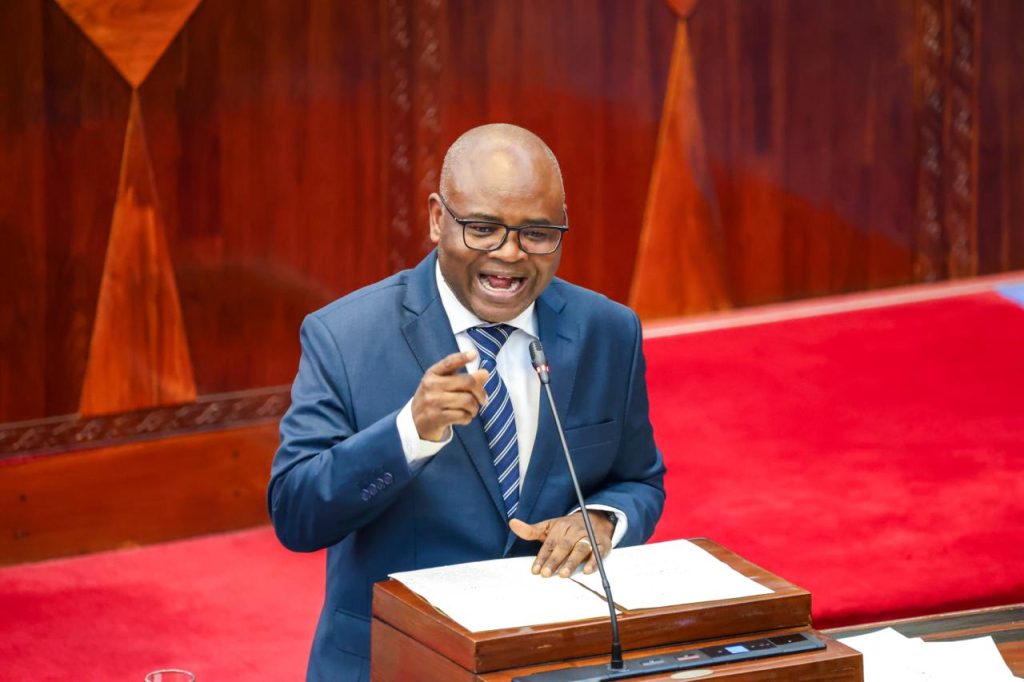
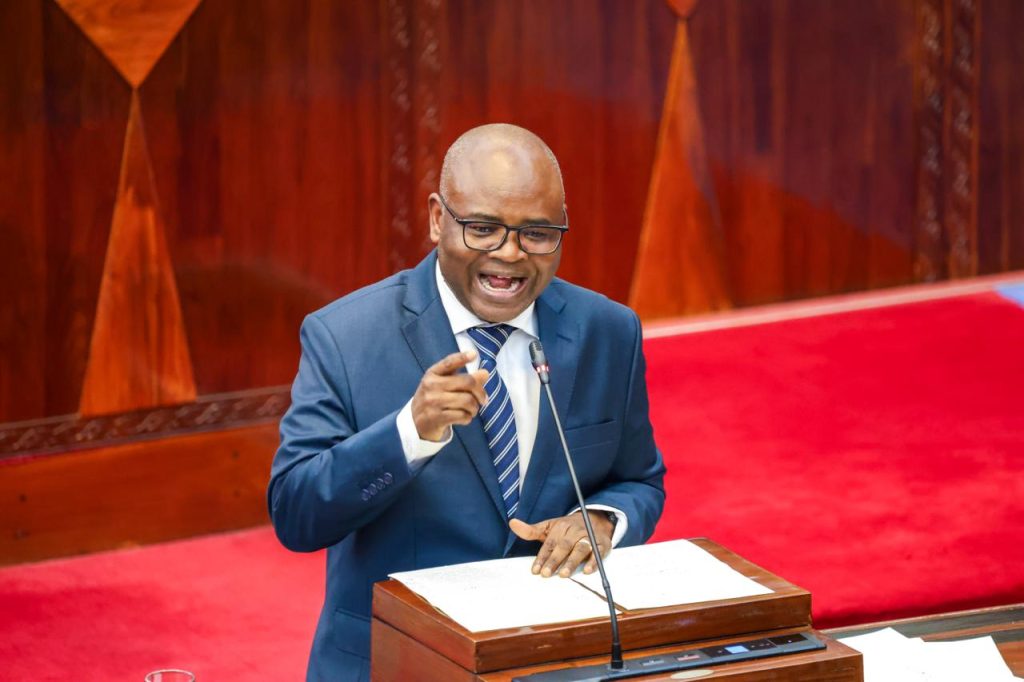
Presenting the report on the State of the National Economy for 2025 in the National Assembly yesterday, Minister of State in the President’s Office (Planning and Investment), Prof Kitila Mkumbo, said the country’s economy remains on a resilient expansion path.
He said the economy grew by 5.9 per cent in 2025 and is projected to expand further to 6.3 per cent in 2026. He said the real Gross Domestic Product (GDP) grew by 5.9 per cent in 2025, up from 5.6 per cent in 2024, following the completion of a GDP rebasing exercise by the National Bureau of Statistics (NBS), which adopted 2019 as the new base year.
The minister said agriculture remained the largest contributor to GDP, accounting for 24.3 per cent, followed by construction (11.9 per cent), mining and quarrying (10.3 per cent), trade and repairs (8.6 per cent) and transport and storage (8.3 per cent).
“The fastest-growing sectors were finance and insurance, which recorded 15.7 per cent growth, followed by electricity and gas (11.8 per cent), mining and quarrying (9.4 per cent), information and communication (8.8 per cent), arts and entertainment (8.5 per cent) and transport and storage (8.0 per cent),” said Prof Mkumbo.
He told the House that available statistics show the size of the economy expanded significantly in 2025. At 2019 constant prices, GDP reached 234.1tri/-, equivalent to 91.81 billion US dollars, up from 212.0tri/- in 2024, which was equivalent to 81.2 billion US dollars.
The minister also said Tanzanians’ living standards continued to improve, with GDP per capita increasing by 7.4 per cent to 3.5m/- (about 1,390 US dollars) in 2025 from 3.3m/- (about 1,264 US dollars) recorded in 2024. On inflation, Prof Mkumbo said that despite global economic uncertainties, the country maintained price stability, with inflation averaging 3.3 per cent in 2025, slightly higher than the 3.1 per cent recorded in 2024. He said the increase was mainly attributed to rising food prices.
However, the inflation rate remained within the country’s medium-term target range of 3 to 5 per cent and met the convergence criteria of both the East African Community (EAC) and the Southern African Development Community (SADC).
The minister further told lawmakers that the National Bureau of Statistics (NBS), in collaboration with the Office of the Chief Government Statistician Zanzibar and other stakeholders, completed the 2025 Household Budget Survey.
ALSO READ: Relief for electric vehicle users, investors
He said the survey was the first to be conducted simultaneously in both Mainland Tanzania and Zanzibar. The findings indicate that basic needs poverty in Mainland Tanzania continued to decline, with the proportion of the population living below the basic needs poverty line falling to 25.1 per cent in 2025, down from 34.4 per cent in 2007, 28.2 per cent in 2012 and 26.4 per cent in 2018.
The minister also highlighted the key macroeconomic goals and targets for 2026 as to accelerate real GDP growth to 6.3 per cent in 2026, compared to 5.9 per cent in 2025, maintain inflation within the 3.0–5.0 per cent range over the medium term, increase domestic revenue to 17.1 per cent of GDP in 2026/27, up from 16.8 per cent in 2025/26 and raise tax revenue to 13.7 per cent of GDP in 2026/27, from 13.3 per cent in 2025/26.
Others include maintaining a budget deficit of not more than 3.0 per cent of GDP, maintaining foreign exchange reserves sufficient to cover imports of goods and services for a period of not less than four months and increasing job creation to 1.7 million jobs in 2026 up from 981,000 jobs generated in 2024.
Addressing concerns over fuel crisis stemming from the Iran and Israel-US conflict, the Minister said the government is strengthening monetary and fiscal measures to contain inflation, promoting renewable energy, building strategic fuel reserves and seeking alternative export markets.
He added: “the government is continuing to promote domestic production of essential goods in order to reduce dependence on imports, particularly fertilisers and certain industrial raw materials.” Prof Mkumbo assured that more efforts are ongoing to strengthen the transport, trade and investment sectors to enhance the resilience of the national economy against global economic shock.