
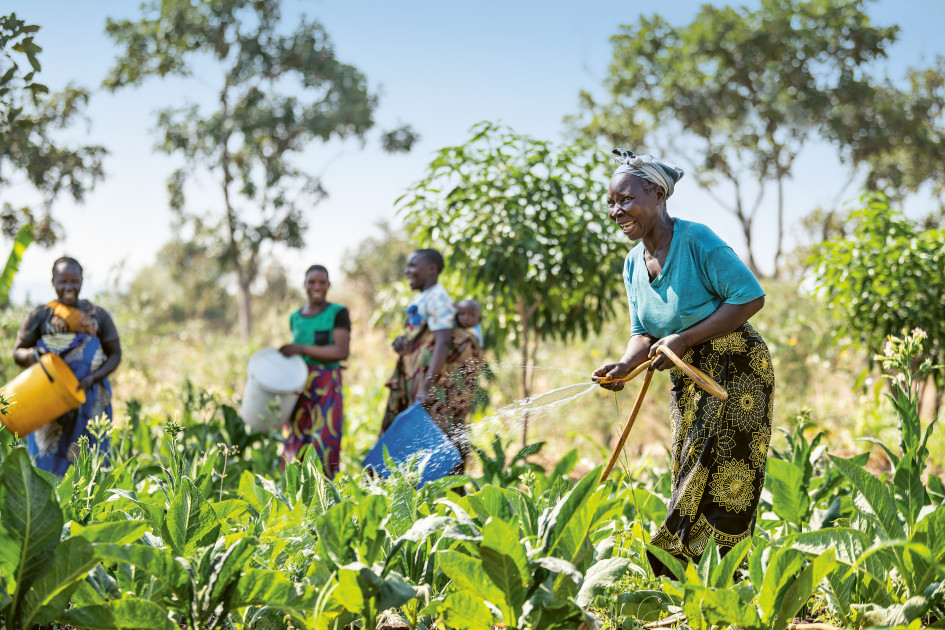
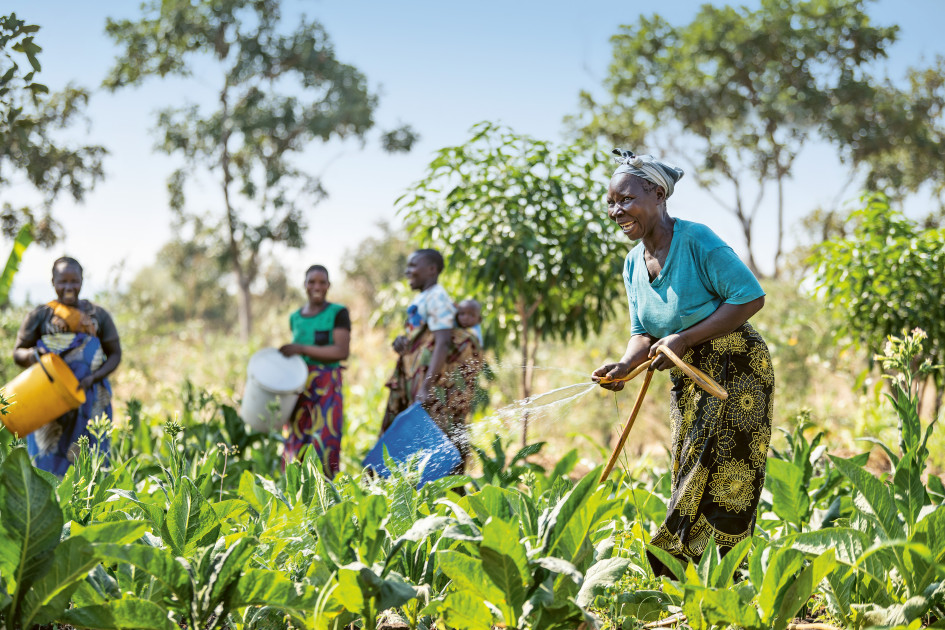
DAR ES SALAAM: THE country is rolling out a gender-focused food security framework backed by more than 600,000 US dollars (1.5bn/-) in funding, as policymakers seek to close productivity gaps in agriculture by expanding women’s participation across food systems.
The initiative, supported by the Food and Agriculture Organisation (FAO), introduces voluntary guidelines on gender equality and the empowerment of women and girls, aiming to improve agricultural productivity, nutrition outcomes and rural incomes.
The framework focuses on nine priority areas, including food security and nutrition, leadership and decision-making, access to land and productive resources, economic empowerment, education and skills development, social protection, unpaid care work, elimination of discrimination and violence and resilience during crises.
Officials say the approach is designed to address structural constraints that continue to limit efficiency in food systems, particularly unequal access to resources and decisionmaking.
“These guidelines are important because they cover the entire food system and the factors that influence food security and nutrition outcomes,” said Julius Sonoko, National Food Systems Specialist, speaking on behalf of FAO Representative Dr Nyabenyi Tipo.
He said increasing women’s participation in agriculture and food value chains is key to improving both productivity and household nutrition.
“Women play a significant role in food systems. Strengthening their participation supports better policy design and improves food security outcomes at scale,” he said.
Chief Community Development Officer Josiah Saoke said the framework is expected to help government institutions and development partners expand women’s access to economic opportunities in agriculture-linked sectors.
He noted that persistent cultural barriers and limited access to resources continue to restrict women’s contribution to economic growth in some communities.
“The government is expected to create an enabling environment where women can benefit from economic opportunities and fully participate in national development,” Mr Saoke said.
ALSO READ: When farmers lead, agroecology delivers food security and resilience
The guidelines will support integration of gender considerations into planning and implementation across food and agriculture programmes, including value chain development and rural enterprise support.
FAO National Gender Coordinator Jane Msagati said the initiative is being implemented at a time when Tanzania is intensifying efforts to strengthen food systems and improve nutrition security.
She said the programme, signed last July and running through next year, is expected to guide more efficient allocation of resources and strengthen institutional coordination in addressing gender gaps.